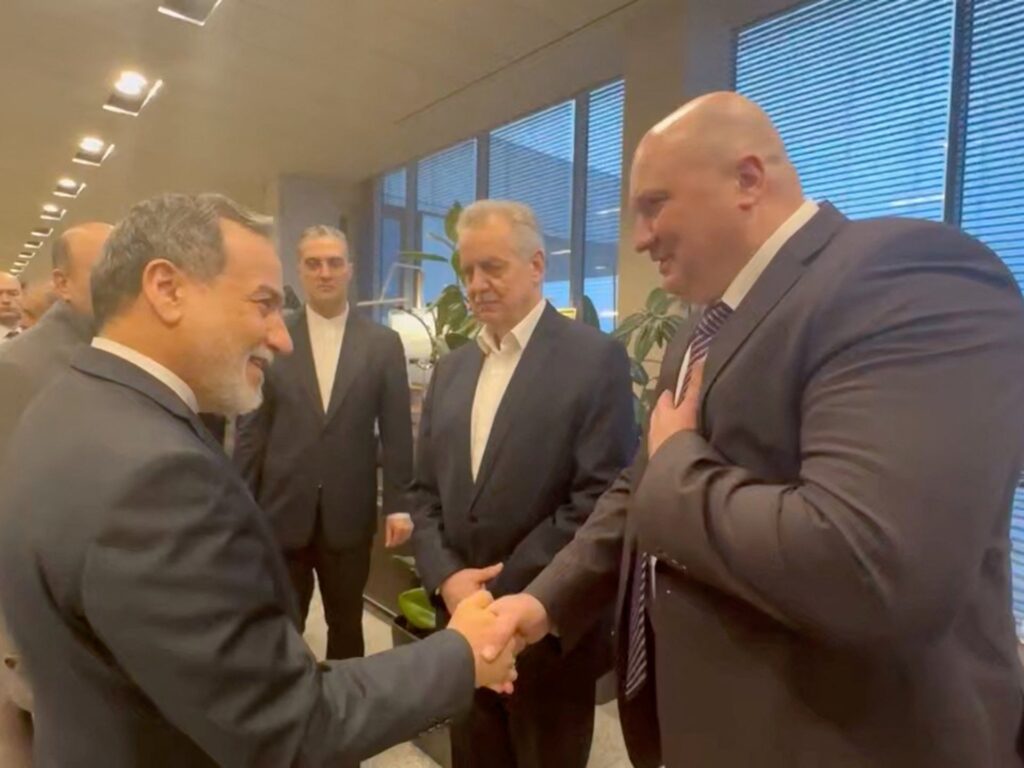
In a significant diplomatic move, Iran has dispatched its top diplomat to Russia as part of Tehran’s intensified efforts to bring an end to the ongoing conflict in the region. This strategic engagement comes amid heightened tensions surrounding the war, with Iran seeking to leverage Russia’s influence to mediate and forge a path toward de-escalation.
The war, which has drawn in multiple state actors and impacted regional stability, has escalated concerns internationally. Iran’s decision to engage Russia directly underscores its commitment to exploring diplomatic avenues to cease hostilities. Moscow, known for its pivotal role in Middle Eastern geopolitics, is viewed as a key player capable of influencing the course of events and facilitating negotiations.
Parallel to Iran’s diplomatic outreach to Russia, Pakistan and Oman remain actively involved in backchannel efforts aimed at preventing a full-scale open conflict involving the United States, Israel, and Iran. These countries have been quietly mediating and maintaining communication channels to avert an expansion of the war, which could have devastating consequences for regional and global security.
Pakistan’s geographical and political position makes it a critical mediator, and its involvement reflects a broader regional desire to maintain stability and avoid further escalation. Oman’s longstanding reputation as a neutral facilitator and its open diplomatic relations with all parties involved have positioned it as a vital player in these discreet negotiations.
The joint initiatives by these countries highlight a multifaceted diplomatic approach addressing the complex dynamics of the conflict. While Iran looks to Russia for high-level engagement, Pakistan and Oman continue leveraging their unique diplomatic relations to keep dialogue open between hostile parties.
Many international observers view these efforts as essential to curbing violence and fostering a climate conducive to peaceful resolution. The risk of a direct military confrontation between the US and Israel on one side and Iran on the other remains substantial, and the mediation efforts are crucial in managing this volatile situation.
Iran’s engagement with Russia may also be seen as part of a broader strategy to enhance its geopolitical alliances, diversify diplomatic relationships, and gain leverage in international negotiations. Russia’s influence in global affairs and its strategic partnership with Tehran could be instrumental in achieving a ceasefire or a negotiated settlement.
Meanwhile, Pakistan and Oman’s backchannel diplomacy serves to complement these efforts by addressing the concerns of all involved parties behind the scenes. This approach may help to build trust and reduce misunderstandings that could otherwise lead to an escalation.
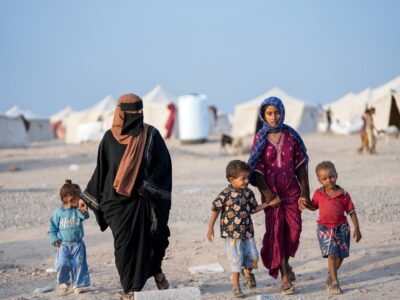
The onset of these diplomatic maneuvers comes at a time when the humanitarian costs of the war continue to mount, with civilians bearing the brunt of the conflict. The increased diplomatic activity is viewed as a hopeful sign that dialogue might yet prevail over continued military confrontation.
Despite the complexity and longstanding nature of the conflict, these concerted efforts demonstrate a shared regional and international recognition of the necessity to avoid further bloodshed. Both governmental and non-governmental actors are watching closely as these developments unfold, hopeful that the combined diplomatic pressures and dialogue may eventually lead to a sustainable peace.
As negotiations progress, the international community remains attentive, supporting efforts that promote stability and condemn any actions that could exacerbate the conflict. The role of external actors such as Russia, Pakistan, and Oman exemplifies the importance of inclusive diplomacy that engages all stakeholders in the pursuit of peace.
In summary, Iran’s high-level diplomatic mission to Russia, coupled with Pakistan and Oman’s covert mediation, signifies an important escalation in efforts to resolve the war peacefully. These developments underscore the intricate and multifaceted nature of international diplomacy in managing regional conflicts and preventing broader war.