As recent ceasefires in Iran and Lebanon bring a momentary lull in regional conflicts, the focus inevitably shifts back to Gaza, where the situation remains intensely precarious. With hostilities temporarily subdued in neighboring arenas, Gaza stands at a critical crossroads, straining under the deadlock over Hamas’s armaments and the future governance of the territory.
The recent regional de-escalation signals potential for broader peace initiatives, but in Gaza, the challenges are deeply entrenched. The ceasefire agreements with Iran and Lebanon, while significant, only partially address the larger dynamics of conflict in the Middle East.
Gaza’s complex political and military landscape is dominated by Hamas, an organization classified by many as a terrorist entity but also functioning as the de facto government in the strip. The issue of disarmament and control over armed factions remains a central obstacle to sustainable peace. Efforts to broker lasting ceasefires have frequently been undermined by the proliferation of weapons within Gaza and the inability to fully enforce terms on militant factions.
Future governance is another contentious issue that casts a significant shadow over the prospects of a true truce. The Palestinian territories remain deeply divided politically, with Hamas controlling Gaza and the Palestinian Authority governing parts of the West Bank. This division complicates international efforts to facilitate a unified approach toward peace and security.
International actors continue to push for renewed negotiations, emphasizing humanitarian relief and reconstruction in Gaza as prerequisites for longer-term stability. Yet, the deep-rooted mistrust between factions, coupled with external pressures from regional players, complicate these diplomatic efforts.
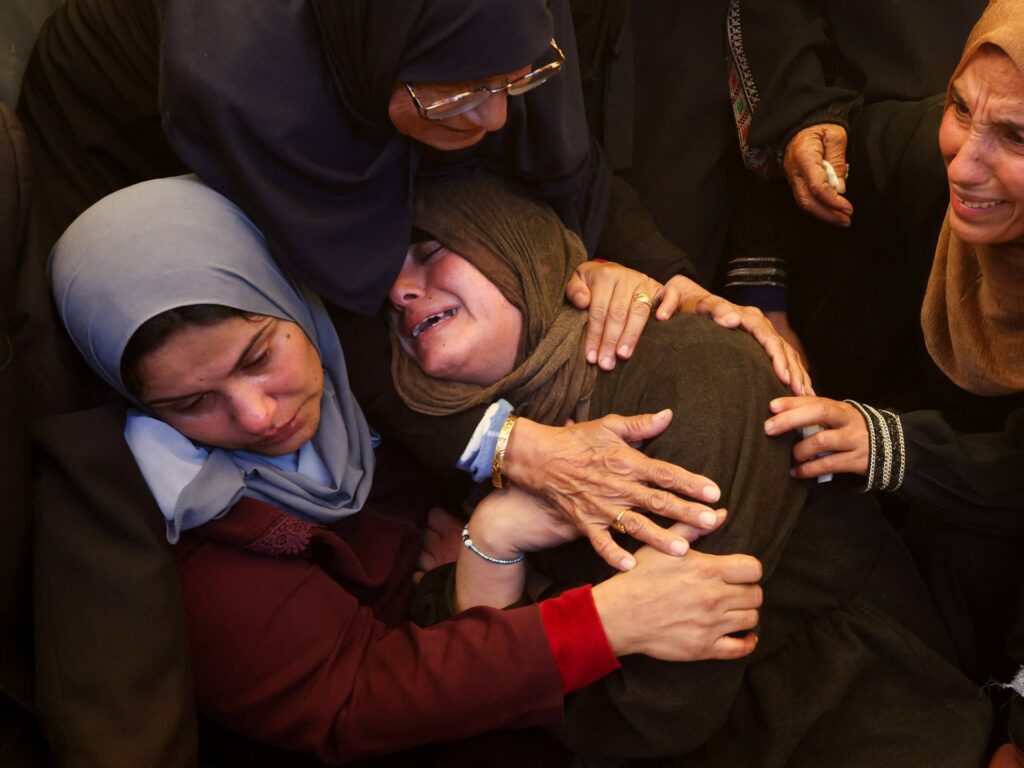
Moreover, the people of Gaza face immense hardships from years of blockade, economic stagnation, and recurrent violence. The humanitarian toll weighs heavily on any political discussion, underscoring the urgent need for tangible improvements in living conditions.
Analysts suggest that the ceasefires in Iran and Lebanon could open a window of opportunity for dialogue addressing Gaza’s challenges. However, without addressing the underlying issues of weaponization and governance, any truce risks being superficial and temporary.
In conclusion, while the regional ceasefires mark a hopeful step toward reducing hostilities in the Middle East, Gaza remains a volatile flashpoint. The future hinges on complex negotiations involving disarmament, political reconciliation, and addressing humanitarian crises. Without progress on these fronts, the stability fostered by ceasefires in neighboring countries may indeed be short-lived, leaving Gaza in a state of fragile tension once again.