Israel has significantly escalated its military operations in the Gaza Strip, marking a pivotal shift in the ongoing conflict with Palestinian militants. This intensification comes amid complex regional and international dynamics, including the sidelining of a new US-backed technocratic administration in Gaza.
The recent surge in Israeli strikes is driven by several factors. Security concerns have intensified following increased rocket attacks emanating from Gaza, posing a direct threat to Israeli civilians and infrastructure. Israel’s government, facing pressure to demonstrate strength, has launched expanded aerial bombardments and ground incursions aimed at dismantling militant capabilities.
This escalation has led to an expanded control footprint for Israel within Gaza, moving beyond targeted raids to more comprehensive operations. The Israeli military’s objectives include degrading the operational capacity of militant groups, preventing future attacks, and asserting dominance within the contested region.
The situation has been further complicated by political shifts within Gaza. The US-supported technocratic government, recently installed to promote stability and governance reforms, has found its authority undermined by both militant factions and the ongoing conflict. Israel’s operations effectively sideline this new administration, limiting its ability to govern and contribute to peace efforts.
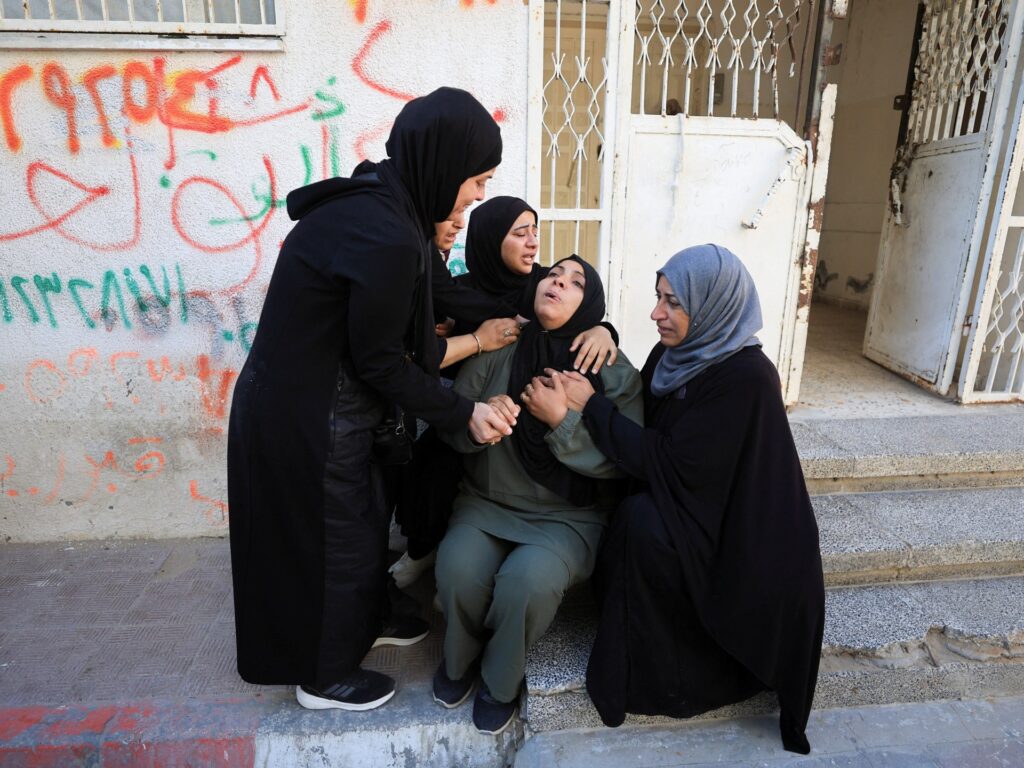
Humanitarian concerns are mounting as the conflict intensifies. Civilian casualties and infrastructure damage have risen sharply, exacerbating an already dire humanitarian situation in Gaza. International organizations call for restraint and renewed dialogue to prevent further loss of life and ensure access to essential services.
The regional implications are significant. Neighboring countries and international powers watch closely, wary of the conflict spreading or triggering broader instability. Diplomatic efforts continue behind the scenes, but tangible progress remains elusive amid the heightened state of war.
In summary, Israel’s escalation in Gaza reflects a combination of security imperatives, political calculations, and regional dynamics. The sidelining of the US-backed technocratic administration adds another layer of complexity, complicating prospects for a peaceful resolution. As violence intensifies, the humanitarian toll underscores the urgent need for comprehensive engagement and conflict de-escalation.