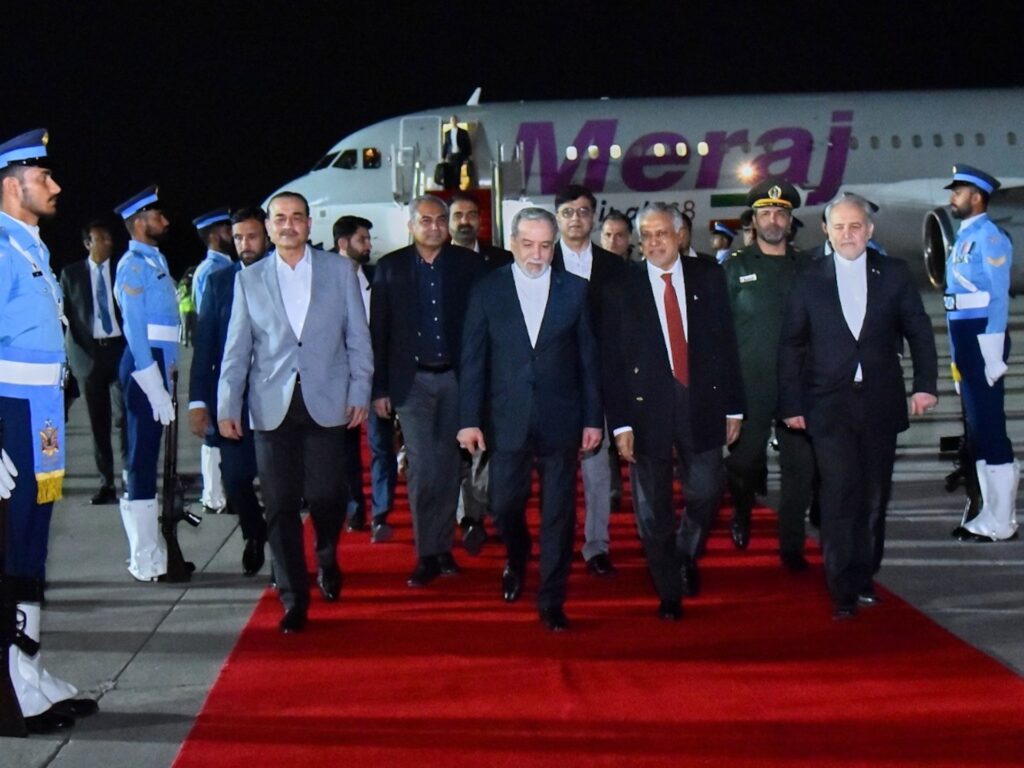
Tensions in the Middle East continue to escalate as developments unfold in Iran and Lebanon. Ali Bagheri Kani’s deputy, Abbas Araghchi, has been reported holding critical meetings in Islamabad, Pakistan. These discussions are believed to be part of diplomatic efforts to navigate the complex regional situation, including the ongoing conflict involving Iran.
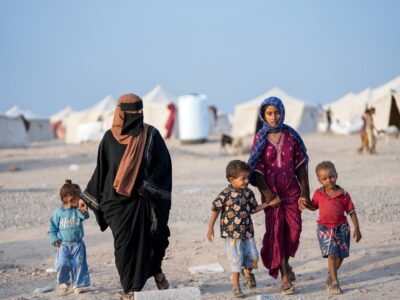
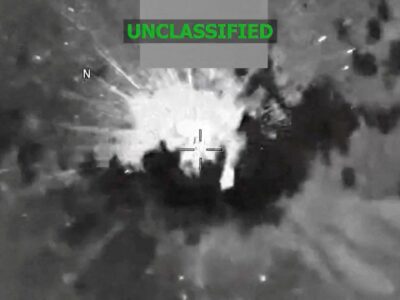
Meanwhile, the volatile situation in southern Lebanon has taken a grim turn as Israeli military actions persist. Recent air and ground attacks have severely affected towns near the border. The latest reported incident in the town of Yahmor al-Shaqif tragically resulted in the deaths of at least four civilians, highlighting the severe human cost of the conflict.
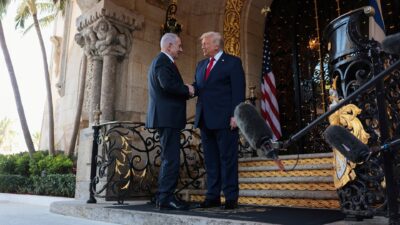
Simultaneously, United States envoys are en route to the region in an effort to mediate and possibly de-escalate the tension. The arrival of these diplomats signals the increasing international concern regarding the outbreak of violence and the potential for a wider conflict.
Israel’s continued military operations in southern Lebanon are reportedly aimed at targeting armed groups suspected of launching attacks into Israeli territory. However, civilian casualties and destruction of infrastructure have raised humanitarian concerns and drawn international criticism from various quarters.
The geopolitical landscape in the Middle East remains extremely fragile, with multiple actors involved in a complex web of alliances and rivalries. Pakistan’s role as a venue for dialogue underscores the global attempt to find a diplomatic resolution to rising hostilities.
Araghchi’s meetings with Pakistani officials likely focus on regional security, the Iran nuclear issue, and strategies to prevent further escalation. These discussions come at a time when diplomatic channels are crucial to avoid a full-scale war that could destabilize the region even further.
The international community has called for restraint from all parties involved. The United Nations and other organizations are monitoring the situation closely and have urged for adherence to international law, particularly concerning the protection of civilians.
The next few days will be critical in determining whether diplomatic efforts can ease the tensions or if the conflict will spiral into broader confrontation. For now, the hope rests on the shoulders of diplomats like Araghchi and the incoming US envoys, whose negotiations may prove pivotal in shaping the future of the region.