In a severe escalation of the ongoing conflict, Russia launched a massive overnight assault on Ukraine, resulting in five fatalities and injuring thirty people. Authorities in Ukraine confirmed that more than 600 drones and 47 missiles were deployed, targeting eight different regions, including strategic areas in Dnipro.
This large-scale offensive signifies one of the deadliest attacks in recent weeks, with the use of both drones and missiles demonstrating a multifaceted approach to warfare. The targeted regions span a broad geographical area, indicating Russia’s capability to hit multiple key locations simultaneously.
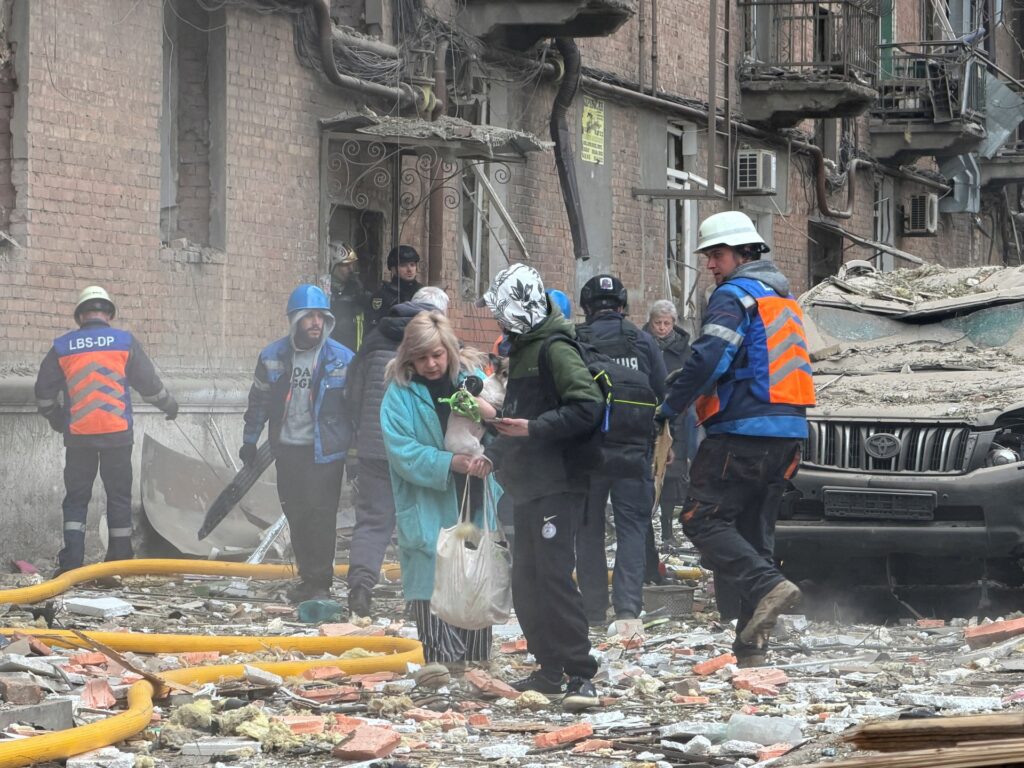
The city of Dnipro, a crucial industrial and transportation hub in Ukraine, bore the brunt of the attacks. Officials revealed that the missile strikes and drone assaults resulted in widespread damage to infrastructure and residential buildings, contributing to the rising casualty numbers.
Emergency response teams were quickly mobilized to assist the injured and manage the aftermath of the attacks. Hospitals in the affected areas are operating at full capacity, with medical staff working tirelessly to provide urgent care.
The Ukrainian government condemned the attacks as brutal and unjustified, calling on the international community to increase support for Ukraine’s defense efforts. This barrage of attacks underscores the persistent threat posed by Russia and the ongoing volatility in the region.
International reactions have varied, with many nations expressing deep concern and urging for renewed diplomatic efforts to de-escalate tensions. Humanitarian organizations have also stepped up aid to assist the affected populations, focusing on medical assistance and shelter for those displaced by the conflict.
The use of drones in such high numbers highlights a shift in warfare tactics, showcasing how modern conflicts increasingly integrate unmanned aerial vehicles to complement traditional missile strikes. Experts warn that this tactic not only increases the efficiency of attacks but also complicates defense strategies.
Despite the casualties and destruction, Ukrainian forces have pledged to continue resisting the aggression, emphasizing resilience and determination in defending their sovereignty. The government is calling for unity among its citizens and allies to withstand the continued onslaught.
This latest attack is part of a broader pattern of intensified military activity in the region, with ongoing clashes and bombings leading to significant human suffering and instability. The situation remains fluid as both sides prepare for possible further engagements in the coming days.
Citizens in the affected regions are urged to stay vigilant and adhere to safety protocols announced by local authorities. Shelters have been opened, and emergency services are on high alert to respond to any new incidents.
In conclusion, the overnight Russian attacks have inflicted substantial human and material costs on Ukraine, highlighting the severe consequences of the ongoing conflict. The international community continues to watch closely as developments unfold, hoping for a de-escalation and eventual resolution to the crisis.