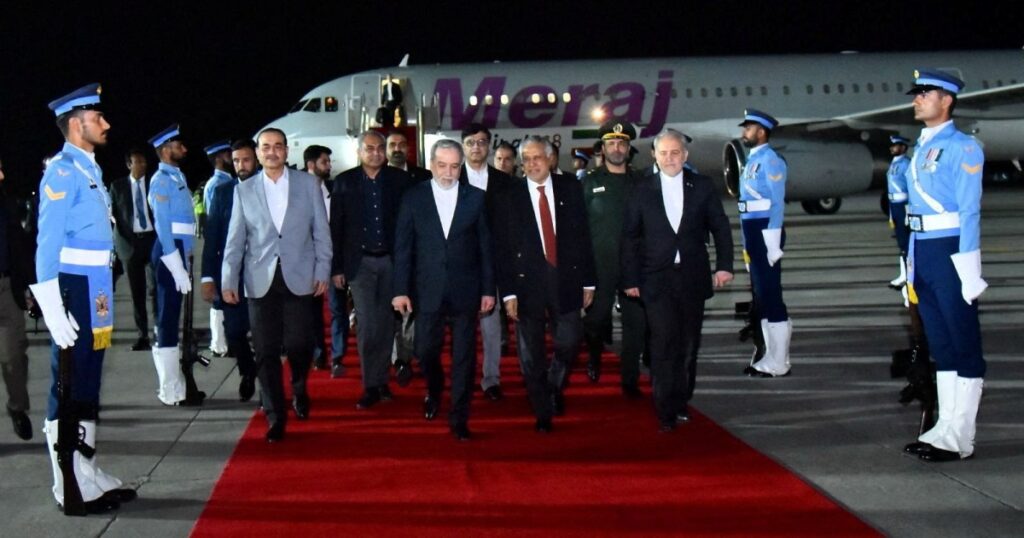
On the 57th day of escalating tensions in the Iran conflict, significant diplomatic movements are underway aiming to de-escalate the situation. The United States has dispatched a negotiating team to South Asia, signaling a potential shift towards dialogue. Key US envoys, Steve Witkoff and Jared Kushner, have been sent to Pakistan, a strategic hub for discussions regarding Iran. Their mission is to engage with Pakistani officials, leveraging Islamabad’s influence as a regional mediator. This diplomatic outreach comes as Iranian Foreign Minister Abbas Araghchi arrived in Islamabad, reinforcing Pakistan’s role as a critical meeting point for talks. Araghchi’s visit is seen as a direct attempt by Iran to pursue dialogue and explore peaceful resolutions amidst ongoing hostilities. The arrival of both US envoys and the Iranian foreign minister in Pakistan indicates a parallel diplomatic effort, underscoring the urgency to find a path to peace. This development marks a noteworthy moment in the conflict, as it contrasts with the previous escalation and hardline stances from both sides. Analysts suggest that Pakistan’s unique position and diplomatic ties with both Iran and the United States might help bridge differences. The presence of high-level envoys from Washington, alongside Iran’s foreign minister, gives hope for negotiations to address contentious issues such as nuclear program oversight, regional security, and economic sanctions. Meanwhile, the conflict has continued to impact regional stability, with reports of sporadic clashes and heightened military alertness. Civilians remain deeply affected, facing displacement and disruptions to daily life amid uncertainty. International communities closely watch these diplomatic developments, eager for breakthroughs that could halt hostilities and promote stability in the volatile region. The dispatch of negotiating teams and reciprocal visits are vital precedents that may redefine diplomatic strategies in the Middle East. Both Iran and the US face immense pressure domestically and internationally to curb violence and return to constructive dialogue. As talks unfold in Islamabad, the world remains cautiously optimistic about the potential for conflict resolution. Observers emphasize the importance of sustained diplomatic engagement and the willingness of all parties to compromise. The 57th day of the Iran conflict is thus marked by a delicate balance between ongoing tensions on the ground and emerging diplomatic efforts. These developments underscore the complexity of the crisis and the critical role of international mediation. The outcomes of negotiations in Pakistan could shape the trajectory of regional politics and security for months to come. Continued monitoring and support from global powers will be essential to facilitate meaningful progress. This phase of the conflict reflects a broader recognition that military solutions alone will not suffice. With key players convening in Islamabad, there is renewed hope for a peaceful resolution that respects sovereignty and addresses mutual concerns. The diplomatic activity on day 57 highlights the intricate interplay of geopolitics, regional alliances, and international diplomacy in addressing the Iran crisis.