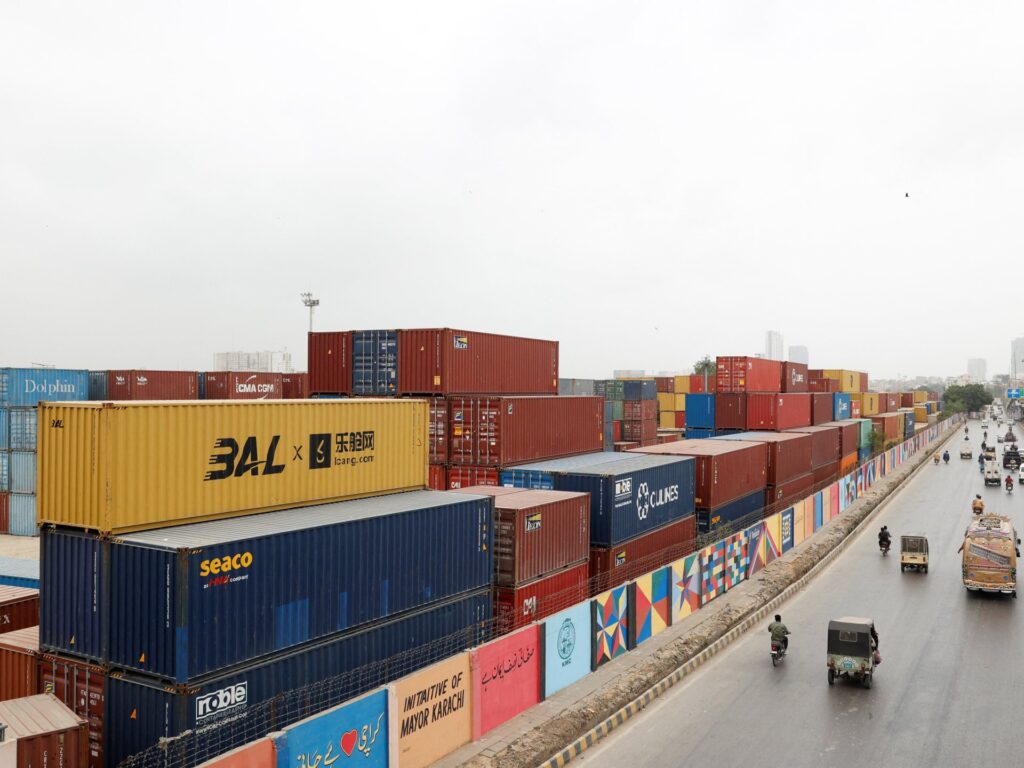
Amid mounting logistical challenges, Iran is actively seeking to establish alternative land transit routes to alleviate the problem of approximately 3,000 containers stranded in Pakistan. Documents reviewed by Al Jazeera reveal Iran’s strategic efforts to reroute shipments through overland pathways in response to the restrictions imposed by the US blockade on sea cargo transport.
The blockade has significantly disrupted traditional maritime shipping channels, particularly impacting countries like Iran and Pakistan, which rely heavily on sea routes for trade and goods movement. With thousands of containers left immobile in Pakistani ports, the economic and supply chain implications have worsened over recent months.
Iran’s initiative involves diversifying and expanding its logistic network by exploring viable land corridors that can bypass the constrained maritime routes affected by sanctions and blockades. This approach aims not only to ease the immediate congestion of sea freight but also to provide a long-term solution for uninterrupted cargo transit.
The documents suggest that Iranian officials are in talks with their Pakistani counterparts and potentially other regional neighbors to facilitate smoother customs and transit protocols. This collaboration is focused on creating seamless land transport pathways that can handle the current backlog and prevent future disruptions.
Experts observe that this move could strengthen regional connectivity and trade relationships, offering Iran and Pakistan an opportunity to enhance their economic cooperation in a geopolitically sensitive environment. It may also redefine trade patterns, emphasizing greater reliance on land infrastructure such as railways and road networks.
The 3,000 containers stuck hold various goods essential for businesses and consumers, highlighting the urgency for swift action. Efficient clearance and movement of these shipments are critical to mitigating economic losses, ensuring supply chain resilience, and sustaining trade flows.
In addition to bilateral discussions, Iran is expected to leverage existing regional economic agreements and multilateral frameworks to support the new land transit initiatives. The successful implementation of these routes could diminish Iran’s vulnerability to maritime sanctions and encourage other nations facing similar transportation hurdles to adopt comparable strategies.
However, challenges remain in terms of infrastructure capacity, border management, and political will among the involved countries. Coordinating across multiple jurisdictions requires addressing technical, legal, and security considerations to ensure cargo movement is safe, efficient, and compliant with international regulations.
The US blockade, part of broader sanctions targeting Iran’s economic activities, has pushed Tehran to innovate its logistics approaches. By investing in alternative transit corridors, Iran aims to maintain trade fluidity despite external pressures.
This development signals a shift in regional trade dynamics, underscoring the importance of overland routes for countries impacted by maritime restrictions. As Iran explores and potentially implements these land-based transit pathways, observers will watch closely how this initiative influences regional trade resilience and geopolitical alignments.
In summary, with 3,000 containers stranded in Pakistan due to the ongoing US blockade impacting maritime freight, Iran’s pursuit of additional land routes reflects a pragmatic response to logistical challenges. This strategy could reshape regional transportation frameworks, bolster economic ties, and provide a blueprint for navigating trade obstacles amid geopolitical tensions.