The strategic Strait of Hormuz, a critical chokepoint for global oil transportation, has been a focal point of geopolitical tension, especially between Iran and the United States. The prospect of a US-imposed blockade has raised pressing questions about the sustainability and endurance of both nations in such a high-stakes standoff.
Iran’s ability to survive a US blockade of the Strait hinges on several factors including its military resilience, economic adaptability, and diplomatic alliances. Economically, Iran is heavily reliant on oil exports, many of which transit through the Hormuz Strait. A blockade could severely curtail Iran’s revenue, putting substantial strain on its economy.
Despite sanctions and economic hardships, Iran has developed alternative channels to export oil, such as pipelines bypassing the Strait and increased trade with neighbors and non-Western countries. This diversification, although limited, could provide Iran some buffer to withstand a blockade for a period potentially ranging from several months to over a year depending on the blockade’s strictness and global political responses.
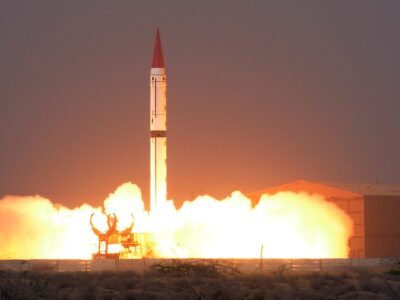
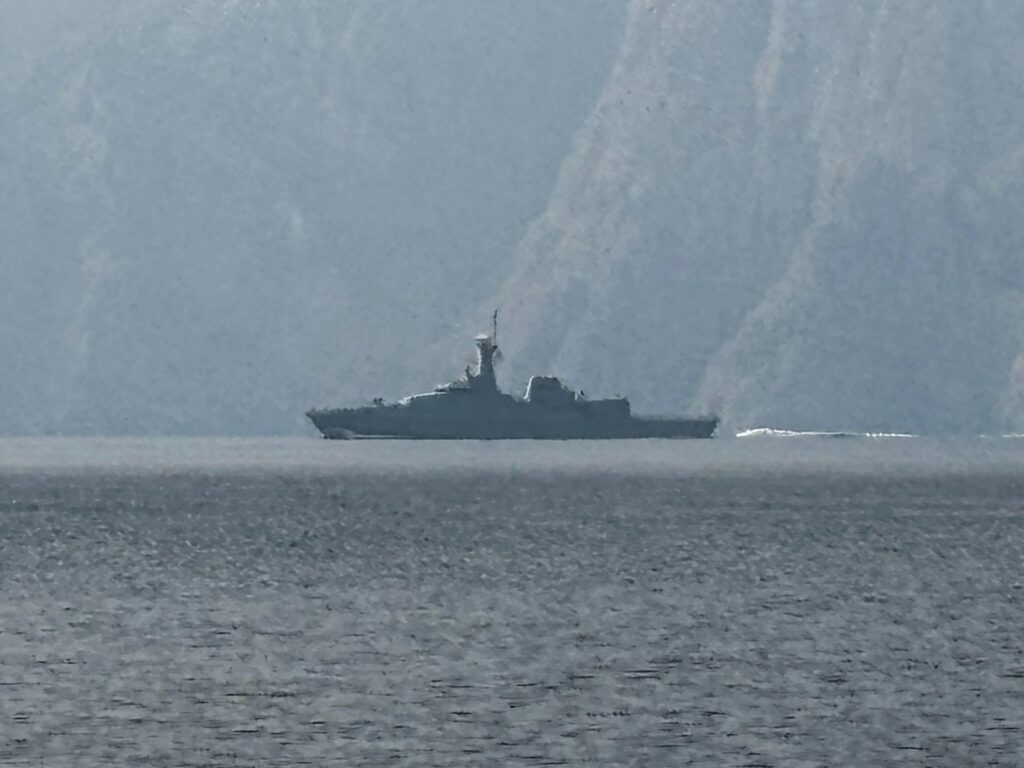
Militarily, Iran possesses asymmetric capabilities designed to challenge US naval dominance in the region. This includes a fleet of small fast-attack boats, anti-ship missiles, and mines. Iran’s strategy revolves around making the Strait’s navigation perilous and costly, possibly deterring a prolonged US blockade.
Conversely, the US, with its superior naval power and international diplomatic leverage, can maintain a blockade to disrupt Iran’s oil exports. However, the US must also consider its own vulnerabilities. The Strait of Hormuz is a critical oil transit route for global markets, including US allies, meaning that a blockade could provoke economic backlash internationally.
Moreover, sustaining a blockade could require significant military resources and long-term commitment amidst other strategic priorities. The US navy could potentially hold the blockade for an extended period, but the cost in terms of political capital, military deployment, and potential escalation risks remains substantial.
In conclusion, Iran could likely endure a US blockade for several months by leveraging alternative oil routes and asymmetric military tactics, but prolonged economic strain is inevitable. The US can maintain the blockade operationally for a longer time due to superior military capabilities, but it faces significant risks of regional escalation and global economic disruption. Both countries’ endurance will ultimately depend on broader geopolitical dynamics, alliances, and domestic pressures beyond just military and economic calculations.