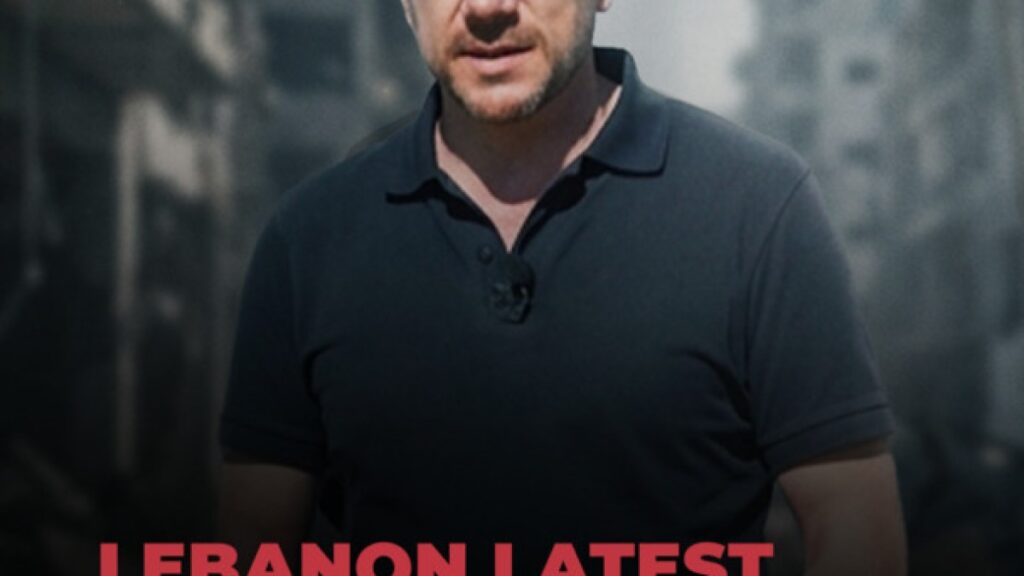
A fragile ceasefire in Lebanon is currently holding, but recent events have escalated tensions in the region. Israeli strikes have resulted in the tragic death of a journalist, raising serious concerns about the targeting of media personnel in conflict zones. Moreover, these attacks have reportedly targeted first responders, further complicating efforts to provide emergency aid and rescue services in affected areas.
The conflict between Israel and groups in Lebanon is long-standing and complex, with periodic escalations causing significant humanitarian impact. The death of the journalist highlights the risks faced by media workers reporting from dangerous environments, as well as the broader issue of civilian safety during military operations.
First responders, including medical teams and rescue workers, play a critical role in conflict zones, often putting their own lives at risk to save others. The reported targeting of such personnel during the latest strikes has raised alarm among international observers and human rights organizations, who emphasize the need to protect these individuals under international law.
This recent violence threatens the fragile ceasefire that had brought a glimmer of hope for de-escalation in the volatile region. The ceasefire, though not fully stable, had allowed for a brief reduction in hostilities and opened channels for humanitarian assistance to reach those in need.
International reactions to the attacks have included calls for restraint and adherence to ceasefire agreements. Various governments and organizations have condemned the killing of the journalist and the endangerment of first responders, urging all parties to respect international humanitarian law.
The situation remains fluid, with the potential for further violence if diplomatic efforts falter. Locals in Lebanon continue to face the harsh realities of conflict, including displacement, insecurity, and limited access to essential services.
Humanitarian groups are calling for immediate measures to safeguard civilians and essential personnel, reiterating the importance of protecting journalists and first responders in conflict zones. They stress the critical role of these individuals in documenting events and saving lives, respectively.
The death of the journalist is expected to prompt investigations by international bodies to ensure accountability and prevent future incidents. Meanwhile, first responders remain on high alert, prepared to provide aid despite the inherent dangers.
This episode underscores the urgent need for renewed diplomatic efforts to solidify the ceasefire and push towards sustained peace in Lebanon and the region. Without such efforts, the cycle of violence and tragedy is likely to continue, with devastating consequences for all involved.
As the situation develops, close monitoring by international actors will be essential to facilitate dialogue, protect humanitarian operations, and support civilians caught in the crossfire. The global community watches closely, hoping for an end to the conflict and respect for human life and dignity in Lebanon.