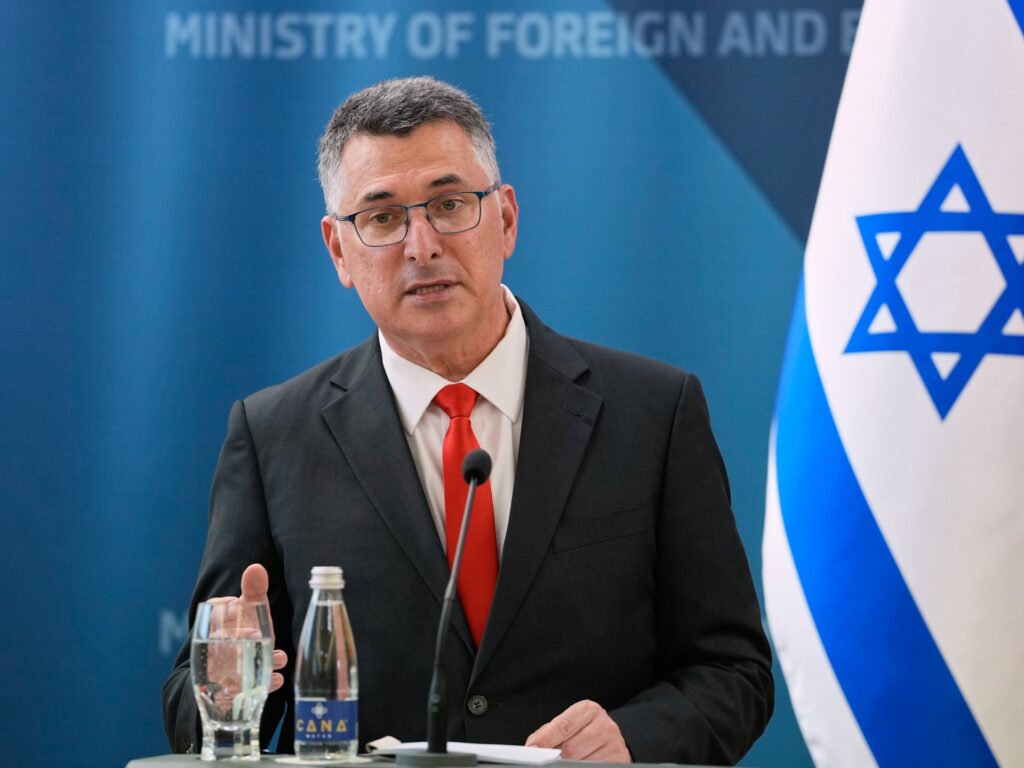
In a significant diplomatic move, the Colombian government has announced the opening of its embassy in Jerusalem, marking a new chapter in Colombia-Israel relations. Israeli Foreign Minister confirmed the decision, highlighting the intention to strengthen bilateral ties. This development follows promises made by Colombian President Abelardo De la Espriella during his presidential campaign, where he pledged closer ties with Israel.
President De la Espriella’s campaign emphasized the importance of international alliances and sought to enhance Colombia’s global presence. Jerusalem, as a city with profound historical and political significance, represents a strategic choice for Colombia’s diplomatic mission.
The decision to establish an embassy in Jerusalem aligns Colombia with a handful of countries recognizing the city as Israel’s capital, a move that often sparks controversy given the city’s contested status in the Israeli-Palestinian conflict. This act illustrates Colombia’s commitment to deepening strategic cooperation with Israel despite potential regional and international diplomatic repercussions.
Diplomatic missions serve as vital channels for promoting political, economic, and cultural exchanges. For Colombia, opening an embassy in Jerusalem is expected to promote trade, innovation collaboration, and tourism ties, tapping into Israel’s advanced technology sector and Colombia’s emerging market.
Officials from both countries expressed optimism about the future of their partnership. Israeli Foreign Minister noted that this step underscores Israel’s growing global acceptance and the relevance of Latin America as a key region for diplomatic engagement.
While the announcement has been met with enthusiasm by supporters of closer Colombia-Israel relations, it also raises questions regarding the impact on Colombia’s relations with Arab nations and the broader international community, many of whom maintain embassies in Tel Aviv to reflect a neutral stance on Jerusalem’s status.
Experts suggest that Colombia’s move could encourage other countries in the region to reconsider their diplomatic stances, possibly reshaping geopolitical alignments in Latin America and beyond.
The Colombian presidency has yet to outline specific timelines for the embassy’s opening, but diplomatic sources suggest preparations are underway to expedite the process.
This diplomatic initiative aligns with Colombia’s broader foreign policy goals of fostering diversified international partnerships and leveraging strategic geopolitical opportunities.
Overall, the establishment of the Colombian embassy in Jerusalem signifies a notable evolution in Colombia-Israel relations, positioning both nations to explore enhanced cooperation across multiple sectors amid a complex geopolitical landscape.