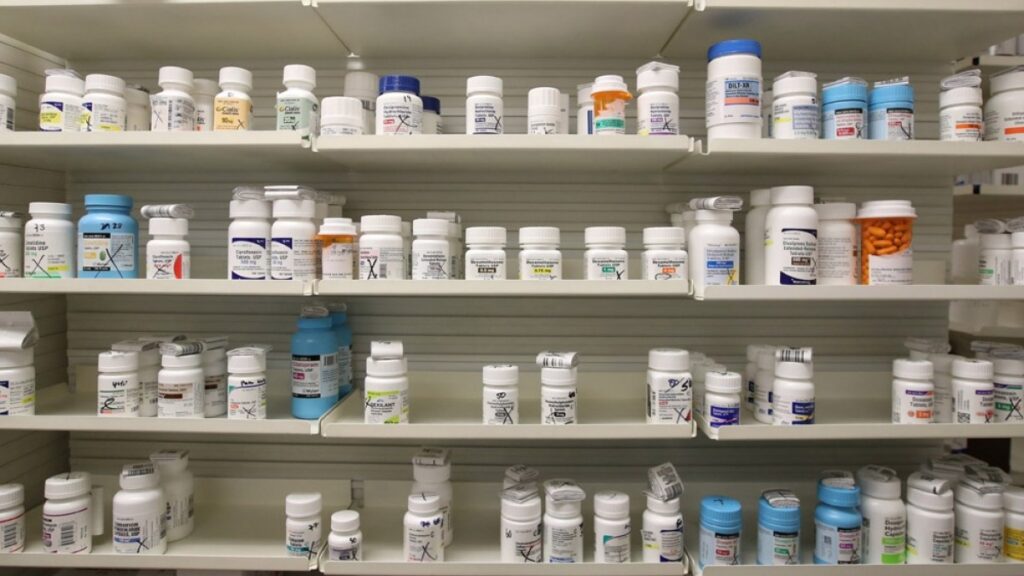
The ongoing conflict involving Iran has led to a significant global increase in the cost of essential medical supplies, including painkillers and condoms. Pharmacists in several countries report that the price of painkillers has more than quadrupled since the war began, severely affecting accessibility for many patients.
This price surge can be attributed to disruptions in the supply chain caused by sanctions, transportation blockades, and increased demand for certain pharmaceutical components sourced from or through Iran. The conflict has also caused delays in shipments and raised the risk premium for importing drugs, driving costs higher.
Medicines such as analgesics, antibiotics, and condoms have seen notable price hikes, impacting vulnerable populations the most. Health professionals warn that the rising prices might result in reduced use of essential medications and preventive products, jeopardizing public health worldwide.
In many developing countries, pharmacists express concerns that these price increases could lead to shortages if customers are unable to afford increased costs. The global public health community is urging international bodies to address these challenges through coordinated efforts, such as negotiating exemptions for medical supplies from sanctions and facilitating safer trade routes.
Furthermore, the strain on the pharmaceutical supply chain underscores the fragility of the current global health infrastructure and highlights the interconnectedness of geopolitical conflicts and healthcare costs.
Efforts to mitigate the impact include local manufacturing of generic medicines, increased subsidies by governments, and humanitarian aid programs focused on affordable medicine distribution. However, these solutions face their own challenges such as limited capacity and funding.
As the situation evolves, continuous monitoring of drug prices and supply levels is essential to prevent a broader health crisis. Advocacy groups call for greater transparency in pricing and procurement processes to ensure equitable access to medicines and preventive products worldwide.
In conclusion, the Iran war has not only caused regional instability but has also triggered global ramifications, notably in the soaring costs of essential medicines and condoms. Addressing these challenges will require a coordinated international response that prioritizes humanitarian needs over political conflicts.