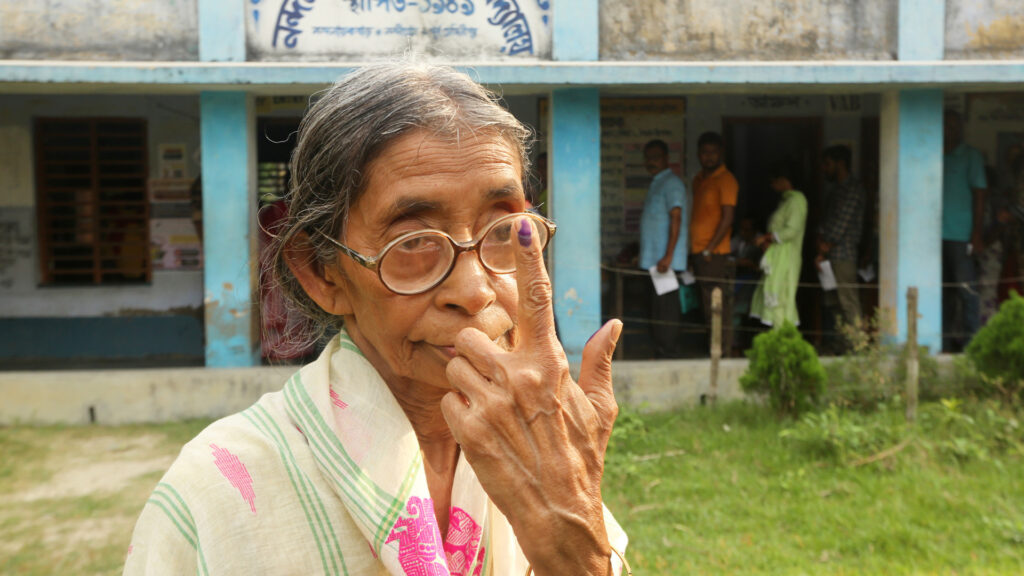
Millions of residents in West Bengal, India, are participating in a crucial state election that has garnered significant attention, not only for its political stakes but also for controversies surrounding voter eligibility. Central to the issue is the claim by many Indian Muslim voters that they have been systematically excluded from the electoral process. This allegation stems from recent reports revealing that over 9 million names have been deleted from the voter rolls ahead of the election, sparking fears of disenfranchisement and political marginalization within the Muslim community.
West Bengal, a state with a diverse population, including a substantial Muslim minority, is witnessing one of its most closely contested elections. The significant reduction in the number of registered voters, primarily affecting Muslim citizens, has raised alarms among advocacy groups, political leaders, and international observers. Many affected voters argue that their removal from the electoral rolls undermines their fundamental democratic rights and questions the fairness of the election.
The process leading to the deletion of names from the voter lists has been criticized for lack of transparency and clear communication. Critics point out that many of those removed were not given adequate notice or opportunity to contest the decision. According to affected voters, the verification exercises—which are intended to ensure electoral integrity—have disproportionately targeted Muslim populations, leading to claims of systemic bias and discrimination.
Political analysts suggest that such disenfranchisement could have significant implications for the election results. The Muslim vote has traditionally played a key role in shaping the political landscape of West Bengal. The exclusion of millions of these voters could sway outcomes in favor of certain parties, raising concerns about electoral manipulation.
Authorities overseeing the election defend the voter list revisions as part of routine updating and verification to prevent fraud and maintain the integrity of the electoral process. They assert that the deletions were based on legitimate criteria such as duplicate registrations, deaths, and migration. However, the overwhelming number of names removed and the demographic profile of those affected have contributed to widespread suspicion and unrest.
The issue has prompted calls for immediate investigation and legal scrutiny. Human rights organizations are urging the government and election commission to ensure that all eligible voters are reinstated before the polls to uphold democratic principles. They emphasize the importance of an inclusive voting process that respects the rights of all citizens, regardless of their religious or ethnic background.
Community leaders and activists have mobilized to raise awareness and assist those excluded in navigating the reinstatement process. Public demonstrations and petitions have been organized to demand transparency and accountability from electoral authorities. The situation in West Bengal is now under close observation by national and international entities concerned about the health of democracy in the region.
This controversy surrounding voter exclusions in West Bengal highlights broader challenges faced by minority communities in electoral politics across India. It underscores the necessity for robust protections against disenfranchisement and the vital role of impartial institutions in administering free and fair elections.
As the election unfolds, the eyes of the nation and the world remain fixed on West Bengal, awaiting the outcome of a process marred by tensions over voter rights. The resolution of this issue will be critical not just for the immediate political future of the state but also for setting precedents on minority participation in India’s democratic fabric.