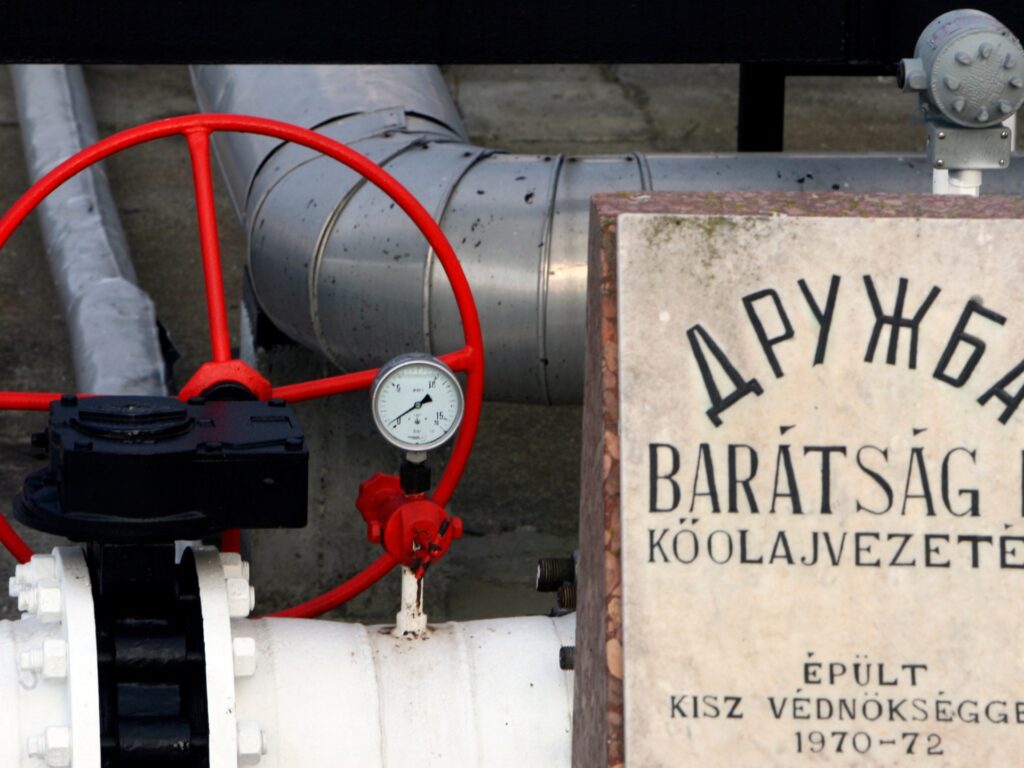
In a pivotal development amidst ongoing geopolitical tensions, Ukraine has resumed the delivery of Russian oil to Europe. This significant move has facilitated the lifting of Hungary’s veto, thereby enabling the European Union’s 27 member states to collectively advance towards the formal approval of a substantial financial loan worth €90 billion.
The resumption of these oil shipments marks a critical juncture in the EU’s economic and political landscape. Hungary, which had earlier blocked the loan as a response to various concerns including energy supply assurances and financial governance, announced its decision to end the veto following Ukraine’s recommencement of oil deliveries. This breakthrough underscores the intricate balance of energy dependency and political negotiations within the region.
Ukraine’s decision to restart oil flows is seen as a strategic gesture of cooperation with the EU, aimed at strengthening ties and fostering mutual economic resilience. The oil in question originates from Russia, a key global oil supplier, but it had been halted earlier in conflict-related disruptions, impacting energy markets and the broader European economy.
The unblocking of the €90 billion loan is poised to inject substantial financial resources into the EU, facilitating recovery efforts and bolstering economic stability across member states. This financial support is crucial for addressing various challenges faced by the union, including inflation, energy supply volatility, and the aftermath of geopolitical conflicts.
Energy security has been a pressing issue for Europe, especially given the complex dynamics involving Russian oil and gas supplies. The EU has been actively seeking diversified energy sources to reduce dependency on Russian hydrocarbons, yet this development highlights the nuanced reality that some flows continue under negotiated terms, reflecting the pragmatic aspects of international diplomacy and economic necessity.
Hungary’s role as a decisive member in lifting the veto reveals the internal negotiations within the EU, where individual countries leverage their positions to influence broad policy decisions. Their demand for assurances on energy access and economic safeguards was met through the resumed oil deliveries, showcasing the interplay between national interests and collective EU policies.
This event is expected to encourage greater unity among EU members, demonstrating their ability to resolve differences through dialogue and compromise. The formal approval of the loan package will enable accelerated funding for infrastructure, green energy projects, and social programs, aiming to enhance the union’s long-term strategic goals.
Analysts observe that Ukraine’s cooperation in this matter may also impact its geopolitical standing, potentially fostering closer integration with European structures and strengthening its position amid regional conflicts. It signals a willingness to engage constructively with EU mechanisms and highlights the interconnected nature of energy, politics, and economic diplomacy.
In summary, the restart of Russian oil deliveries by Ukraine has been a catalyst in unlocking a crucial €90 billion EU loan, demonstrating the intertwined relationships of energy supply, political negotiations, and economic recovery within Europe. This development not only resolves an immediate impasse but also sets the stage for enhanced collaboration and resilience among EU member states against a backdrop of ongoing global challenges.