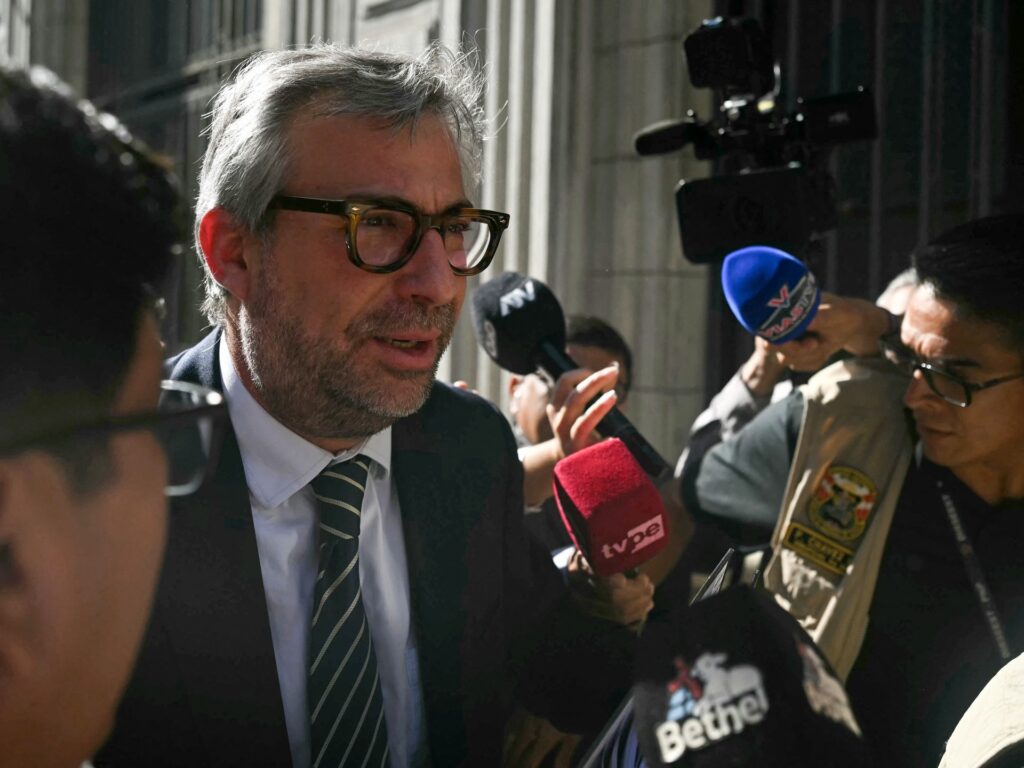
In the wake of a tumultuous general election, the head of Peru’s election authority has stepped down, igniting further unrest across the nation. The resignation took place after the official was confronted and heckled by protesters who were dissatisfied with the electoral process and results. The chaotic general election, marked by allegations of irregularities and logistical challenges, had already sown widespread public distrust and uncertainty.
The election chief’s announcement was met with intense backlash from demonstrators who questioned the legitimacy of the voting outcomes. As tensions escalated on the streets, the atmosphere surrounding the electoral process deteriorated further, exposing deep divisions within Peruvian society. Critics argue that the administration overseeing the polls failed to ensure transparency and fairness, contributing to the political instability now gripping the country.
This resignation highlights the challenges Peru faces in maintaining democratic integrity amid rising polarization. Calls for comprehensive electoral reforms have intensified as citizens demand accountability and credible governance. Political analysts warn that without significant improvements, public confidence in Peru’s democratic institutions could erode irreparably.
International observers monitoring the election processes expressed concern over the lack of clarity and organization apparent during the vote. Their reports underscore the urgency for Peru to address systemic electoral weaknesses and restore trust among voters. Amid ongoing protests and political uncertainty, the government is under mounting pressure to hold dialogue with civil society and opposition parties to chart a path forward.
The abrupt departure of the election chief symbolizes a critical juncture for Peru’s democracy. It serves as a stark reminder of the volatile consequences when electoral systems fail to meet public expectations. Moving ahead, ensuring transparent, fair, and inclusive elections remains a paramount priority to stabilize the nation and uphold democratic values.
Peru now confronts the formidable task of repairing its political framework and calming societal unrest. The resignation could either open a new chapter for reform or deepen the existing crisis. As the situation unfolds, observers both domestically and internationally will be closely watching Peru’s response and next steps in navigating this pivotal moment in its democratic journey.