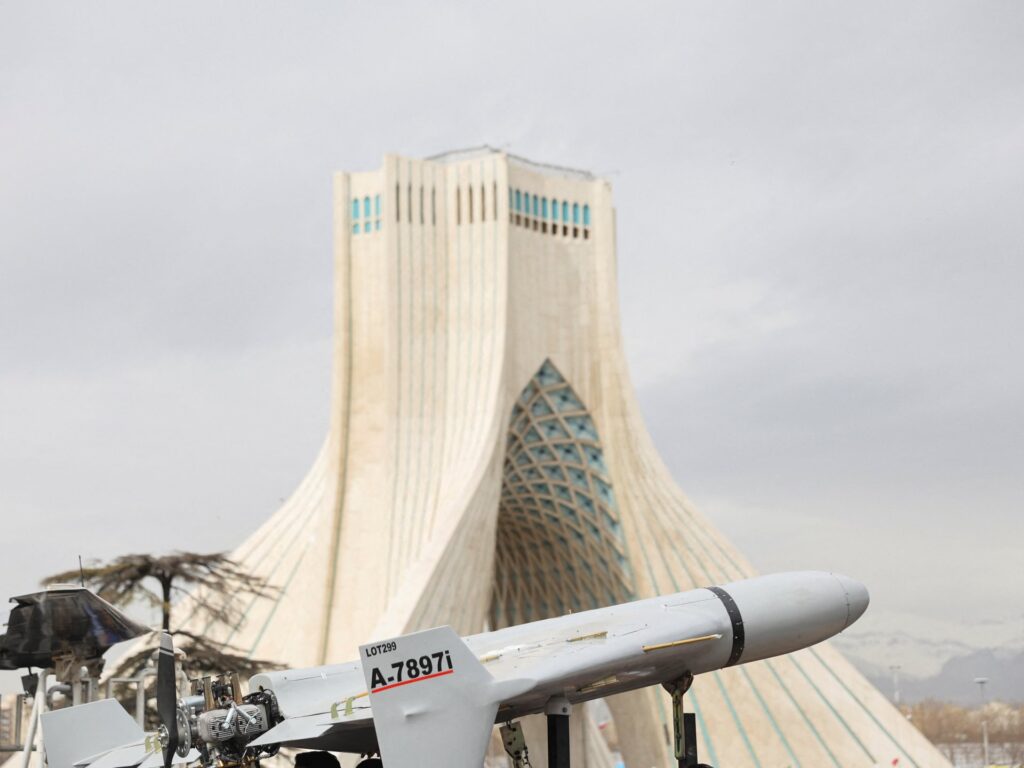
In a significant diplomatic move, the United States has announced new sanctions targeting Iran just as the possibility of diplomatic talks looms in Pakistan. The Trump administration has specifically targeted 14 individuals and entities believed to be linked to Iran’s arms industry, marking a clear stance against Iran’s military ambitions and its regional influence.
The new sanctions, unveiled on the eve of possible negotiations, aim to pressure Iran into complying with international norms and to curtail its capabilities in developing and proliferating arms. This action aligns with the broader US foreign policy approach under the Trump administration, which has emphasized maximum pressure on Iran to bring Tehran back to the negotiating table under favorable terms.
The targeted individuals and entities are reportedly involved in activities that support Iran’s arms manufacturing and distribution network, including missile development and supply chains associated with military hardware. By sanctioning these actors, the US intends to disrupt Iran’s defense infrastructure, making it harder for the regime to continue advancing its strategic weapons programs.
This announcement arrives amid ongoing speculation about a potential diplomatic breakthrough, with Pakistan playing a pivotal role as the prospective host for talks between Iranian officials and US diplomats. Pakistan’s strategic geographical and political position in South Asia places it as a significant player in the regional security dialogue.
Sanctions have long been a tool used by the US to exert economic and political pressure without resorting to military action. The current measures reflect an escalation in efforts to contain what the United States views as destabilizing activities by Iran throughout the Middle East and beyond.
Critics of the sanctions argue that such measures might hinder the possibility of fruitful negotiations by escalating tensions and fostering mistrust. However, supporters insist that economic constraints are necessary to bring Iran to the negotiating table with a commitment to peace and stability.
The timing of these sanctions underscores the complexities involved in international diplomacy, particularly concerning Iran’s nuclear and military ambitions. While the US expresses readiness for talks, the simultaneous imposition of sanctions sends a dual message of pressure combined with openness to dialogue.
Pakistan’s role as a mediator could be instrumental in achieving a balance between these opposing strategies, providing a neutral ground for meaningful discussions. The region watches closely as developments unfold, hoping for a peaceful resolution to a decades-long standoff.
In summary, the US sanctions on the eve of possible talks in Pakistan highlight the intricate dance of diplomacy and strategic pressure. As the world anticipates the outcome of these potential negotiations, the effectiveness of sanctions as a foreign policy tool remains under intense scrutiny and debate.