The European Union is currently under significant pressure to suspend its ongoing trade agreement with Israel as concerns escalate over alleged human rights violations in Gaza and the West Bank. This intensifying scrutiny comes amid growing international condemnation of Israel’s policies and actions in these territories, raising urgent questions about the ethical and political implications of maintaining preferential economic ties.
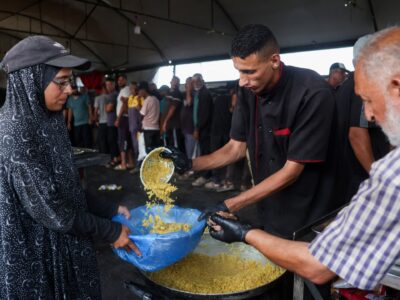
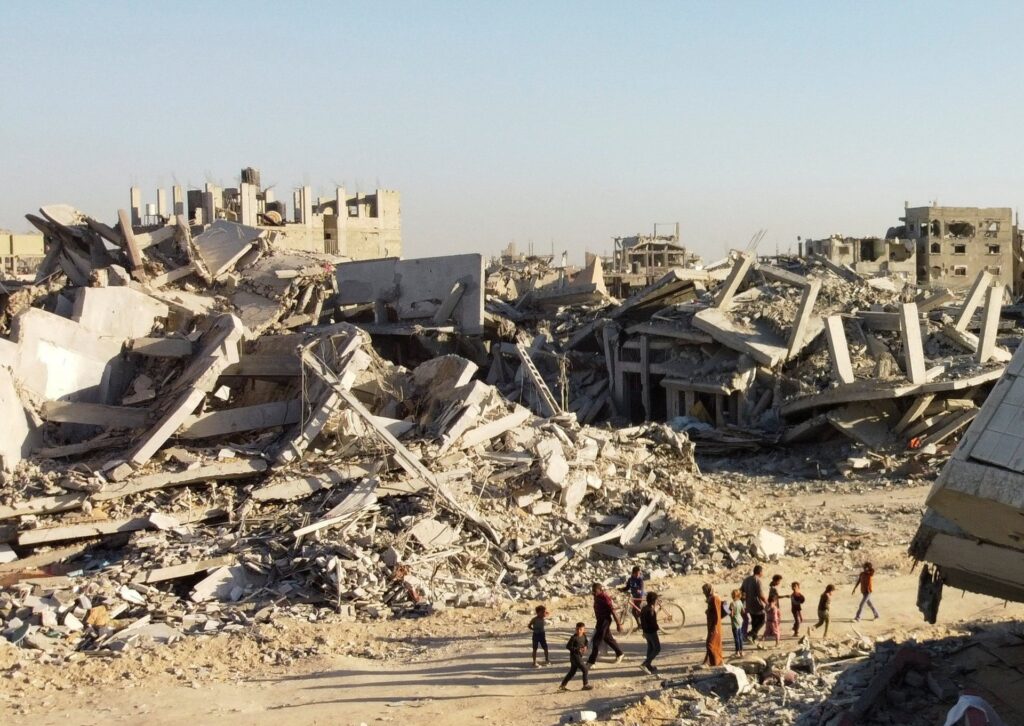
EU nations find themselves deeply divided on the issue. Some member states advocate for immediate suspension, arguing that continuing trade relations without consequence compromises the EU’s commitment to human rights and international law. They emphasize that Israel’s policies, including settlement expansions and military operations in Palestinian areas, have led to suffering and displacement, warranting a firm response to uphold EU values.
Conversely, other EU countries caution against abrupt disruption of the trade agreement. They highlight geopolitical complexities, the importance of dialogue, and cooperation as channels for promoting peace and stability in the region. These nations stress a need for continued engagement with Israel to influence positive change rather than isolate it, fearing that suspension might hamper diplomatic efforts and exacerbate tensions.
The trade agreement itself, which facilitates economic exchange and cooperation, is now at the center of this contentious debate. Critics assert that its suspension would send a strong political signal, demonstrating the EU’s refusal to tacitly endorse violations of human rights. Proponents of maintaining the agreement argue for conditionality measures that would tie economic benefits to Israel’s adherence to international norms.
Public opinion across EU member states also sways the decision-making process, with activist groups, human rights organizations, and citizens urging governments to take a stand against violations in Gaza and the West Bank. These voices amplify the call for accountability and transparent assessments of the EU’s trade relations.
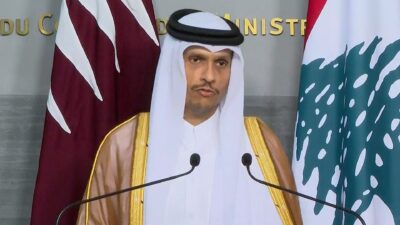
The EU’s executive arm and foreign policy representatives have reiterated their commitment to peace and respect for human rights, underscoring the complexity of balancing ethical considerations with strategic interests. As debates continue, the future of the EU-Israel trade agreement remains uncertain, symbolizing broader tensions over how best to respond to ongoing conflicts and uphold international principles in a fractious geopolitical landscape.
In sum, the mounting pressure on the European Union reflects a critical crossroads where economic diplomacy intersects with human rights advocacy. The decisions made in upcoming months will not only affect trade dynamics with Israel but also define the EU’s stance on justice, peace, and its role in upholding the international humanitarian framework.