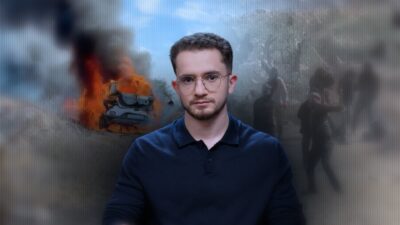
In a controversial move, Rabbi Avraham Zarbiv, who has been accused of war crimes, has been selected to participate in Israel’s upcoming national celebration. The decision has sparked widespread criticism and debate both within Israel and internationally.
Rabbi Zarbiv gained notoriety after videos surfaced showing him demolishing Palestinian buildings in Gaza. In these videos, he is seen reciting religious verses as he carries out the demolitions, actions that many have condemned as violations of international law and possible war crimes.
The footage has drawn condemnation from human rights organizations and critics who argue that such actions contribute to ongoing violence and suffering in the region. They also lament the normalization and glorification of such behavior through his inclusion in a national event.
Supporters of Rabbi Zarbiv, however, argue that he is a patriot engaged in defending Israel. They see the selection as recognition of his commitment to what they consider necessary security measures.
The selection of a figure involved in such contentious activities for a prominent national celebration raises important questions about the messages being endorsed by official state functions. It highlights the tension between national pride and the demand for accountability and respect for human rights.
Israel’s national celebrations traditionally aim to unite the country and commemorate significant moments in its history. Including Rabbi Zarbiv challenges the unifying nature of the event, potentially deepening divisions within Israeli society and drawing negative attention from the international community.
As the date of the celebration approaches, activists and commentators continue to debate the implications of Rabbi Zarbiv’s participation. The controversy underscores the broader complexities of the Israeli-Palestinian conflict and the ways in which individuals’ actions are interpreted within that fraught context.
This incident serves as a reminder of the ongoing struggles over narrative, justice, and the pursuit of peace in one of the world’s most enduring and complex conflicts.