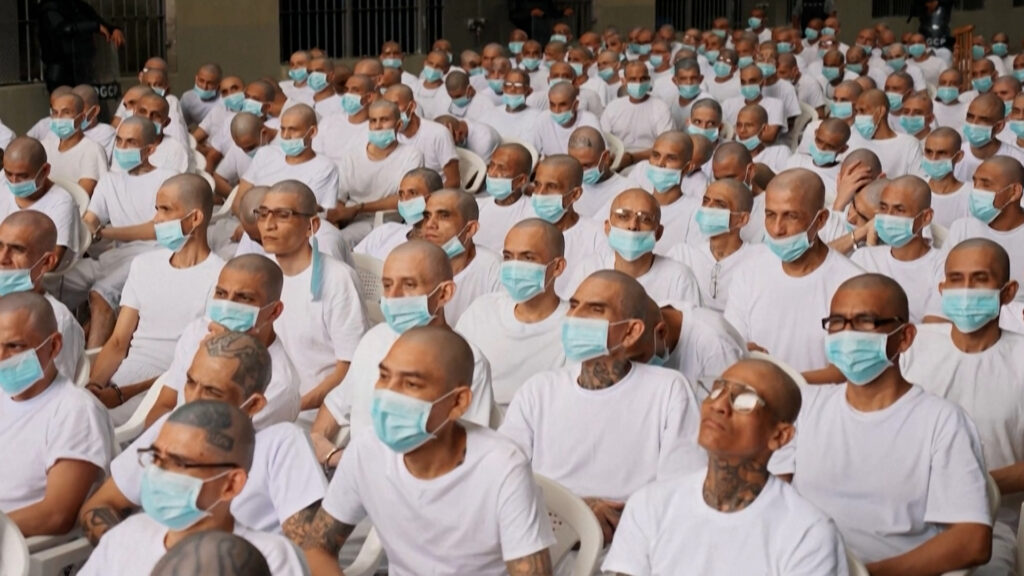
In an unprecedented legal proceeding, El Salvador has initiated a mass trial involving nearly 500 individuals accused of gang membership. This trial represents one of the largest of its kind in the nation’s history and is reflective of the government’s rigorous approach to combatting gang violence.
The trial includes allegations against suspected members of notorious gangs that have long plagued the country, contributing significantly to high crime rates and social instability. Authorities assert that this mass legal move aims to dismantle the organized crime networks that have exerted control over many communities.
El Salvador’s government has been under international scrutiny for its aggressive tactics against gang activities, which include mass arrests and stringent prison measures. Supporters argue that these efforts are necessary to restore public safety, while critics raise concerns over human rights and the potential for judicial overreach.
The judicial process involves numerous prosecutors, defense attorneys, and judges working simultaneously to address the allegations against the accused. Each case is expected to delve into evidence presented by law enforcement, including testimonies, surveillance, and other investigative findings.
This mass trial raises important questions about the balance between security efforts and legal fairness. Government officials maintain that those on trial will receive due process despite the scale and complexity of the case. Observers note that outcomes of such trials could set important precedents for how gang-related crimes are addressed in the region.
The event has also sparked conversation about the root causes of gang affiliation in El Salvador, such as poverty, lack of education, and limited economic opportunities. Experts advocate for multifaceted approaches including social programs and rehabilitation efforts to complement legal strategies.
Public opinion within El Salvador is mixed, with some citizens expressing relief at the prospect of widespread gang members being held accountable, while others worry about the potential for wrongful convictions and the strain on the judicial system.
As this historic trial proceeds, the international community watches closely, assessing its impact on crime reduction and human rights protections. The outcome may influence not only national policies but also regional approaches to dealing with gang violence.
The trial is expected to continue for several months, given the massive number of defendants and the detailed nature of the charges. Authorities emphasize their commitment to transparency and justice throughout the proceedings.
This mass trial marks a significant moment in El Salvador’s ongoing battle against gangs, reflecting the complexities and challenges inherent in addressing entrenched criminal organizations in a democratic society.