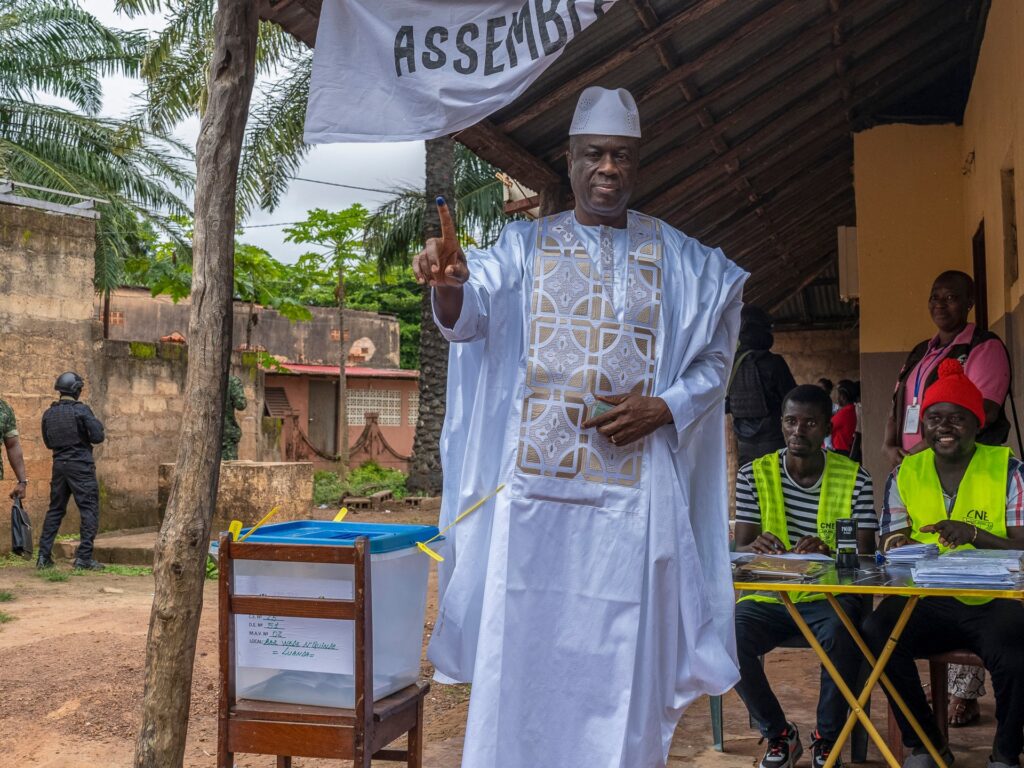
In Guinea-Bissau, the vote count has commenced following a referendum aimed at strengthening the powers of the presidency. This political development comes ten months after a military coup disrupted the nation’s democratic trajectory. The referendum is a key event in the country’s efforts to stabilize its political landscape and ensure the continuity of civilian governance.
The military leaders who orchestrated the coup have articulated that the referendum is a strategic move to create a more stable framework for future civilian governments. They argue that bolstering the presidency will help avoid recurring political crises and power struggles that have historically plagued Guinea-Bissau.
Guinea-Bissau has a history of political instability marked by coups, rebellions, and contested elections. The latest coup intensified concerns about the country’s fragile democracy and governance structures. In response, the military leadership proposed constitutional changes, which were put to a public vote in the recent referendum.
The proposed changes primarily focus on enhancing the executive powers of the president. Advocates believe that a stronger presidency will provide a clear center of authority capable of driving policy and maintaining order amidst varied political factions.
Opponents of the referendum have expressed worries that increasing presidential powers might lead to authoritarianism. They caution that such reforms could undermine checks and balances and diminish legislative influence.
International observers have monitored the referendum’s conduct closely, emphasizing the importance of transparency and fairness. The outcome of the vote could have significant implications for Guinea-Bissau’s democratic institutions and its journey towards political stability.
As the vote count proceeds, the nation waits to see if the referendum will receive a majority approval. A positive result would signal a substantial shift in Guinea-Bissau’s constitutional order, potentially reshaping the country’s governance model.
The military’s stated objective is to pave the way for stable civilian administrations in the future, hoping to prevent the cycle of upheaval and crisis. The referendum is a critical juncture in this process, reflecting both the challenges and aspirations of Guinea-Bissau’s political evolution.
Observers suggest that regardless of the referendum’s outcome, sustained dialogue and inclusive political engagement will be essential for lasting stability. The country’s fragile peace remains dependent on cooperation between military leaders, civilian politicians, and the broader population.
In summary, Guinea-Bissau is at a pivotal moment as it counts votes in a contentious referendum aimed at strengthening the presidency. The initiative is framed as a strategy by military leaders to foster stable civilian governments after recent turmoil. The coming days will reveal whether the electorate supports this vision for reform and whether it can bring about the hoped-for political stability in this West African nation.