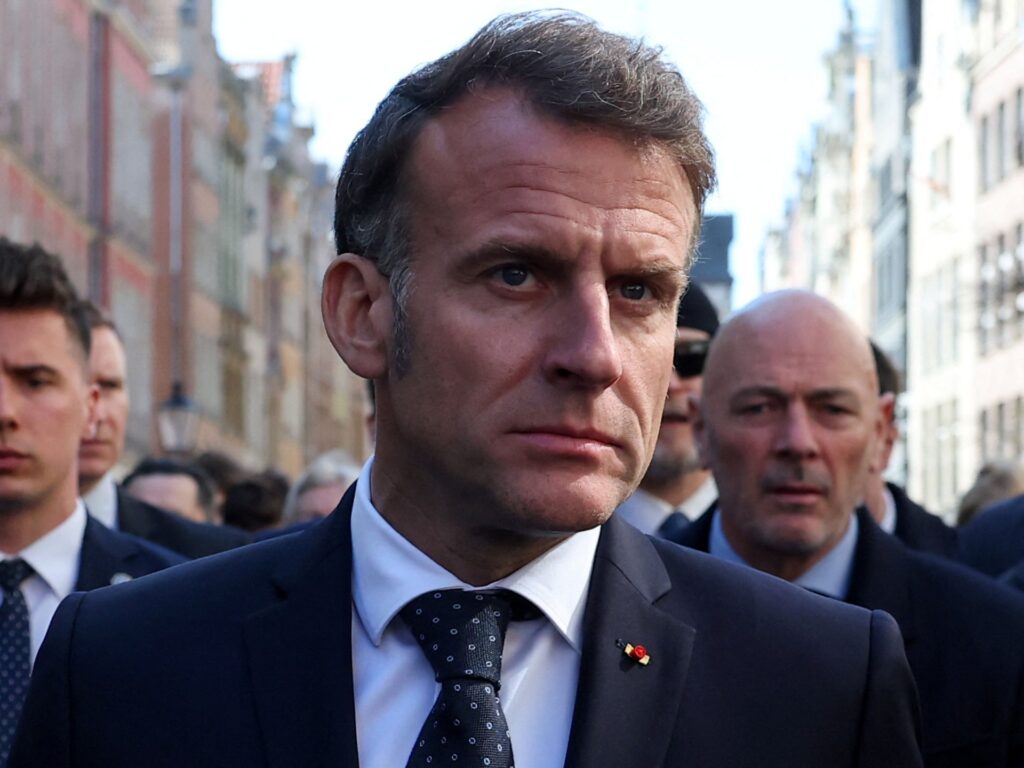
In a recent statement, French President Emmanuel Macron called for calm as diplomatic efforts involving the United States and Iran approach critical negotiations. Macron emphasized the importance of maintaining the ceasefire between the US, Israel, Iran, and Lebanon during this sensitive period. As tensions remain high in the Middle East, the French leader urged all parties involved to remain composed and avoid actions that could escalate the situation further.
The context of Macron’s appeal comes amid intense diplomatic activity aimed at de-escalating conflicts and promoting peace in a region marked by longstanding hostilities. The ceasefire agreement, which involves multiple actors including Israel and Lebanon alongside the US and Iran, is seen as fragile. Maintaining it is crucial for creating an environment conducive to productive dialogue and potential resolution of ongoing disputes.
Macron’s call for calm underscores the importance of diplomacy and restraint as the world watches the negotiations closely. By urging all sides to ‘calm down,’ he highlights the risks associated with heightened rhetoric or military actions that could derail peace efforts.
The Middle East has experienced a series of conflicts and confrontations in recent years, with the US and Iran often at the center of the geopolitical tensions. Lebanon’s role in this dynamic, especially regarding its interactions with Israel, adds another layer of complexity to the peace process. The ceasefire maintained between these countries is a delicate balance that requires consistent commitment from all parties.
France, under Macron’s leadership, has taken an active role in facilitating dialogue and encouraging peaceful solutions. Macron’s latest appeal reflects not only France’s diplomatic stance but also a broader international desire to stabilize the region. The President’s message to ‘everyone must calm down’ is a plea for reason and patience as negotiations proceed.
Experts believe that the outcome of the ongoing talks could have significant implications for regional security and international relations. Positive progress could lead to longer-term peace initiatives and reduce the risk of further armed conflicts. Conversely, failure to maintain the ceasefire or increased tensions could exacerbate existing problems and lead to wider instability.
The international community is closely monitoring developments, hoping that the involved parties will heed Macron’s call and work collaboratively. The combination of diplomatic engagement and calls for restraint is seen as essential to paving the way for a sustainable peace agreement.
As US-Iran talks near, the focus remains on ensuring that all sides uphold the ceasefire agreements and commit to constructive dialogue. Macron’s message is a timely reminder of the fragile nature of peace in the Middle East and the necessity of collective calm to secure it. Ultimately, the success of these talks depends on the willingness of all stakeholders to engage with patience, understanding, and a shared commitment to peace.