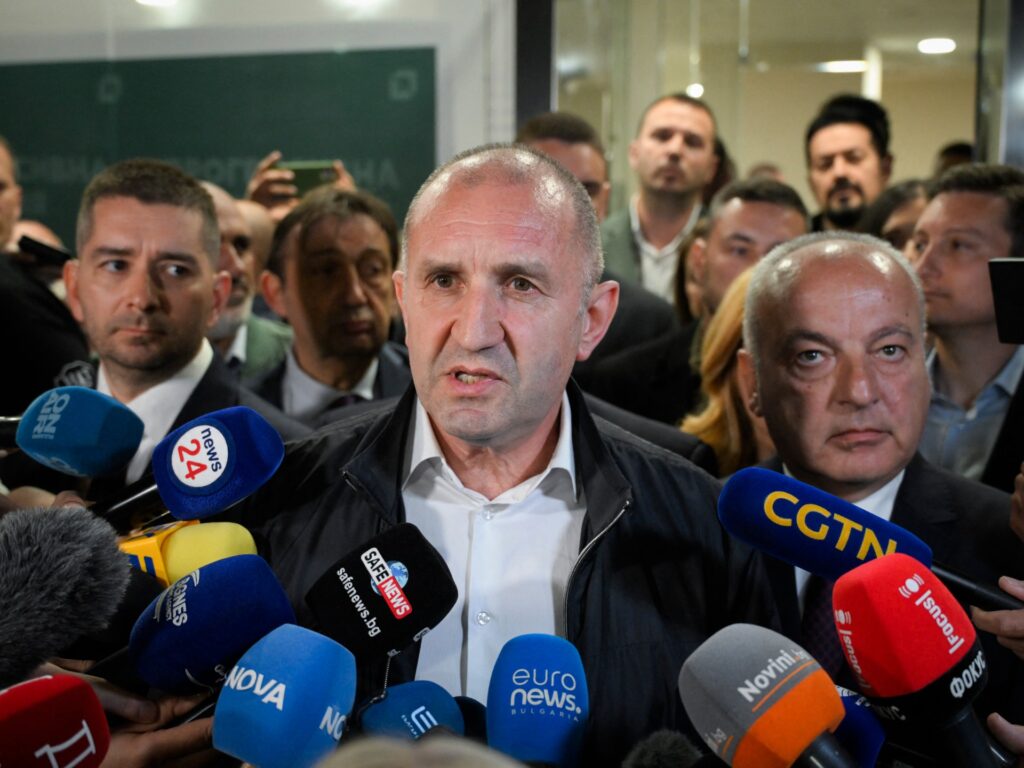
Bulgaria’s recent election has stirred significant political waves, with early results indicating a notable shift in the country’s leadership landscape. Former President Rumen Radev has emerged as a central figure in this electoral contest, confidently claiming ‘victory’ as preliminary counts trickle in. This announcement marks a pivotal moment in Bulgaria’s political narrative, reflecting both the shifting voter sentiment and the complexities of the nation’s democratic processes.
Radev, a prominent political figure with substantial influence, leveraged his campaign to appeal to a broad spectrum of the Bulgarian electorate. His victory claim underscores a potential new chapter for Bulgaria, one that could herald changes in policy direction and governance style. The election outcome is being closely watched domestically and internationally due to Bulgaria’s strategic position in Europe and its role within the European Union.
In response to Radev’s announcement, former Prime Minister Boyko Borissov extended his congratulations. However, Borissov tempered his message with a word of caution. He emphasized a critical political reality, stating, ‘winning elections is one thing, governing is another.’ This statement highlights the challenges that lie ahead for Radev and his team in translating electoral success into effective governance.
Borissov’s cautionary note is grounded in Bulgaria’s recent political history, where electoral victories did not always guarantee smooth or stable governance. Challenges such as forming coalitions, passing legislation, and managing the country’s economic and social issues remain formidable obstacles.
The election outcomes signal a potentially transformative period for Bulgaria, with citizens voicing a desire for change and effective leadership. As Radev moves towards consolidating his position, much attention will be on how he plans to address the nation’s pressing issues, including economic development, corruption, and foreign policy.
Observers note that Bulgaria’s elections are more than just a contest for power; they represent the hopes and aspirations of a nation striving for a better future. The political dynamics unveiled by this election could reshape Bulgaria’s domestic and external policies substantially.
Looking ahead, the focus will shift to Radev’s next steps in government formation and policy implementation. Stakeholders within Bulgaria and the international community will be keenly observing how this election victory translates into governance and whether it can meet the high expectations set by the electorate.
The recent election illustrates the vibrant and sometimes unpredictable nature of democratic processes in Bulgaria. As the nation navigates this transitional phase, the resilience of its political institutions and the engagement of its citizenry will be critical to the country’s stability and progress.
In conclusion, while Ex-President Radev’s claim of victory marks a significant milestone, the real test lies in the coming days and months. Governing effectively amidst diverse political pressures and societal demands will determine the true success of this electoral mandate. The journey from winning the election to leading the country will be scrutinized as Bulgaria seeks to forge a path toward stability and prosperity.