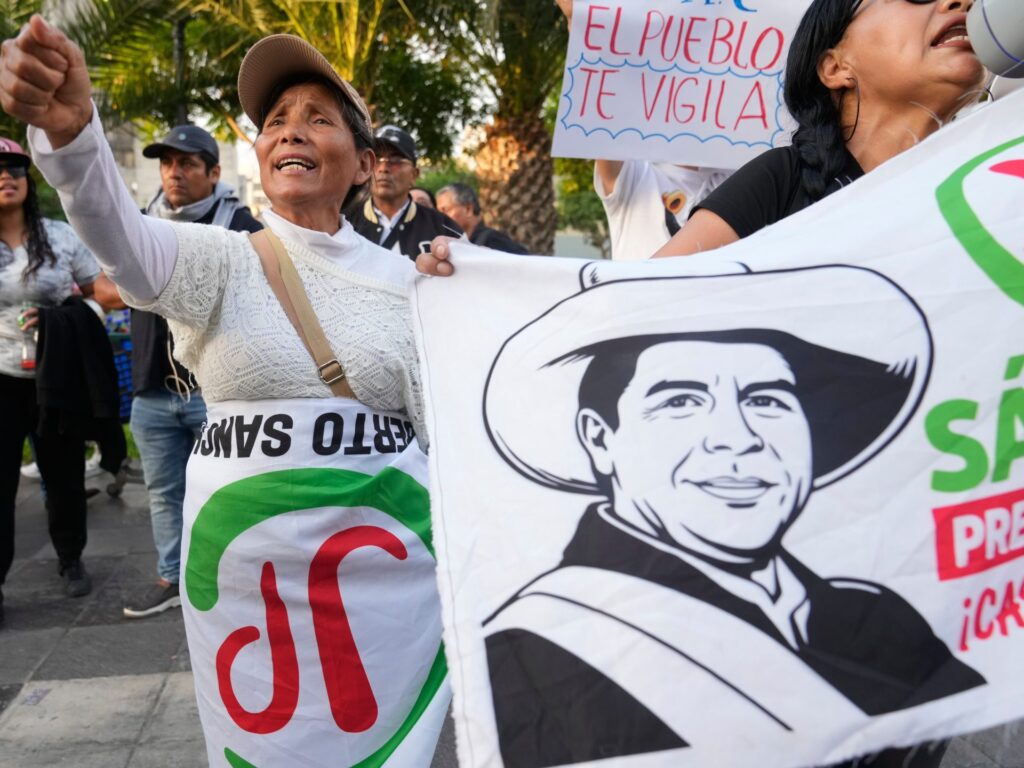
Peru is currently awaiting the final results of its presidential election, which are now expected to be announced by mid-May due to a delayed vote count. The delay has heightened tensions and uncertainty among the electorate and political observers alike. Despite these concerns, the European Union’s election observer mission has stated that the electoral process met democratic standards.
The presidential election, a critical event in Peru’s political landscape, has been closely watched both domestically and internationally. The delay in finalizing the vote count has been attributed to logistical challenges and the high number of votes to be processed. Election authorities are working diligently to ensure all votes are accurately counted and verified before announcing the final results.
Allegations of fraud have circulated following the vote, contributing to the delay and scrutiny of the electoral process. However, the EU election observers emphasize that these claims have not undermined the overall integrity of the election. Their assessment reaffirmed that the electoral process was conducted fairly and transparently in accordance with democratic principles.
Political leaders and candidates have urged their supporters to remain calm and patient as the electoral body completes its duties. The peaceful conduct of the election and the orderly processing of votes are essential for maintaining public confidence in Peru’s democracy.
The EU observer mission’s positive evaluation provides reassurance amidst the allegations of wrongdoing. International observers play a crucial role in monitoring elections, offering impartial assessments that help to enhance trust and legitimacy in the electoral outcomes.
As the nation awaits the official declaration of results, attention is focused on the forthcoming announcement expected by mid-May. The outcome of this election will significantly impact Peru’s political direction, policy priorities, and governance in the coming years.
The delayed announcement of results highlights the complexities involved in managing large-scale elections in diverse and populous countries. Peru’s experience underscores the importance of robust electoral institutions and transparent processes to uphold democratic practices.
In conclusion, while the delay in vote counting has introduced temporary uncertainty, the affirmation by the EU election observer mission that the election met democratic standards supports the credibility of the electoral process. Peruans and international stakeholders alike anticipate the official results, hopeful for a peaceful transition or continuation of leadership based on the democratic mandate given by the voters.