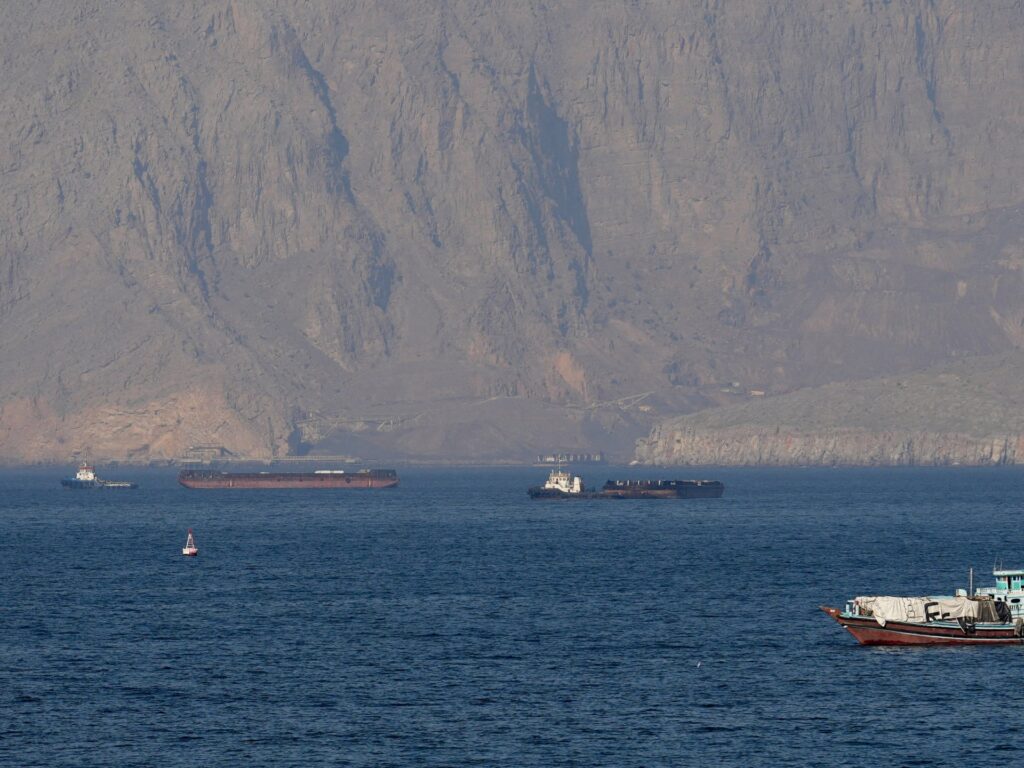
Tensions in the Strait of Hormuz escalated recently as Iranian military forces ordered an Indian vessel to abort its passage through the strategic waterway. The incident was captured on video, showing Iranian military personnel directing the Indian ship to change course and cease its transit. The Strait of Hormuz is a critical chokepoint for global oil shipments, making any disruption highly significant for international trade and regional security.
The Indian ship was reportedly navigating through the strait when Iranian forces issued the command to halt and abandon its planned journey. This move highlights the growing complexity and volatility in the region, where geopolitical and military interests often intersect. The Strait of Hormuz remains a vital route for approximately 20% of the world’s petroleum, and control over this narrow passage is a strategic priority for Iran.
India, which relies heavily on the safety of maritime routes for energy imports, has expressed concern over the escalation. The incident raised questions about freedom of navigation and the rights of commercial shipping in international waters. While no conflict or damage was reported in connection to the aborted passage, the situation underscores broader tensions between Iran and various global actors.
International observers noted that Iran often exercises its authority over the strait to assert its influence and signal displeasure regarding foreign policies and sanctions. The Indian government is expected to engage diplomatically to ensure the safe passage of its vessels in the future and to de-escalate any potential misunderstandings.
The video evidence of the Iranian military’s directive adds to the growing documentation of such confrontations and is likely to prompt discussions within international maritime organizations. The leadership in New Delhi has been closely monitoring developments and stands firm on ensuring its maritime activities are respected under international law.
This event follows a series of incidents involving various nations’ vessels in the Gulf region, where territorial claims and security concerns intersect with global energy supply considerations. The Indian Ministry of External Affairs has reiterated its commitment to peaceful dialogue and maritime security.
As geopolitical dynamics continue to shift, the Strait of Hormuz remains a focal point of strategic interest. The incident involving the Indian ship reflects the fragile balance between asserting national security and maintaining freedom of navigation critical for the global economy.
Stakeholders worldwide are encouraged to keep diplomatic channels open and adhere to international norms to prevent escalation and ensure the uninterrupted flow of commerce through the Strait of Hormuz. The international community may seek to reinforce collaborative security arrangements to mitigate risks posed by unilateral military actions in this vital maritime corridor.