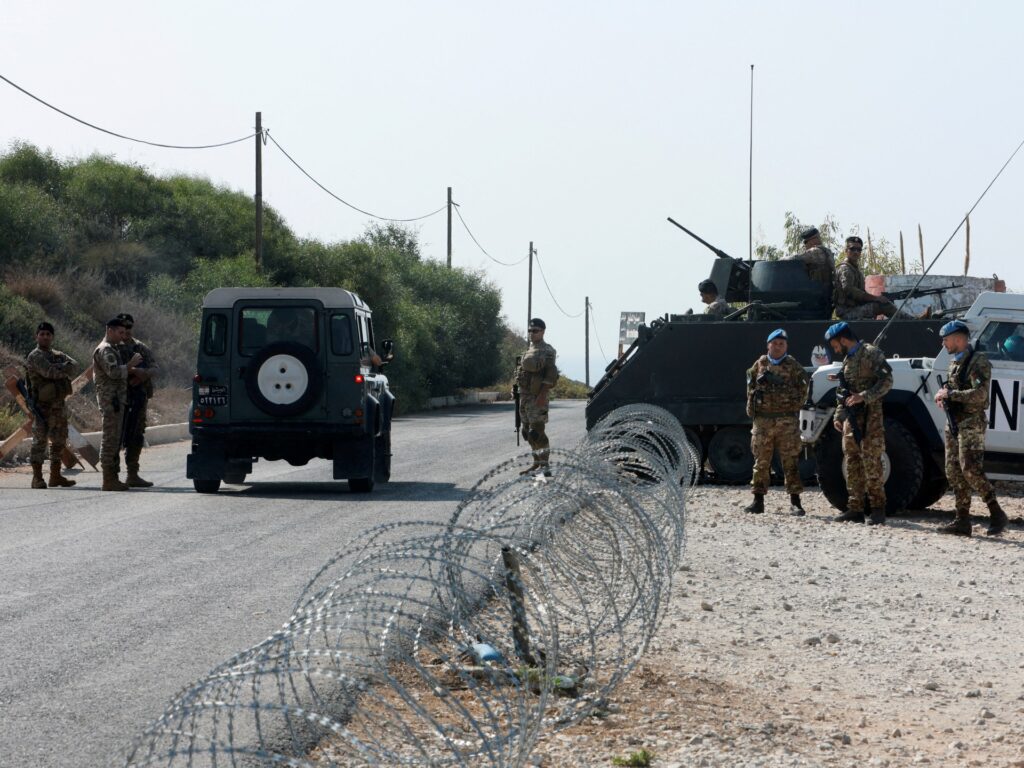
A French soldier serving with the United Nations Interim Force in Lebanon (UNIFIL) has been killed in a violent attack in Lebanon, marking a tragic incident during a period of fragile peace in the region. This deadly event unfolded just days after Israel and Lebanon agreed on a 10-day ceasefire, raising concerns about the stability and security in the area.
The soldier, whose identity has not been disclosed, was part of the multinational peacekeeping force tasked with maintaining peace and preventing hostilities along the Lebanon-Israel border. UNIFIL has been deployed in Lebanon since 1978, aiming to oversee the cessation of hostilities, ensure humanitarian access, and support the Lebanese Armed Forces in southern Lebanon.
Details of the attack remain unclear, but it occurred in a region where tensions have historically been high, despite recent diplomatic efforts. The international community has condemned the violence and reiterated the importance of respecting the ceasefire agreement to prevent further casualties and escalation.
This incident highlights the persistent challenges faced by UN peacekeeping missions operating in conflict zones where underlying issues remain unresolved. The deployment of UNIFIL soldiers often places them at risk, as they navigate complex and volatile environments in pursuit of regional stability.
Lebanese authorities, along with UN officials, have launched an investigation into the circumstances surrounding the attack. Calls for calm and restraint have been issued by both sides, emphasizing the need to uphold the ceasefire and continue dialogue to avoid renewed conflict.
The French government has expressed its profound condolences to the soldier’s family and has reaffirmed its commitment to supporting international peacekeeping efforts. This tragedy underscores the dangers faced by peacekeepers worldwide and the critical role they play in conflict mitigation.
As the region grapples with this unsettling event, attention is focused on diplomatic channels and peacekeeping strategies that can prevent further violence. The UN Security Council is expected to discuss the situation in its upcoming session, with member states urging all parties to comply fully with the ceasefire and engage constructively in peace talks.
The loss of the French soldier is a somber reminder of the human cost of maintaining peace in volatile regions. It also serves as a call to the international community to redouble efforts in addressing the root causes of conflicts, to ensure that peacekeeping missions can operate safely and effectively.
In summary, the killing of a French UNIFIL soldier in Lebanon just days after a ceasefire announcement has cast a shadow over hopes for lasting peace in the region. It underscores the fragility of ceasefire agreements and the ongoing volatility in conflict zones. Moving forward, it is essential for all involved parties to honor ceasefire commitments, support peacekeeping operations, and engage in meaningful dialogue to secure a peaceful future for Lebanon and its neighbors.