In a significant development in the ongoing Iran war situation, Tehran has announced that the United States must end its blockade of Iranian ports. This statement comes amidst rising tensions and strategic maneuvers in the region. The blockade has severely impacted Iran’s trade and access to international waters, escalating the conflict further.
Tehran has emphasized that the strait, a critical geopolitical chokepoint, will soon be reopened, signaling a shift in the current stalemate. This move is expected to have far-reaching implications for shipping routes and the global oil market.
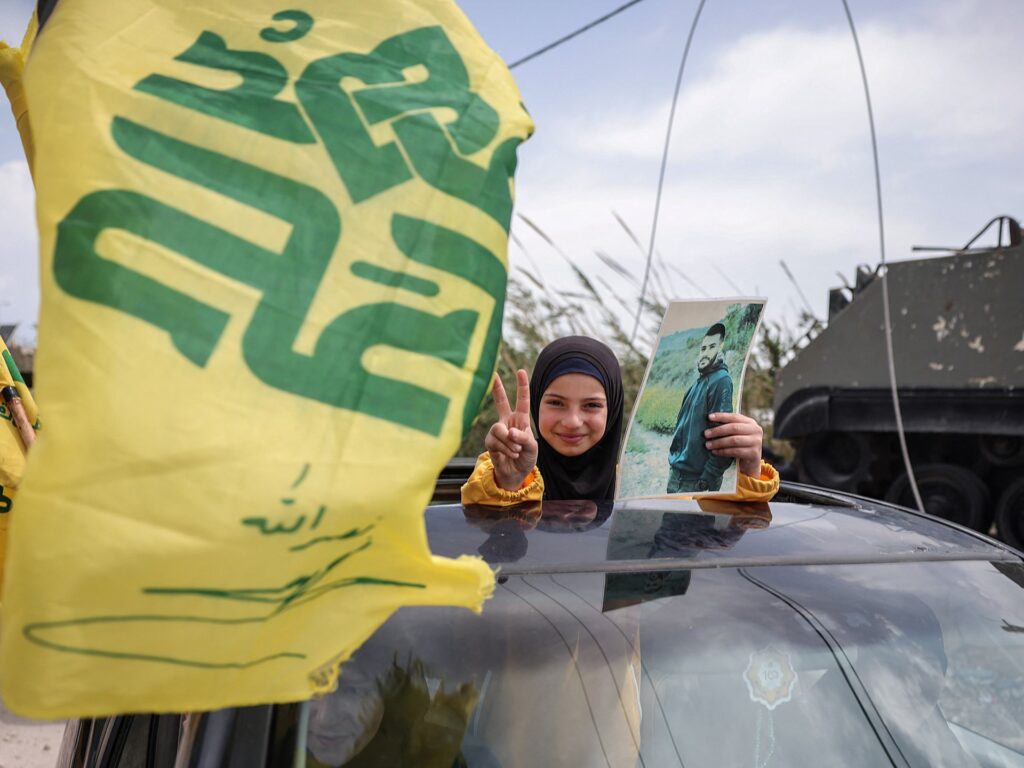
Meanwhile, in Lebanon, the first day of a ceasefire has allowed tens of thousands of people, who were forcibly displaced by Israeli attacks, to start returning to their homes. The ceasefire is a hopeful sign in a region long plagued by violence and unrest.
The forced displacement caused by the recent Israeli military operations has left many Lebanese civilians in urgent need of humanitarian assistance. The return of these displaced individuals marks a crucial step towards stability and recovery in the area.
The ceasefire agreement, brokered under international pressure, aims to halt hostilities and pave the way for dialogue. Both sides have expressed cautious optimism about maintaining peace and preventing further bloodshed.
The reopening of the strait by Iran could also influence the delicate balance of power in the region. It may increase tensions with the US and its allies who have imposed the blockade to restrict Iran’s influence and military capabilities.
The blockade itself is part of broader sanctions and diplomatic efforts aimed at curbing Iran’s nuclear ambitions and regional activities. However, Tehran’s firm stance and call for ending the blockade highlight the complexities and challenges in resolving the conflict.
Experts warn that while the ceasefire in Lebanon offers temporary relief, the broader regional dynamics remain volatile. Future developments will likely depend on diplomatic negotiations, regional alliances, and the willingness of parties to engage in constructive dialogue.
Humanitarian groups continue to monitor the situation closely, providing aid to displaced populations and advocating for sustained peace efforts. The international community remains attentive to the unfolding events, emphasizing the need for a peaceful resolution.
As Tehran insists on lifting the blockade and reopening vital maritime routes, the coming days will be crucial in determining the trajectory of the Iran war and the broader Middle Eastern geopolitical landscape.