The United Nations aid chief, Tom Fletcher, has issued a grave warning about the deteriorating humanitarian situation in South Sudan, highlighting the risk of the country slipping into a full-scale famine and societal collapse. This alarming statement comes amid ongoing conflict, economic instability, and climate-related challenges that have severely impacted food security across the region.
South Sudan, the world’s youngest nation, has been plagued by civil war, inter-communal violence, and political instability since its independence in 2011. These issues have led to widespread displacement, disruption of agricultural activities, and a significant decline in access to essential services, including food and healthcare.
Fletcher emphasized that the current trajectory is dire, with millions of South Sudanese facing acute food insecurity. He pointed out that the convergence of conflict, economic hardships, and climate shocks such as floods and droughts has created a precarious environment where local communities struggle to meet basic nutritional needs.
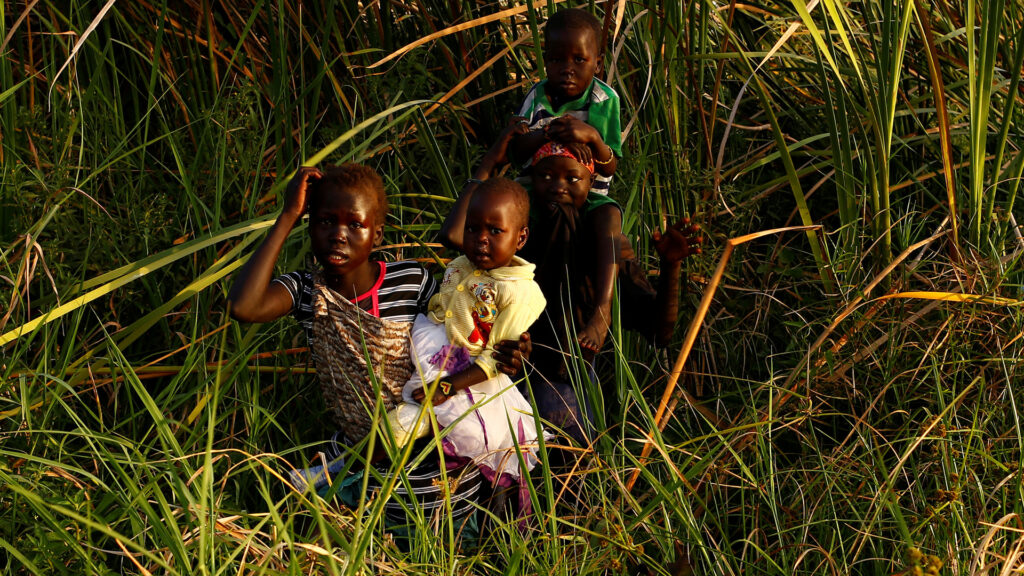
Humanitarian agencies have reported alarming statistics, indicating that nearly half of the population, which is approximately 11 million people, is in urgent need of assistance. The UN has expressed concerns that without substantial international aid and a ceasefire to allow humanitarian operations, the famine could become widespread and catastrophic.
Efforts to provide food, medical aid, and other critical support have been hampered by ongoing violence and logistical challenges. Fletcher called on the global community to increase funding for humanitarian programs and urged all parties involved in the conflict to prioritize peace and facilitate unhindered access for aid workers.
The possible famine in South Sudan would not only result in massive loss of life but also exacerbate displacement and regional instability. Neighboring countries are already witnessing an influx of refugees fleeing from famine-stricken areas, placing additional strain on already vulnerable populations and resources.
The UN aid chief’s warning serves as a critical appeal to the international community to act decisively and swiftly to prevent the worst-case scenario. Comprehensive efforts are needed to address both the immediate humanitarian crisis and the underlying causes of South Sudan’s instability to forge a path towards sustainable peace and recovery.
In conclusion, the situation in South Sudan represents a stark reminder of the devastating impact of conflict combined with economic and environmental pressures on vulnerable populations. The world watches anxiously as the UN and allied partners mobilize resources and strategies to save lives and help the nation avoid a full-scale famine and systemic collapse.