In the latest developments surrounding the ongoing conflict involving Iran, Tehran has strongly rebuked statements made by then-US President Donald Trump, labeling them as ‘false claims.’ This comes amid delicate peace talks aimed at de-escalating regional tensions and fostering a potential resolution to the hostilities.
Tehran’s spokesperson highlighted that Trump’s accusations lacked factual basis and stressed the importance of dialogue and negotiation. The Iranian government remains committed to pursuing diplomatic avenues despite the challenging geopolitical environment.
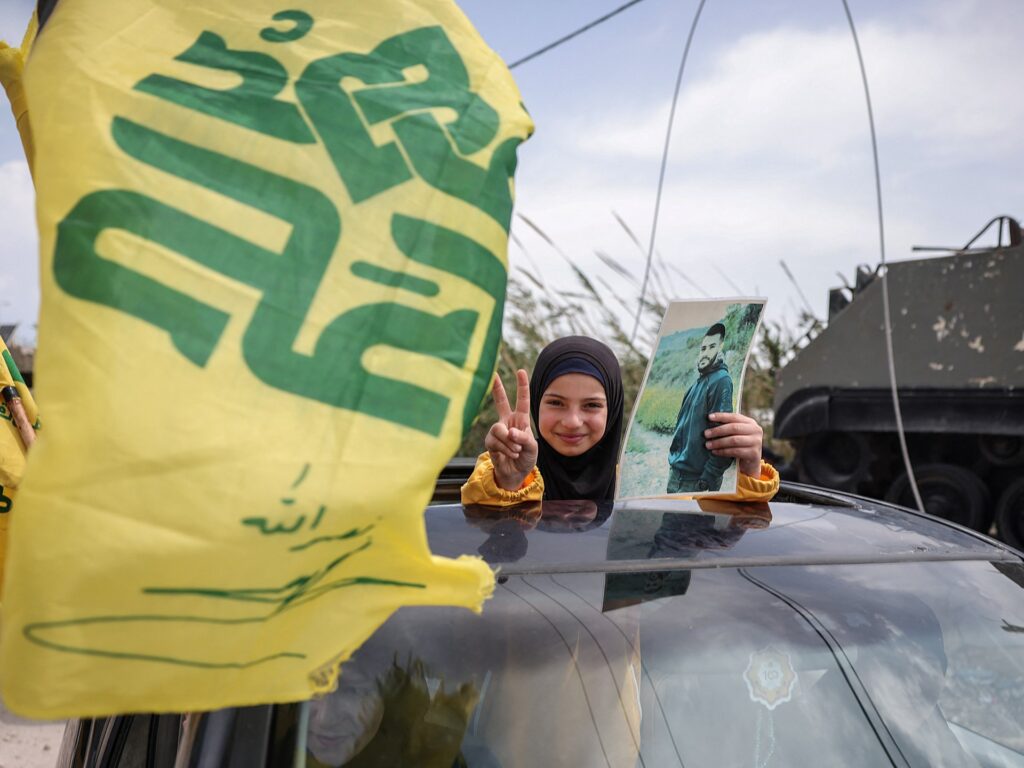
Concurrently, on the Israeli-Lebanese front, the first day of an agreed ceasefire saw tens of thousands of Lebanese civilians, who had been forcibly displaced by recent Israeli attacks, beginning to return to their homes. Humanitarian agencies reported a significant yet cautious movement of people back to affected areas, underscoring the fragility of peace but also the resilience of communities.
The ceasefire has provided a momentary respite from violence, allowing residents from various towns and villages near the conflict zones to assess damages and reunite with family members. Support efforts from both local organizations and international bodies have been mobilized to assist displaced persons with basic needs and reconstruction.
The situation remains fluid, with international mediators urging all parties to maintain the ceasefire and continue engaging in peace dialogues. The global community watches closely, hopeful that these developments mark the beginning of a sustainable path to peace in a region long plagued by conflict.
The juxtaposition of Tehran’s firm stance against what it deems misinformation and the cautiously optimistic movements of displaced Lebanese civilians returning home encapsulates the complex and multifaceted nature of the current regional dynamics. Both instances represent different dimensions of the broader conflict and the ongoing efforts to resolve it through negotiation and humanitarian relief.