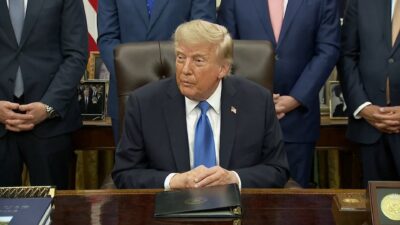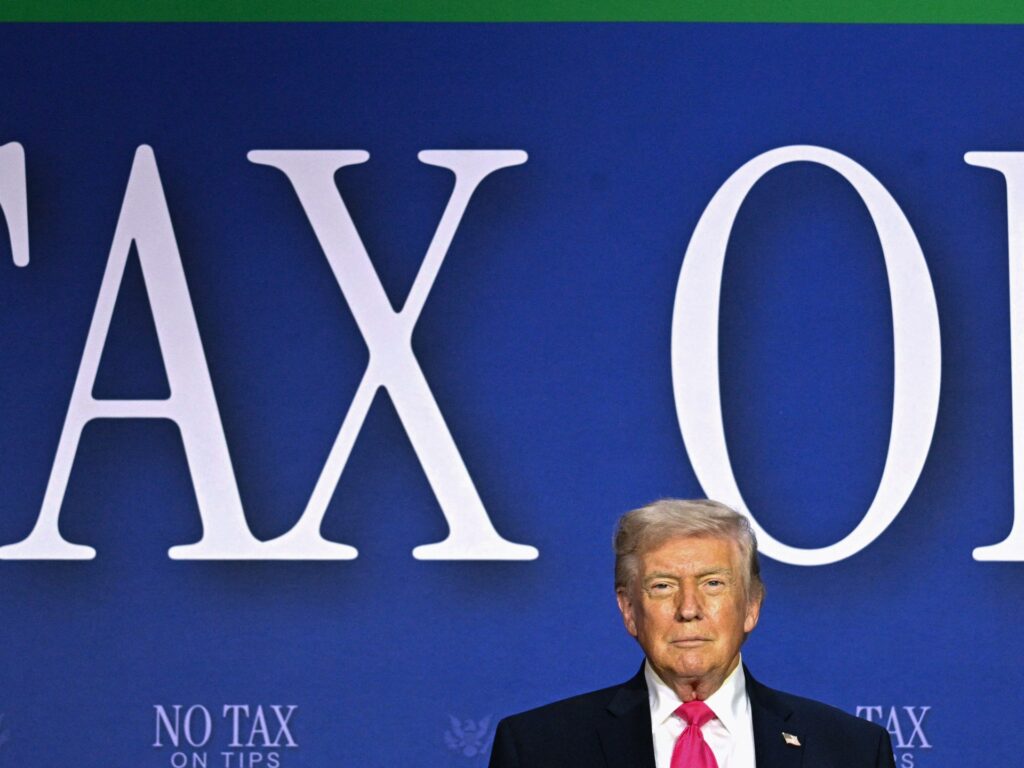
In a series of rapid-fire social media posts, former US President Donald Trump addressed the potential for upcoming talks between the United States and Iran. Trump’s statements come amid heightened international attention to Iran’s nuclear activities and the critical security situation surrounding the Hormuz Strait, a key maritime chokepoint for global oil shipments.
Trump asserted that Iran would eventually relinquish its nuclear material, implying a possible de-escalation of nuclear tensions. This assertion is significant, considering the longstanding concerns about Iran’s nuclear ambitions and the global responses, including sanctions and diplomatic pressures. If Iran were to indeed give up its nuclear material, it could mark a major breakthrough towards non-proliferation and regional stability.
Moreover, Trump conveyed that Iran would “never close” the Strait of Hormuz, a crucial passage through which about a fifth of the world’s petroleum passes. Past rhetoric from Iranian officials had threatened to block this strategic waterway, raising fears of supply chain disruptions and provocations that could escalate into broader conflicts. Trump’s statement may be aimed at reassuring markets and allies about uninterrupted oil flows, thus potentially reducing volatility in global energy prices.
Despite these optimistic tones, questions remain about the sincerity and feasibility of these claims. Skepticism persists regarding Iran’s commitment to nuclear reduction given its history and regional security dynamics. Additionally, the enforceability and verification of any agreement involving nuclear material are complex and fraught with challenges.
Another layer of ambiguity surrounds the exact nature and timing of any US-Iran talks. There is no official confirmation yet on the initiation of direct diplomacy, and details on the agenda, participants, and goals are still unclear. Trump’s posts could be interpreted as signaling openness to negotiations or as strategic positioning.
The international community is closely monitoring these developments. Stakeholders in the Middle East and beyond hope for a peaceful resolution to tensions but remain cautious. The possibility of renewed talks brings hope for diplomacy, but the path forward is uncertain and likely to require sustained engagement, trust-building, and compromises.
In summary, Trump’s rapid-fire comments ahead of potential US-Iran talks suggest a possible shift towards de-escalation, with Iran potentially agreeing to roll back nuclear activities and ensuring the free navigation of the Hormuz Strait. However, the reality of these statements must be tested through concrete diplomatic progress and verified actions. Until then, the global community watches with cautious optimism, recognizing both the promise and the perils inherent in US-Iran relations.