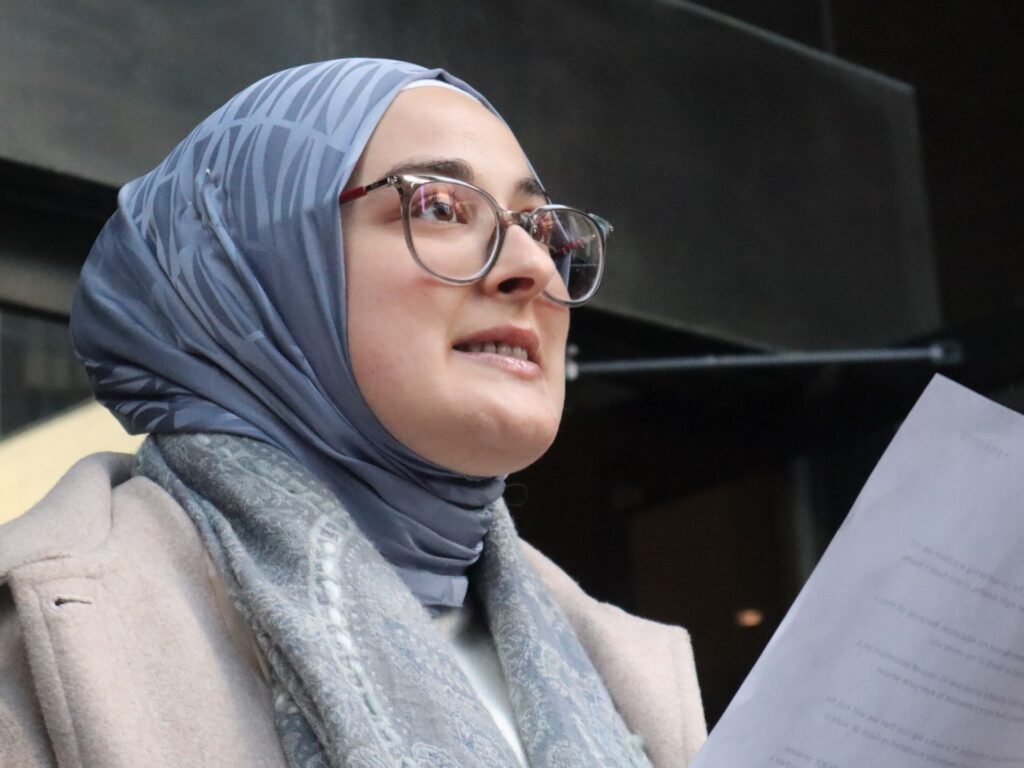
Rumeysa Ozturk, a scholar known for her work and activism, has made the significant decision to return to Turkiye following increased pressures and a deportation push under the Trump administration. This move underscores the broader challenges faced by immigrants and scholars in the United States during this politically charged era. Ozturk cited her desire to avoid losing more time to what she described as state-imposed violence and hostility as a primary reason for her decision. The Trump administration’s stringent immigration policies have had widespread impacts on many individuals, particularly those who are outspoken or engaged in activism. Ozturk’s departure highlights how these policies have influenced not only general immigrants but also members of the academic and activist communities. Her return to Turkiye marks a turning point in her career and personal journey, as she seeks to continue her work in a more supportive and less hostile environment. This decision reflects a growing trend among some immigrants facing difficulties under tough immigration enforcement regimes. Observers note that such moves may have long-lasting impacts on the cultural and intellectual landscape of countries like the U.S., which have traditionally been seen as destinations for talent and innovation. Ozturk’s choice also brings attention to the human side of immigration policies and the profound effects they have on individuals’ lives and aspirations. The political atmosphere under the Trump administration has been characterized by increased deportations and strict enforcement, often leading to communities feeling targeted and fearful. By choosing to leave, Ozturk aims to regain control over her time and avoid being subjected to these pressures any longer. Critics of the administration have argued that such policies not only disrupt lives but also deprive nations of valuable contributions from immigrants like Ozturk. Her story is a poignant example of the intersection between immigration policy and personal agency, showcasing the complexities faced by many in similar situations. As she continues her work from Turkiye, Ozturk remains a symbol of resilience and commitment to her goals, despite the challenges posed by external political forces. Her narrative also raises important questions about the future of immigration reform and the potential for more humane and supportive policies. Many advocate for approaches that recognize the importance of immigrants to society and foster environments where they can thrive without fear. Ozturk’s experience highlights the broader discourse on immigration, reflecting both individual struggles and systemic issues. Her decision may inspire others facing similar circumstances to reconsider their options and seek environments better suited to their personal and professional needs. The dynamic between host countries and immigrants continues to evolve, influenced by policy changes and political climates worldwide. Ozturk’s return to Turkiye is a reminder of the global nature of these issues and the importance of thoughtful and compassionate policymaking. In sum, Rumeysa Ozturk’s choice to return home amidst a climate of deportation pressures exemplifies the challenges and decisions faced by many today, offering a human perspective on the impact of political policies and the resilience of those affected.