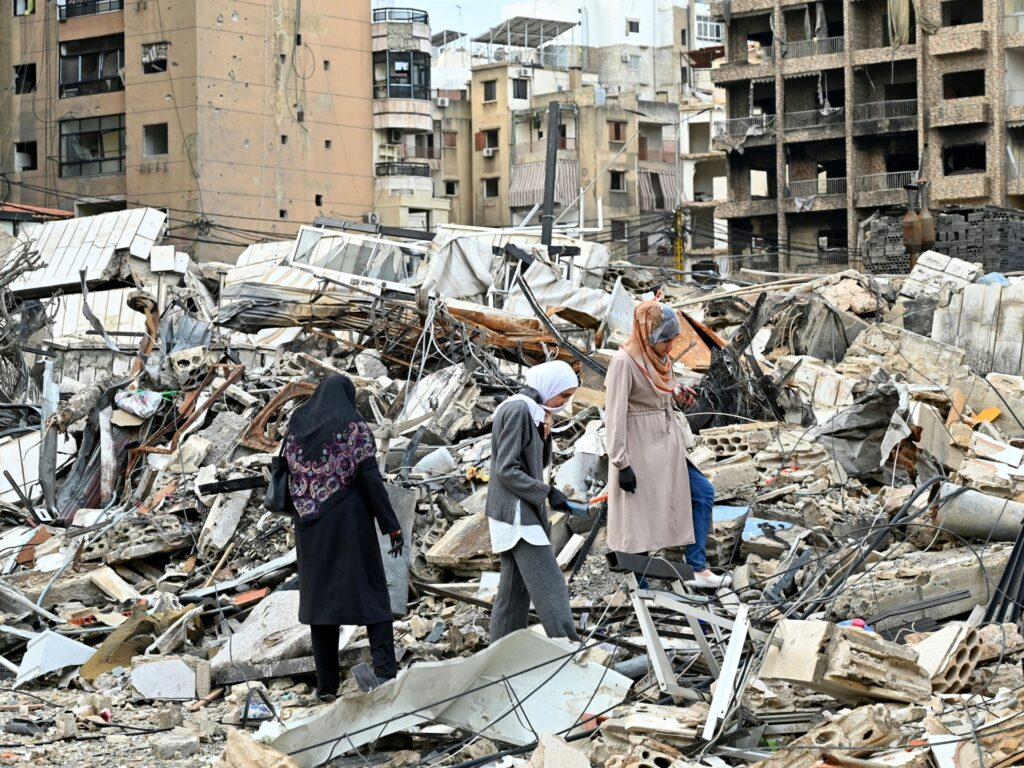
The recent statements praising Lebanese banker Antoun Sehnaoui for his support of Israel have ignited a significant controversy in the Middle East. Morgan Ortagus, a former Trump administration envoy, described Sehnaoui as a “committed Zionist,” a characterization that has sparked backlash given the historically fraught relations between Lebanon and Israel. This development comes during a period of heightened tension, notably marked by Israel’s recent attacks on Lebanese territory.
Antoun Sehnaoui, a prominent figure in Lebanon’s banking and business sectors, has occasionally been a subject of debate regarding his political and ideological stances. The endorsement by Ortagus, who served as the U.S. State Department spokesperson and holds a strong pro-Israel position, amplifies the scrutiny on Sehnaoui’s affiliations and public posture. Ortagus’s remarks were particularly provocative given the timing, as they coincided with military actions by Israel against Lebanon, leading to criticism from various Lebanese factions and regional observers.
Lebanon and Israel have a complex and hostile history, with no formal diplomatic relations and several conflicts over the decades. Lebanon is home to powerful political and militant groups that vehemently oppose Israel, such as Hezbollah. In this context, any Lebanese figure openly supporting or praised for supporting Israel is naturally contentious and politically sensitive.
Supporters of Sehnaoui argue that his business initiatives and personal views could foster dialogue and economic cooperation that might contribute to easing long-standing regional animosities. They point to his role in promoting stability through economic development in Lebanon and the broader Middle East.
Critics, however, perceive his alleged Zionist leanings as a betrayal of Lebanese national interests and solidarity with Palestinian and Lebanese causes. This camp stresses that any endorsement of Israel, particularly amid ongoing Israeli military operations in Lebanon, undermines the collective Lebanese identity and resistance against perceived aggression.
The controversy underscores the deeply polarized nature of Middle Eastern politics, where individual affiliations often get entangled with nationalistic and sectarian sensitivities. In Lebanon’s fragmented political landscape, endorsements or accusations related to Israel can lead to intense public debates and political repercussions.
Morgan Ortagus’s comments have amplified calls from various Lebanese political leaders and commentators for a clarification or denial from Sehnaoui himself. So far, the banker has remained relatively silent on the issue, which some interpret as a strategic silence to avoid inflaming further discord.
This episode also reflects the broader challenges of regional politics, where alliances and enmities are fluid and impacted by external influences, including U.S. foreign policy stances. The Trump administration’s overt support for Israel has left a lasting imprint, influencing how figures like Sehnaoui are perceived both domestically and internationally.
As the situation evolves, it remains to be seen whether this controversy will lead to a broader dialogue on Lebanon-Israel relations or will deepen existing divides. For now, Antoun Sehnaoui’s position and the reaction it has sparked represent a microcosm of the enduring and complex Middle East conflict, where identity, politics, and allegiance intersect in often unpredictable ways.