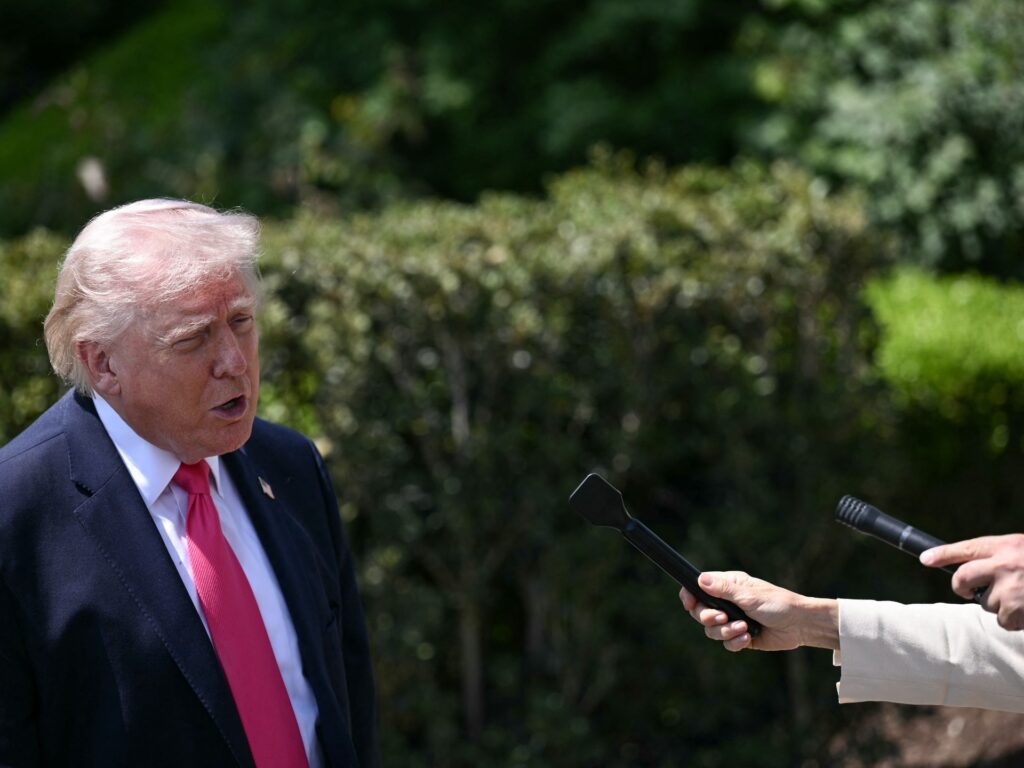
In recent developments, Pakistan’s civilian and military leaders have been actively engaging in diplomatic efforts between major capitals to facilitate a potential nuclear compromise between Iran and the United States. This comes at a time when former US President Donald Trump has publicly stated that a deal with Iran is ‘close,’ raising hopes for a breakthrough in a long-standing and complex international issue.
Pakistan, owing to its unique regional position and historical ties with both Iran and the United States, could play a pivotal role in mediating this nuclear negotiation. The country’s leadership has been observed shuttling between Tehran, Washington, and other influential capitals, aiming to bridge gaps and foster a communicative environment conducive to compromise.
Trump’s indication of possibly visiting Islamabad to sign such a deal highlights Pakistan’s importance in this geopolitical equation. It underscores Islamabad’s potential to act as an intermediary that not only facilitates dialogue but also ensures that any agreement reached addresses the security concerns and interests of all involved parties.
The Iran-US nuclear tension has been a focal point of international diplomacy for over a decade, centered around concerns of nuclear proliferation and regional stability. The possibility of a diplomatic resolution would mark a significant shift in Middle Eastern geopolitics and global non-proliferation efforts.
Pakistan’s diplomatic efforts could influence key aspects of the deal, including verification measures, sanctions relief conditionality, and nuclear program limitations. Moreover, a successful compromise could enhance Pakistan’s stature as a strategic diplomatic player capable of navigating complex international issues beyond its immediate regional challenges.
However, challenges remain. The US and Iran have deep-seated mistrust, and internal political dynamics in Iran, the US, and Pakistan could affect the negotiation trajectory. Additionally, the involvement of other regional actors and global powers adds complexity to the negotiation environment.
Nonetheless, Islamabad’s willingness to engage and the optimistic signals from Washington provide a hopeful context for progress. A deal facilitated or signed in Pakistan could symbolize a new chapter in diplomatic engagement and conflict resolution, signifying the country’s growing diplomatic influence.
As the situation develops, careful monitoring of Pakistan’s diplomatic activities and statements from the involved parties will be critical. The international community watches closely, hopeful that these efforts will culminate in a durable and peaceful resolution to one of the most pressing nuclear challenges of our time.