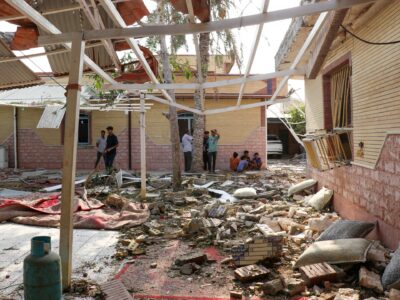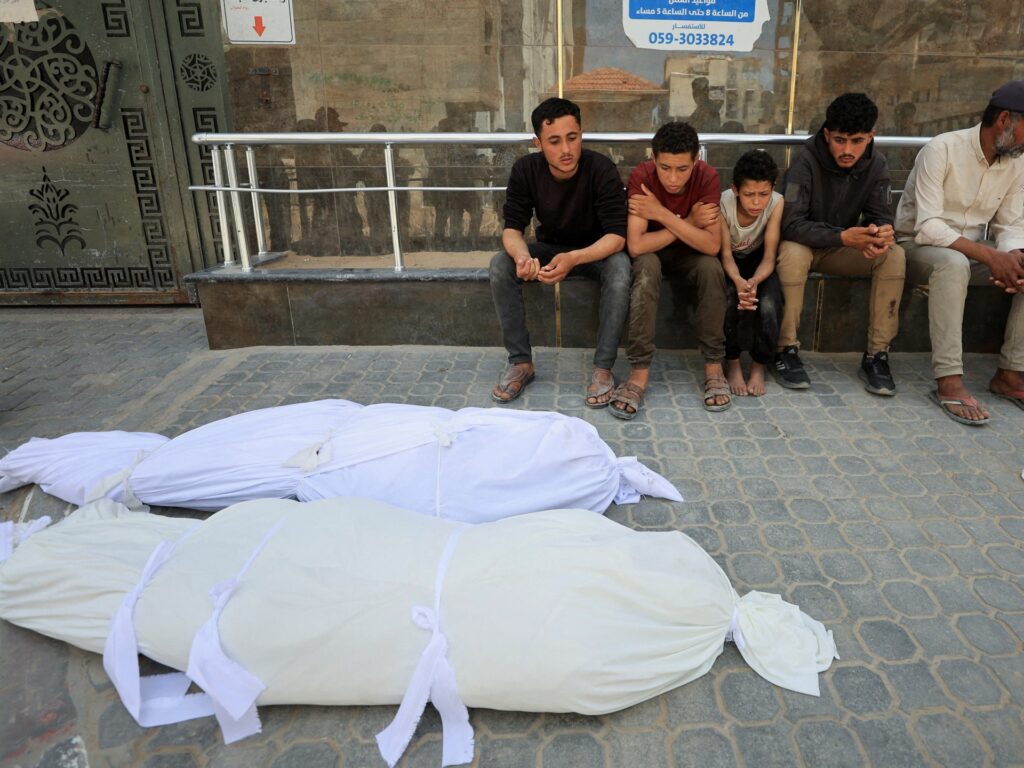
Over the past two days, violence has escalated significantly in Gaza, leading to multiple casualties despite a proclaimed ceasefire. Israeli attacks have caused the deaths of several individuals, raising urgent concerns about the fragile nature of the truce and the ongoing conflict in the region. The situation remains tense as clashes continue to erupt, undermining efforts to establish lasting peace.
In addition to the violence in Gaza, unsettling reports have emerged from the occupied West Bank, where Israeli settlers have been accused of torching vehicles and attacking homes. Activists note a disturbing pattern of aggression against Palestinian communities, exacerbating the humanitarian crisis and deepening divisions.
The recent surge in violence highlights the complexity and volatility of the Israeli-Palestinian conflict. Despite international calls for restraint and negotiations, on-the-ground realities show a persistent cycle of retaliation and unrest. The ceasefire, intended to halt hostilities and pave the way for dialogue, has yet to take firm hold.
Residents of Gaza have expressed fear and uncertainty as airstrikes and shelling have disrupted daily life, destroying infrastructure and leaving many displaced. Medical facilities are overwhelmed, and aid organizations are struggling to provide necessary assistance amidst the fighting.
Meanwhile, in the West Bank, the targeting of Palestinian property and homes by settlers has increased tensions and prompted condemnations from various human rights organizations. The violence in these areas compounds the difficulties faced by Palestinians trying to live securely under occupation.
The international community continues to call for an immediate cessation of violence and a return to peace talks. Leaders from various countries have urged both sides to respect the ceasefire, protect civilians, and work towards a sustainable resolution to the conflict.
Humanitarian groups are mobilizing to address the urgent needs of those affected by the recent hostilities. Efforts include providing emergency medical care, shelter, and food supplies to displaced families. However, ongoing security challenges hamper the delivery of aid.
The recent incidents underscore the fragile state of peace in the region and the urgent need for renewed diplomatic efforts. Only through sustained dialogue and mutual cooperation can a path to stability and coexistence be achieved.
As both sides navigate this dangerous period, the hope remains for a future where violence is replaced by understanding, and where all people in the region can live with dignity and security. Meanwhile, vigilance and international support will be critical in preventing further escalations and promoting reconciliation.