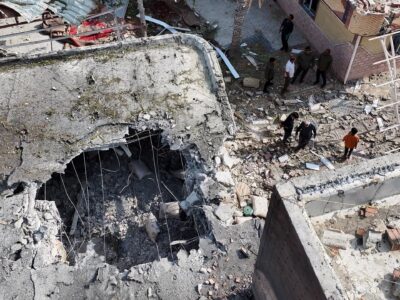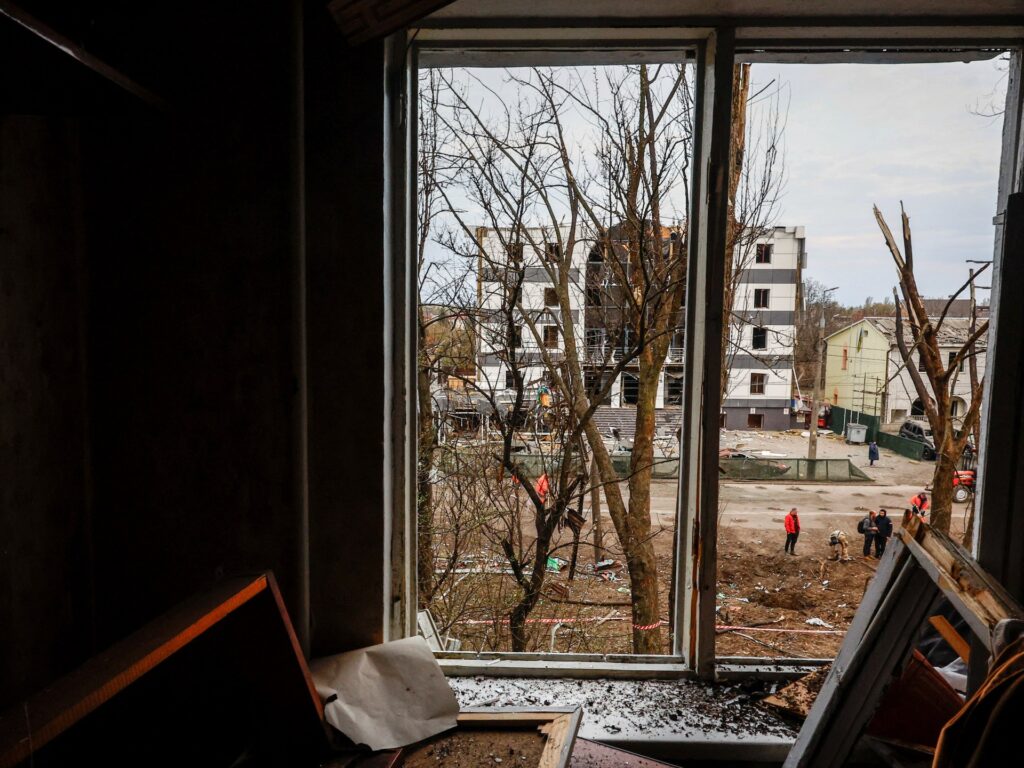
Kyiv, the capital of Ukraine, has recently been struck by a series of deadly missile attacks that have brought renewed attention to the country’s defense vulnerabilities, particularly a critical shortage of ballistic missile interceptors. These attacks underscore the ongoing threats Kyiv faces amid the broader conflict with Russia.
According to reports, the missile assaults have resulted in significant casualties and property damage, shaking the city and its residents. The attacks come at a time when Ukraine’s missile defense capabilities are stretched thin, revealing gaps that have left the capital particularly exposed.
Al Jazeera’s reporter Audrey Macalpine highlights that the shortage of ballistic missile interceptors—a key element in Ukraine’s air defense system—has critically compromised the ability to adequately defend Kyiv against incoming missile threats. Interceptors are designed to detect, track, and destroy ballistic missiles before they reach their targets, and their scarcity poses a dire challenge amid escalating hostilities.
This shortage stems from a combination of factors, including the high demand driven by continuous missile launches, production limitations, and logistical constraints. While Ukraine has received some military assistance from allied countries, it has yet to fully bridge the gap between the quantity of interceptors available and those required to fend off persistent missile barrages.
Experts warn that the lack of sufficient interceptors not only endangers civilians in Kyiv but also risks undermining the strategic defense posture of Ukraine, particularly as Russia continues its aggressive military campaign. This environment has forced Ukrainian defense forces to make difficult decisions regarding the allocation of limited resources.
Ukrainian officials have called upon international partners to expedite the delivery of additional missile defense systems and interceptors to bolster Kyiv’s defenses. The urgency of this military aid reflects the escalating intensity of attacks and the critical importance of protecting the capital city and its population.
The missile attacks on Kyiv are part of a broader pattern of aggression aiming to destabilize Ukraine and erode its ability to resist. For civilians, the strikes bring trauma and instability, with many seeking shelter and bracing for potential future escalations.
As the conflict endures, the challenges of missile defense logistics, production, and deployment will remain central to Ukraine’s ability to safeguard its key urban centers. The situation in Kyiv exemplifies the complex interplay between military technology, international support, and the harsh realities of modern warfare.
In conclusion, Kyiv’s recent missile attacks highlight the pressing need for enhanced missile defense capabilities. Without a rapid infusion of interceptors and advanced defensive systems, Ukraine’s capital remains vulnerable to ongoing threats, underscoring the critical nature of international military cooperation during this turbulent period.