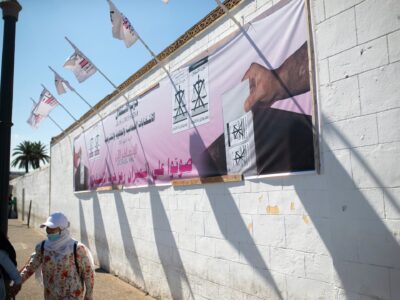
The eastern Indian state of West Bengal is bracing for crucial elections amid escalating controversy surrounding the recent revision of voter lists. This development has stirred widespread anger and concern, with allegations that millions of Muslims have been disenfranchised. Critics argue that the revised electoral rolls intentionally exclude significant numbers of Muslim voters, raising fears about the democratic integrity of the forthcoming polls.
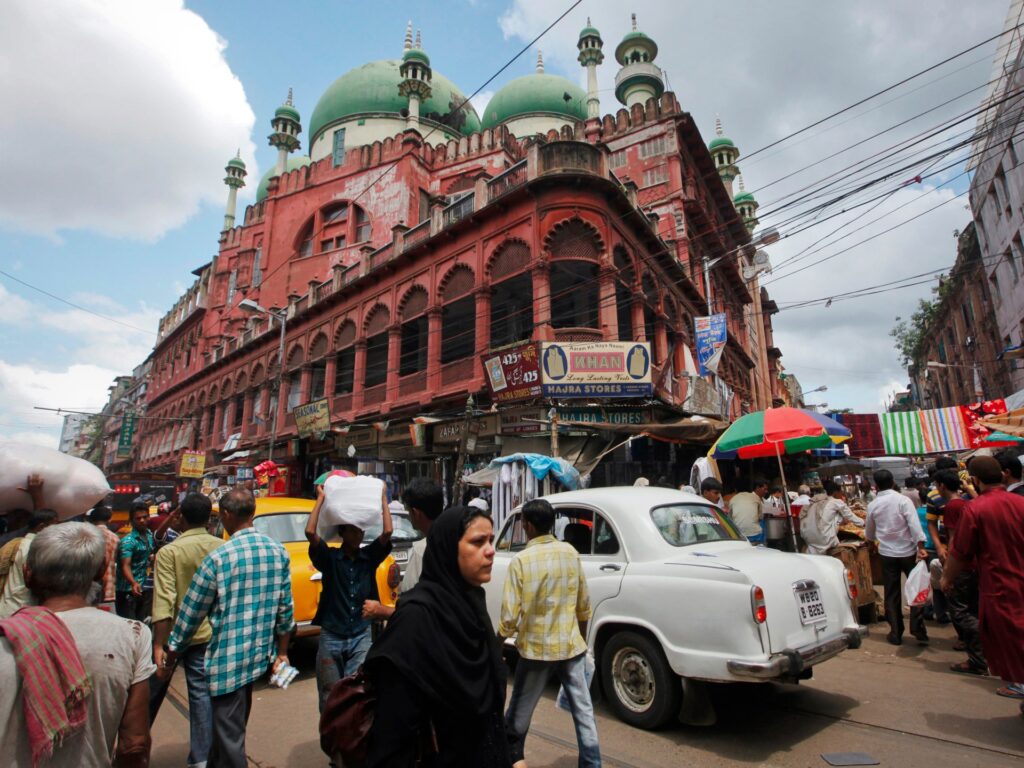
West Bengal, a state with a substantial Muslim population, has always been a politically sensitive region. The current electoral exercise has been overshadowed by the fear that the voter list revision may disproportionately affect Muslim citizens. Observers and various civil rights groups have expressed outrage, suggesting that these exclusions may alter the electoral landscape by diminishing Muslim participation.
The voter list revision is conducted periodically to update and cleanse the electoral rolls, removing deceased voters and adding new eligible participants. However, this particular revision has been criticized for allegedly using flawed criteria or biased verification processes that could unfairly disqualify Muslim voters. Such actions, if true, raise serious questions about voter suppression strategies and the political motive behind them.
Many Muslim families and communities have reported that their names and those of their relatives have mysteriously vanished from the official lists, despite maintaining necessary documentation. This sudden disenfranchisement has left many feeling marginalized and politically impotent, triggering protests and demands for immediate rectification.
Election authorities, however, insist that the revision process is impartial and mandated by law. They emphasize that any removal results from rigorous verification and that all eligible voters have the opportunity to appeal and be reinstated. Government officials argue this is a routine exercise to ensure electoral integrity and prevent fraudulent voting.
Political analysts point out that the timing of this mass revision, just ahead of high-stakes state elections, is suspicious and likely to impact electoral outcomes. The Muslim vote has historically been a significant factor in West Bengal’s political contests, often influencing the balance of power among parties.
The controversy comes amidst a broader national debate on citizenship, nationalism, and communal identity in India. Past legislative changes and policies in the country have sparked concerns over minority rights and social cohesion, with voter list controversies adding fuel to these tensions.
International human rights organizations have called upon the Indian government to ensure free and fair elections without discrimination. They warn that disenfranchisement of any community based on religion undermines democratic principles and could lead to social unrest.
As West Bengal prepares for its elections, the spotlight on voter list revision raises crucial questions about equality, representation, and the true inclusiveness of India’s democracy. The outcome of these developments will not only affect this key state but also set precedents for electoral processes across the nation.
In conclusion, the allegations of mass exclusion of Muslims from voter lists in West Bengal have sparked fury and concern over the fairness of upcoming elections. The situation underscores the fragile nature of democracy and the ongoing challenges in safeguarding electoral rights for all citizens, irrespective of religion. The coming days will reveal how the authorities address these grievances and whether the voice of every eligible voter in Bengal can be heard in the democratic process.