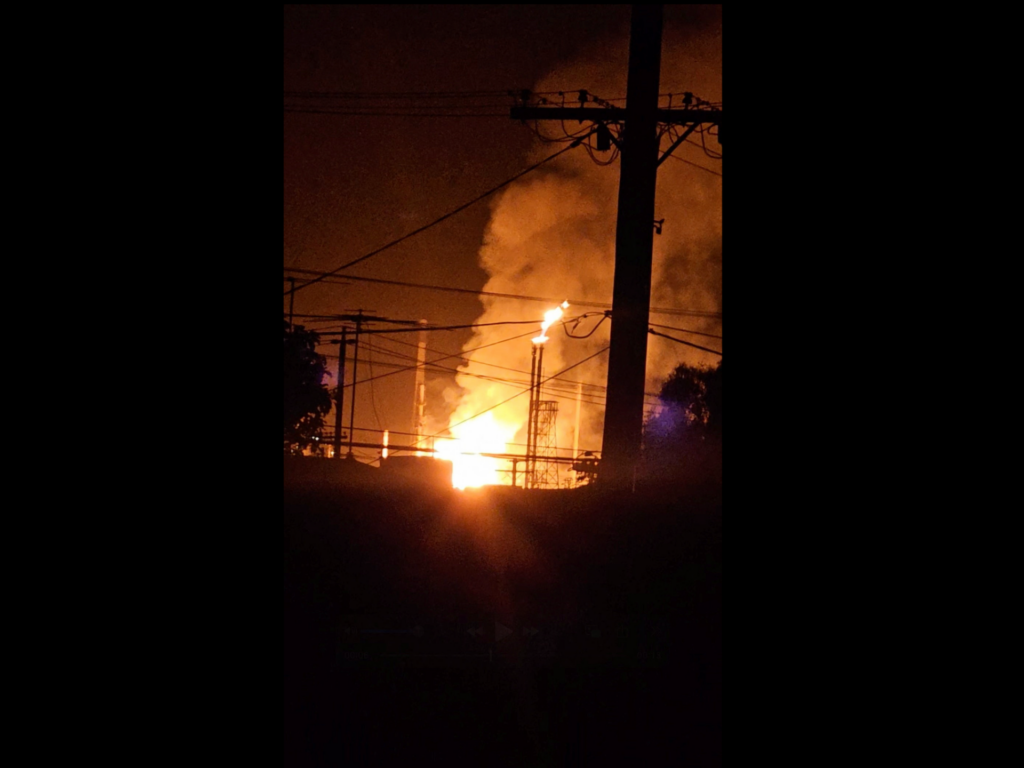
A major fire has erupted at a crucial refinery in Australia, significantly disrupting fuel production and raising concerns about potential fuel shortages across the nation. The refinery plays a vital role in supplying fuel, and the incident comes at a delicate time when global fuel supplies are already strained, partly due to ongoing conflicts affecting oil production and distribution.
The fire, which started unexpectedly, has caused extensive damage to refining equipment, forcing the plant to halt operations temporarily. Authorities and refinery officials are working to control the blaze and assess the full extent of the damage. Initial reports suggest that repair and recovery efforts could take weeks, if not months, further aggravating supply chain vulnerabilities.
Australia relies heavily on domestic refineries for its fuel needs, and any disruption can cause ripple effects on prices and availability. The timing of this incident coincides with international fuel shortages attributed to the war in Iran, where geopolitical tensions have limited oil exports and tightened global supply.
Fuel shortages in Australia could affect multiple sectors, including transportation, agriculture, and emergency services, potentially leading to increased costs for consumers and businesses. Experts warn that if the situation persists without swift resolution, it could lead to rationing or increased imports, which may not fully offset the gap.
The government has pledged to monitor the situation closely and explore contingency plans to stabilize supply. This includes considering the release of strategic fuel reserves and enhancing import agreements with other nations. However, logistical challenges remain given the global market dynamics and the impact of geopolitical conflicts.
The fire at the refinery highlights the vulnerability of local fuel infrastructure to unforeseen events, underscoring the need for diversified energy sources and improved resilience measures. Industry stakeholders are calling for accelerated investment in alternative energy and improved safety protocols to mitigate future risks.
In the meantime, consumers are advised to conserve fuel where possible and stay informed about local supply updates. The situation remains fluid, and authorities are prioritizing safety and swift restoration of refinery operations to minimize disruption.
This incident adds another layer of complexity to an already tense global fuel market, demonstrating how localized events can have widespread repercussions, especially during periods of international instability and conflict such as the Iran war.