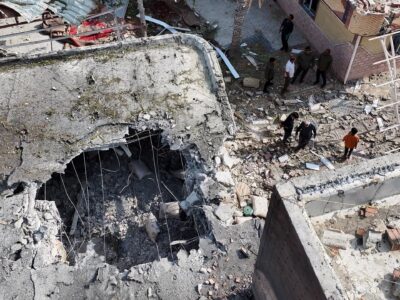
Amid escalating tensions and upcoming diplomatic negotiations with the United States, Iran has formally demanded compensation amounting to $270 billion for damages it attributes to attacks by the US and Israel. These claims relate to destruction affecting Iran’s critical infrastructure, which Tehran asserts have severely impacted its economy and national security.
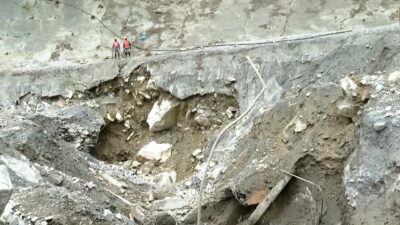
Iran accuses the United States and Israel of orchestrating a series of attacks over recent years that have targeted its infrastructure facilities. This includes damage to energy sectors, transportation networks, and other vital installations crucial for the country’s economic stability.
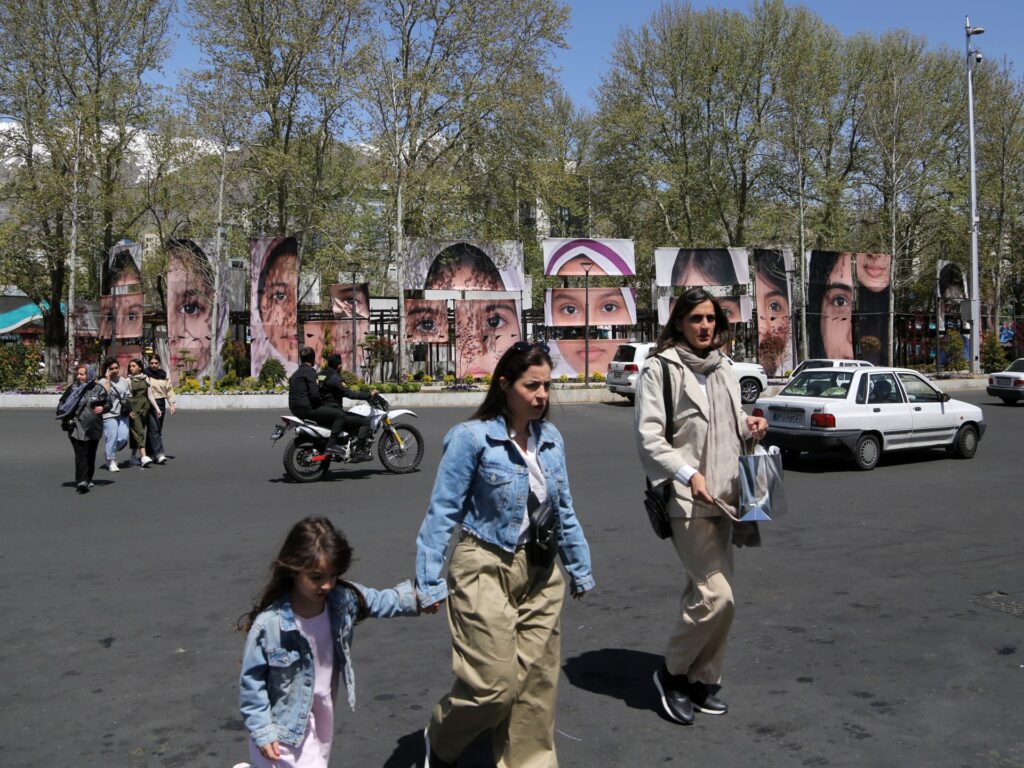
Officials in Tehran emphasize that the losses sustained go beyond monetary value, highlighting human suffering and disruption of public services as collateral effects. They argue that such consequences must be properly recognized and addressed to pave the way for meaningful dialogue.
The demand for compensation comes as fresh talks between Iran and the US are on the horizon. Diplomatic experts view these discussions as critical for defusing prolonged hostility and potentially reviving aspects of the nuclear deal, which had been the pivot for regional and international relations.
Iranian authorities have called on the international community to support their claims, suggesting that accountability for wartime damages is essential to uphold international law and justice. They claim that failure to redress these grievances might hinder any progress in future negotiations.
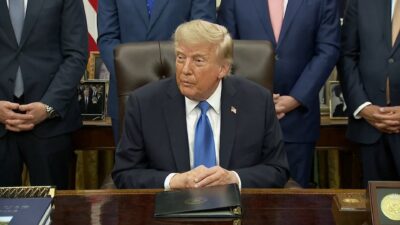
The US government, while preparing for talks, has not officially responded to Iran’s compensation demand. Analysts speculate that this issue could become a contentious point, complicating efforts to achieve mutual understanding on broader security and economic matters.
Observers note that the compensation figure presented by Iran is unprecedented and reflects the scale of perceived damages felt by the country. This development underscores how intertwined economic reparations and geopolitical negotiations have become in this complex regional dispute.
As both sides prepare for dialogue, the international community watches closely, aware that the outcomes could significantly influence stability and economic recovery prospects in the Middle East. The challenge remains in balancing grievances with diplomatic initiatives aimed at fostering peace and cooperation.
In conclusion, Iran’s call for war-related compensation ahead of renewed talks with the US highlights the ongoing difficulties faced by both nations. It remains to be seen whether this issue will be resolved amicably or become a further stumbling block in the pursuit of reconciliation and regional harmony.