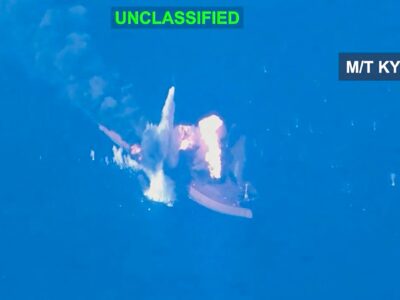
Tensions in the Strait of Hormuz have escalated significantly as the United States has imposed a naval blockade, targeting Iranian shipping and restricting access through this critical waterway. The Strait of Hormuz is a strategic chokepoint through which a substantial portion of the world’s oil supply is transported, making any disruption a matter of global economic concern.
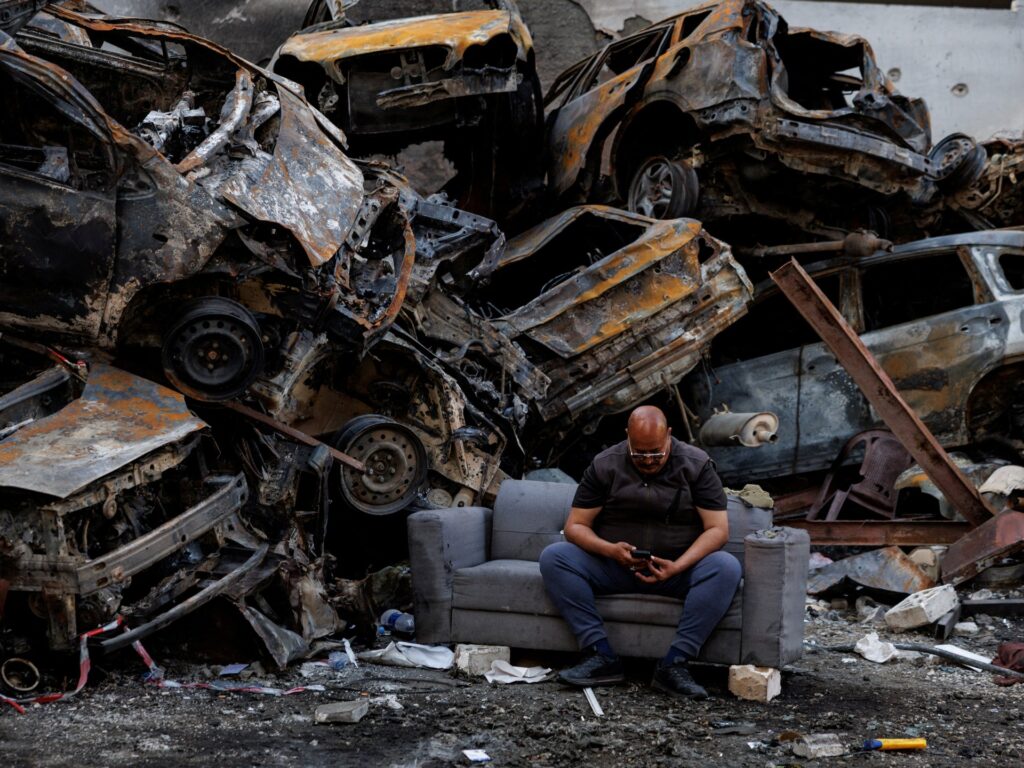
The blockade has sparked fierce responses from Iran, which accuses the US of piracy and unlawful aggression. Thousands of demonstrators gathered in Tehran to protest against the US naval operations, expressing strong nationalistic sentiments and opposition to what they describe as an illegal and hostile act against their sovereignty and Iran’s right to secure passage through vital maritime routes.
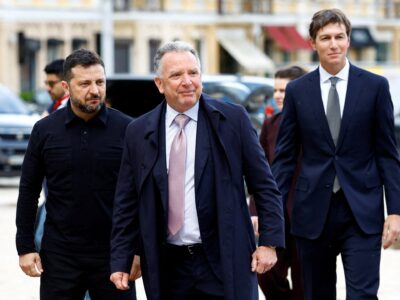
Amid these hostile developments, former US President Donald Trump has publicly stated that Tehran is interested in negotiating a deal. Trump’s remarks come as a surprising counterpoint to the escalating conflict, suggesting that the Iranian government may be seeking to de-escalate tensions through diplomacy despite the heightened military posture.
Iranian officials, however, have largely dismissed US rhetoric, framing the blockade and naval actions as acts of piracy aimed at strangling Iran’s economy and undermining regional stability. The accusation of piracy highlights the severity with which Iran views the blockade, equating US actions to criminal seizures of vessels in international waters.
The international community watches nervously as the situation unfolds. The US blockade raises fears of a wider conflict that could disrupt global oil markets and escalate into direct military confrontation. Allies and partners of both nations have called for restraint and dialogue to avert a worsening crisis.
Analysts emphasize the strategic calculus behind the US blockade, intended to apply economic pressure on Iran and limit its ability to project power regionally. Conversely, Iran’s robust public demonstrations and denunciations signify its resolve not to concede to what it considers unjust external pressures.
In the backdrop, global powers continue to assess their positions, with some urging renewed diplomatic efforts to revive stalled negotiations on Iran’s nuclear program and regional security. The activities in the Strait of Hormuz underscore the fragility of peace and the complexities of maintaining stability in one of the world’s most geopolitically sensitive regions.
As events develop, the potential for dialogue remains a crucial factor. Trump’s comment that Iran wants a deal, if leveraged effectively, could provide a pathway toward de-escalation. However, entrenched mistrust and the intensity of current military deployments present formidable challenges to any immediate resolution.
The coming days will be critical as Iran and the US navigate a perilous intersection of military brinkmanship and diplomatic possibility. The world remains hopeful for a return to peaceful negotiations, recognizing that the consequences of further conflict could be dire not only for the region but for international peace and security.