The recent parliamentary elections in Hungary have resulted in a significant political shift as Prime Minister Viktor Orban’s Fidesz party conceded defeat, losing its parliamentary majority after years of dominance. This outcome has garnered extensive reactions both domestically and internationally, marking a pivotal moment in Hungary’s political landscape and potentially influencing the broader European landscape.
Viktor Orban, who has served as Hungary’s Prime Minister for over a decade, is known for his nationalist policies and his often controversial stance on issues such as immigration, media freedom, and Hungary’s relationship with the European Union. His leadership style and political agenda have been the subject of intense debate and scrutiny, both within Hungary and across Europe.
The election results indicate a desire among many Hungarian voters for change, reflecting concerns over democratic norms, economic policy, and Hungary’s place in the European community. Early results showed Orban’s Fidesz party failing to secure the necessary parliamentary majority to form a government, a development that has significant implications for the country’s future governance.
Internationally, leaders and political analysts have taken note of this shift. European Union officials have reacted cautiously optimistic, viewing the election as an opportunity to reset relations between Hungary and EU institutions, which have often been strained under Orban’s leadership. Some member states see this as a chance for Hungary to align more closely with EU values regarding democracy and rule of law.
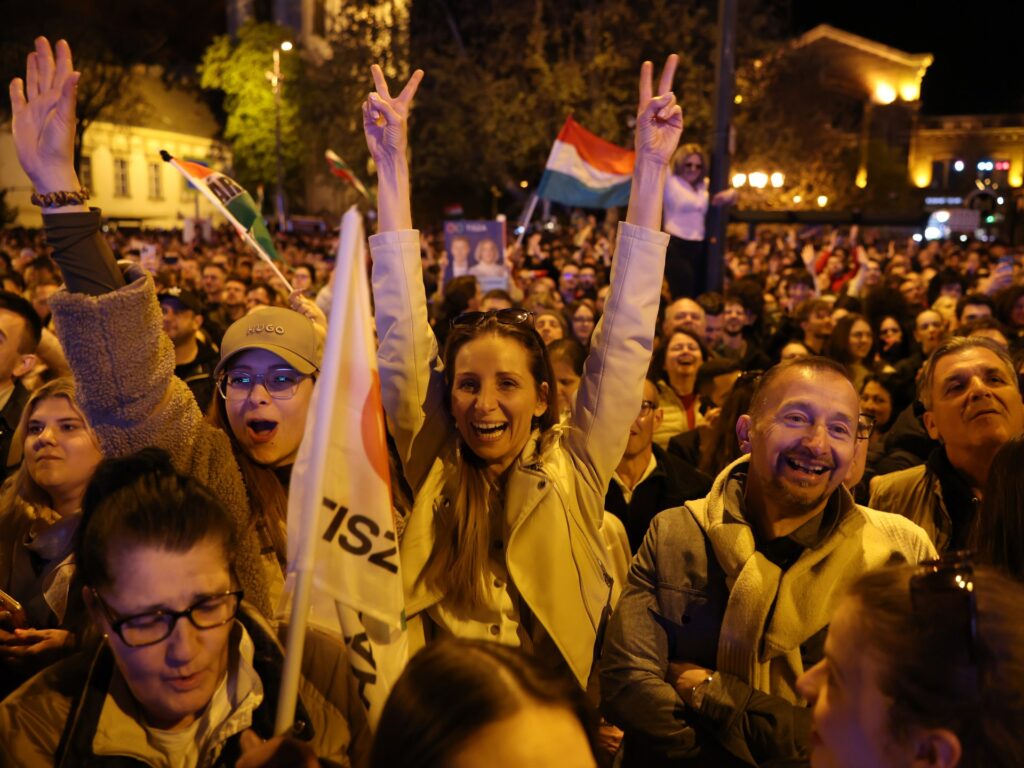
Within Hungary, the opposition parties have hailed the election outcome as a triumph for democracy and a mandate to implement political reforms. However, Orban’s supporters have expressed concerns about stability and continuity, emphasizing the need for a measured transition of power to ensure ongoing economic and social policies remain effective.
The election defeat also raises questions about the future direction of Hungary’s domestic and foreign policies. With Orban stepping down, new leadership is expected to re-evaluate key policies on immigration, media freedom, and Hungary’s role on the international stage.
Experts suggest the election could lead to a rebalancing of Hungary’s political institutions and greater engagement with Western allies. There is anticipation around how the new government will address ongoing challenges such as economic growth, social welfare, and integration within the EU framework.
In summary, Viktor Orban’s election defeat marks a significant turning point for Hungary. It signals the end of an era defined by his brand of populist nationalism and opens the door for potential reforms and realignment with European standards of democracy and governance. The global community continues to watch closely as Hungary navigates this transition, with expectations that the change in leadership will foster renewed dialogue and cooperation across the continent.