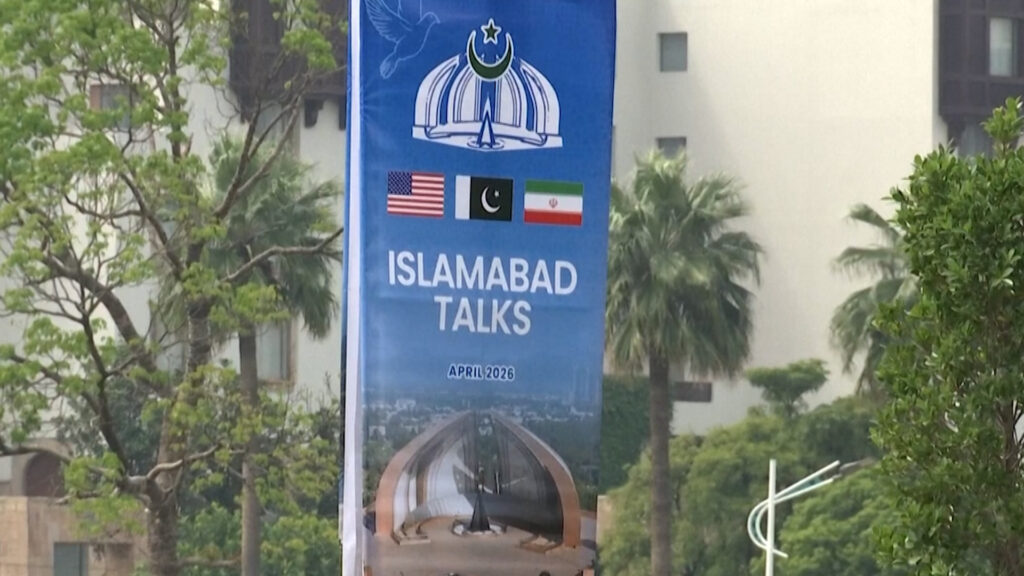
The latest round of talks between the United States and Iran have concluded without a formal agreement, yet sources in Pakistan indicate that significant progress has been made. Despite the absence of a final deal, this development suggests that the dialogue between the two nations may be more constructive than previously assumed.
The US-Iran relationship has long been fraught with tension, marked by years of sanctions, diplomatic standoffs, and mutual distrust. These recent discussions represent a critical opportunity to thaw relations, potentially paving the way for future agreements on various contentious issues.
Officials from both sides have remained cautiously optimistic throughout the talks, emphasizing that while a complete deal was not reached, the groundwork for future negotiations has been strengthened. Analysts point to the fact that even initiating substantive discussions is a positive signal, considering the deep-seated challenges involved.
One of the key areas of contention remains Iran’s nuclear program, which the international community closely monitors. The US aims to ensure Iran’s compliance with nuclear non-proliferation commitments, while Iran seeks relief from crippling sanctions that have impacted its economy.
Progress in talks, as reported by Pakistani sources, could indicate that both parties are beginning to bridge some gaps, possibly agreeing on a framework for continued dialogue. This might include phased solutions where sanctions relief coincides with specific verifiable steps taken by Iran.
However, skeptics caution against premature optimism, noting that previous rounds of negotiations have stalled over the same issues. The political climate in both Washington and Tehran remains complex, with hardline factions exerting pressure that could derail future talks.
Looking ahead, the US and Iran may explore confidence-building measures to maintain momentum. These could involve smaller agreements on humanitarian issues or prisoner exchanges, aimed at fostering trust.
Moreover, international mediators and regional stakeholders could play an essential role in facilitating ongoing communication. Countries like Pakistan have already demonstrated a willingness to act as interlocutors, and their involvement might prove vital in overcoming impasses.
The unfolding situation underscores the importance of diplomacy in addressing one of the most volatile geopolitical conflicts. While the absence of a deal is a setback, the reported progress encourages a cautious hope that dialogue may continue.
For the global community, a successful US-Iran reconciliation would have far-reaching implications, potentially stabilizing the Middle East and opening new avenues for cooperation.
In summary, although the recent US-Iran talks ended without a formal agreement, progress reported by Pakistani sources suggests that the peace process is not stalled. The next steps will likely focus on building trust, exploring incremental agreements, and maintaining open channels of communication as both nations navigate a complex road toward peace.