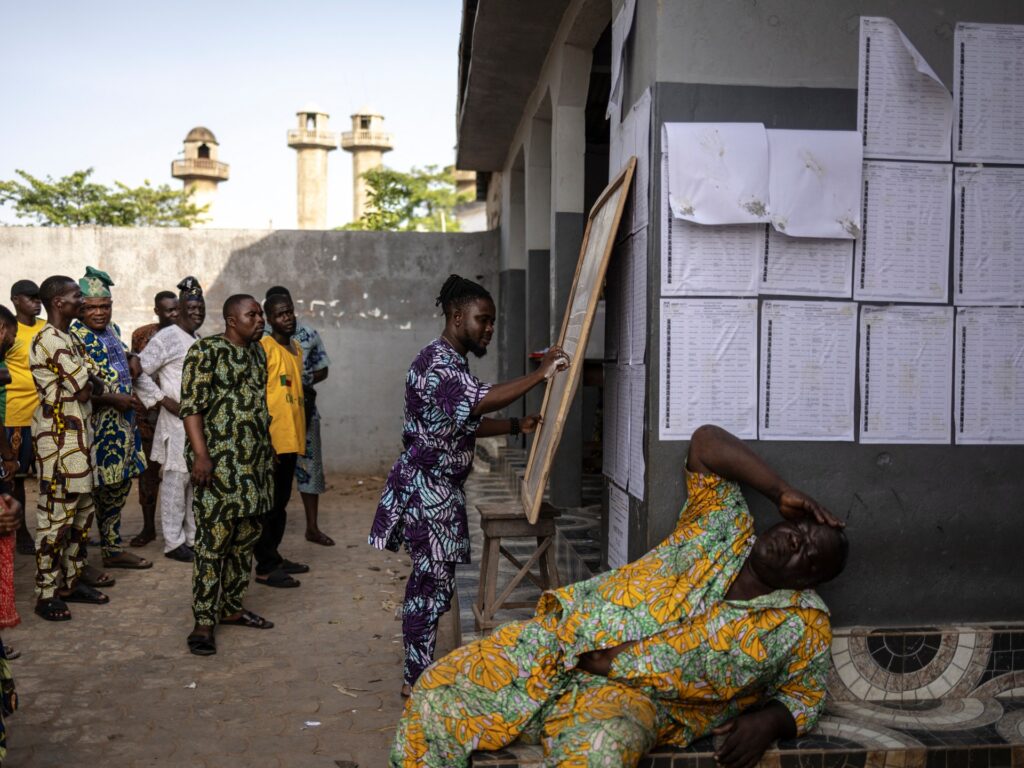
Benin has witnessed the closing of polls in a significant election marking the end of an era. Former President Patrice Talon, having served two consecutive five-year terms, has stepped down as per the constitutional term limits, paving the way for new leadership in the country. The election has drawn considerable attention both domestically and internationally, with the finance minister emerging as the frontrunner and widely expected to secure the presidency.
Patrice Talon, a prominent figure in Beninese politics, has been pivotal in shaping the country’s economic and political landscape over the past decade. His departure signals a transition period and an opportunity for fresh political initiatives and reforms.
The finance minister, known for economic expertise and a track record of managing the country’s fiscal policies, is favored by many voters seeking stability and continued economic progress. Throughout the campaign, the finance minister has promised to bolster economic growth, improve social welfare programs, and enhance infrastructure development.
Election authorities have reported that voter turnout was high, reflecting the people’s engagement in the democratic process despite challenges presented by the global pandemic. Observers have noted a peaceful electoral process with no significant incidents reported, underscoring the maturity of Benin’s democracy.
The international community has closely followed the election, affirming support for peaceful transitions of power and expressing hope for continued cooperation with the newly elected government. Local political analysts suggest that the expected victory of the finance minister could sustain Benin’s trajectory toward economic reform and political stability.
As the country awaits the official announcement of results, the election exemplifies Benin’s commitment to democratic principles and constitutional governance. For citizens, it represents a moment of both reflection on the past decade under President Talon and anticipation for the future under new leadership.
Key aspects of this election include a strong emphasis on economic policy, continuity, and addressing social challenges through effective governance. The finance minister’s anticipated win is seen as a mandate for maintaining fiscal discipline while implementing progressive social policies.
In summary, Benin stands at a crossroads with the conclusion of its recent elections. The stepping down of former President Patrice Talon after fulfilling two terms marks a historic moment, and the prospects of the finance minister ascending to the presidency signal potential for sustained economic and political stability. The nation, poised for change yet grounded in democratic tradition, moves forward with hope and cautious optimism.