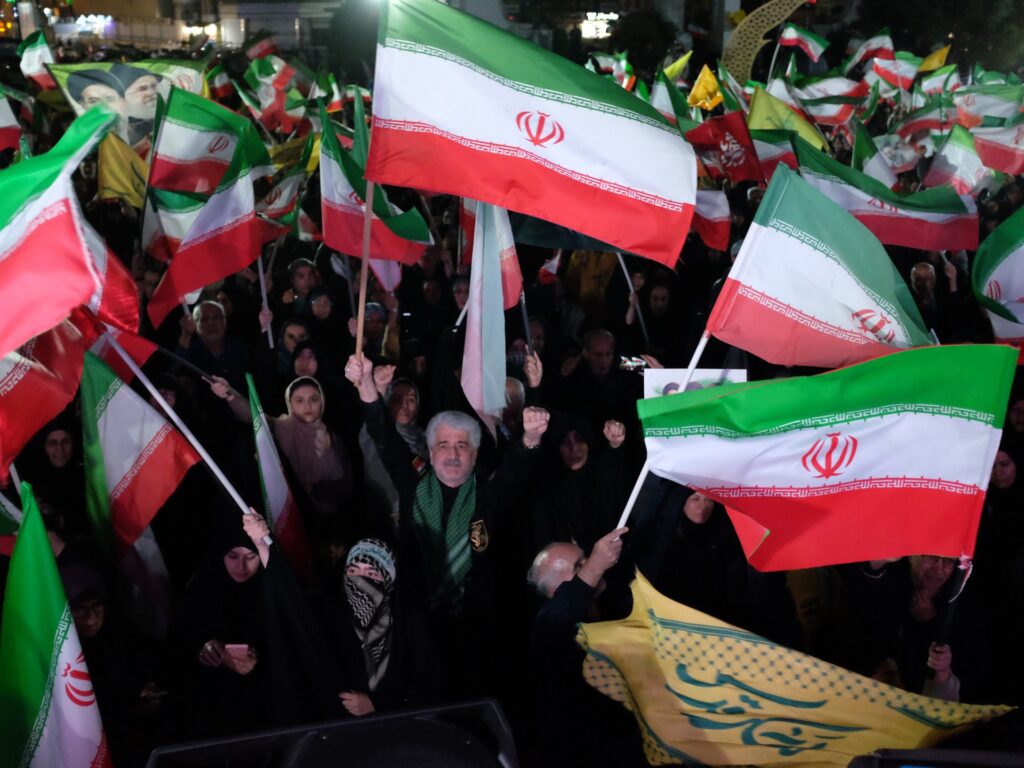
In the wake of mounting international pressures and escalating tensions, Iranian authorities have taken a firm stance, urging their supporters to remain active in the streets. This call comes as part of a broader message of defiance against what Tehran perceives as external interference and distrust in diplomatic engagements.
Mohammad Bagher Ghalibaf, a prominent Iranian official who led the country’s delegation in critical talks aimed at resolving the ongoing conflict, recently voiced significant concerns regarding the negotiation process. According to Ghalibaf, the United States delegation failed to gain the trust of their Iranian counterparts, a setback that complicates efforts to reach a peaceful resolution.
The diplomatic talks, which aimed to bring an end to the war, were characterized by skepticism and strained relations. Ghalibaf’s comments highlight the depth of mistrust that continues to hamper progress. Iran’s leadership insists that any meaningful dialogue must be built on mutual respect and genuine goodwill, elements that they accuse the US of lacking.
In response to these developments, Iranian authorities have encouraged their supporters to maintain a visible and active presence in public spaces. This movement is framed not only as a demonstration of national solidarity but also as a message to both domestic and international audiences about Iran’s resilience and determination.
The situation remains fluid, with international observers closely monitoring the unfolding events. The failure of the US delegation to secure trust marks a critical point in the diplomatic efforts, potentially prolonging the conflict and increasing regional instability.
Analysts suggest that the hardline stance taken by Iranian authorities and their call for public vigilance could be a strategic move to consolidate internal support while signaling a firm position to negotiators. The appeal to protesters to stay in the streets underscores the regime’s reliance on grassroots mobilization as a tool of political expression and resistance.
Despite the challenges, some experts advocate for renewed diplomatic engagement, emphasizing the need for confidence-building measures and open dialogue to break the deadlock. The international community continues to urge restraint and peaceful resolution, fearing that continued hostility could have broader consequences for regional and global security.
In the meantime, the streets of Iran remain a critical arena for political expression, reflecting the ongoing struggle between entrenched nationalistic sentiments and the complex realities of international diplomacy. The outcome of these dynamics will significantly impact the future direction of Iran’s domestic policies and its relations with the world.
As events develop, all eyes remain on Tehran and Washington, watching for signs of compromise or escalation. The path forward is uncertain, but the resolve of Iranian authorities to maintain their stance and the public’s involvement signal a period of sustained tension and potential transformation in the region.