The United States and Iran have once again failed to reach a peace agreement following prolonged and intense diplomatic talks held in Pakistan. The meetings, which had raised hopes of thawing relations between the two nations, ended without a conclusive deal, leaving uncertainties in the geopolitical landscape.
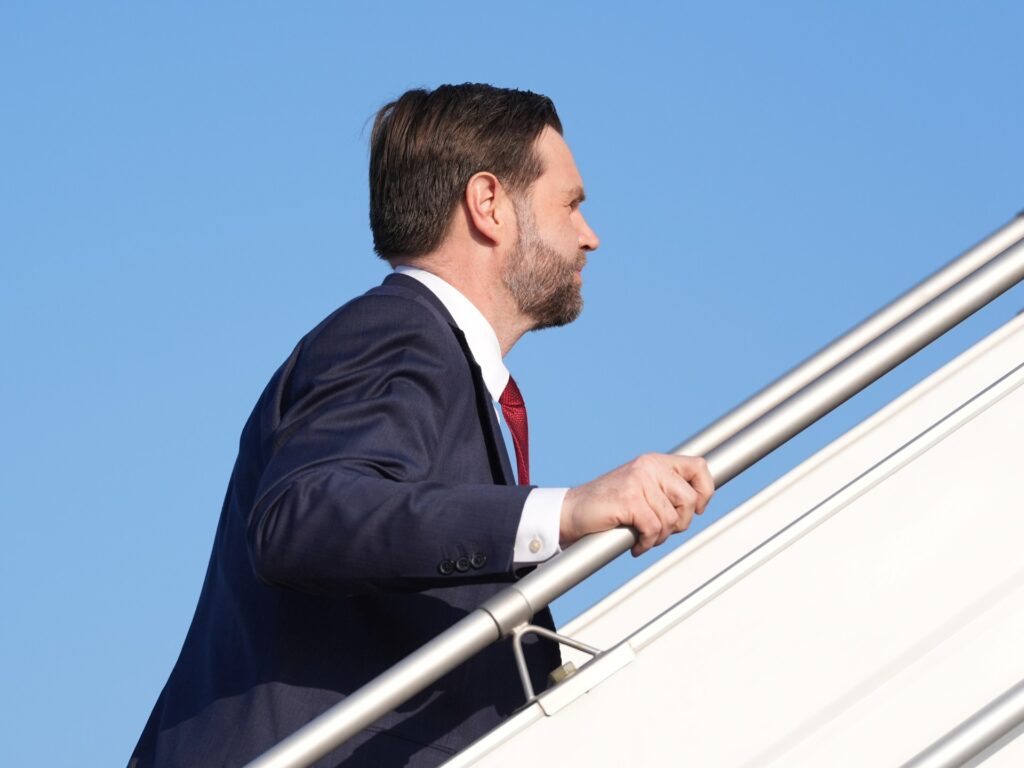
Vice President JD Vance, representing the US delegation, stated that Iran chose not to accept the terms proposed by the United States. According to Vance, the US had laid out clear conditions aimed at fostering peace and mutual cooperation, but Iran’s refusal to agree was a significant setback to the negotiation process.
On the other hand, Iranian officials highlighted a different perspective on the talks. They noted that there was no prior expectation of reaching an agreement at the very first meeting. Instead, Iran characterized the discussions in Pakistan as a step toward dialogue and understanding, emphasizing the complexities involved in resolving long-standing issues between the two countries.
The marathon talks were seen as an unprecedented attempt to engage in direct communication after years of strained relations marked by sanctions, regional conflicts, and mutual distrust. The dialogue aimed to address a wide range of issues, including nuclear activities, economic sanctions, and regional security concerns.
Analysts suggest that despite the failure to secure a deal, the very act of holding these extensive talks in a neutral venue like Pakistan indicates a mutual willingness to explore diplomatic avenues. Both sides appear to be taking cautious steps toward dialogue, despite deep-rooted disagreements.
The international community watched closely as the negotiations unfolded, hopeful that they might lead to a reduction in tensions that have significant implications for global stability. The failure to reach an agreement, however, means that existing issues remain unresolved and could potentially escalate further.
Looking ahead, experts believe that additional rounds of negotiation will be necessary. Both the US and Iran will need to navigate complicated diplomatic terrain, balancing domestic political pressures with international expectations.
The talks in Pakistan marked a significant moment in the ongoing US-Iran relations, showcasing both challenges and opportunities. While the immediate outcome was disappointing, the dialogue has opened channels that may facilitate future progress toward peace.
As both countries reflect on the discussions, the world waits to see whether diplomatic efforts can ultimately overcome the obstacles that have long impeded US-Iran relations.