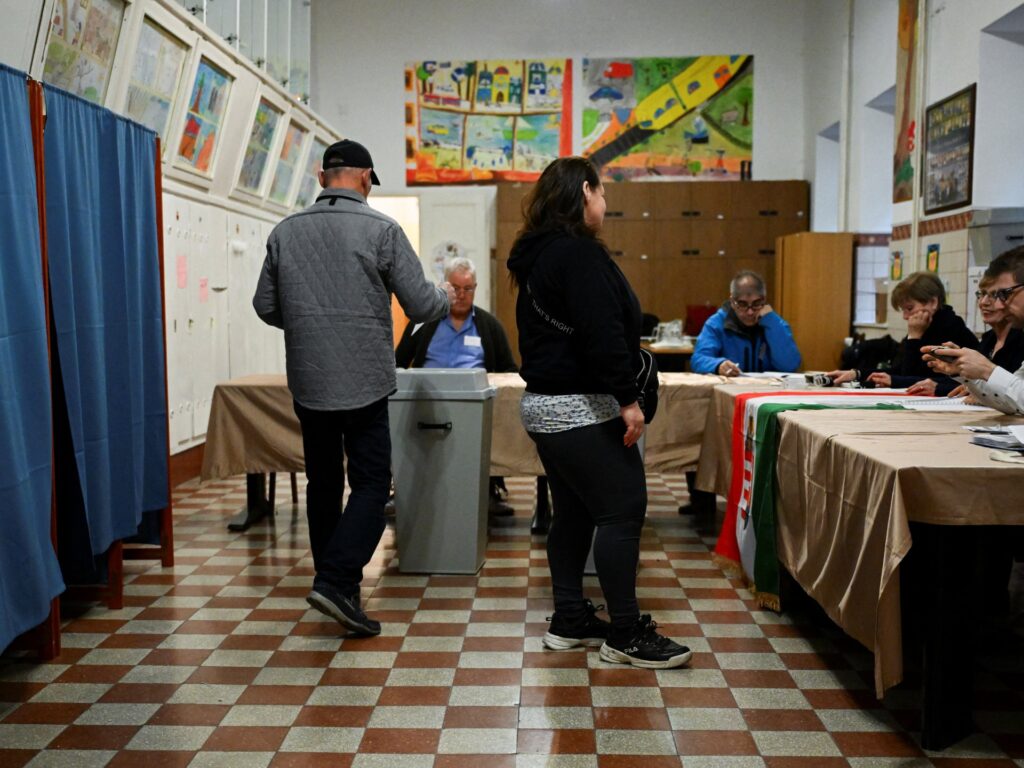
Hungary is approaching a pivotal moment as its citizens head to the polls to vote in the parliamentary election that could potentially end the 16-year rule of Prime Minister Viktor Orban. Orban, a dominant figure in Hungarian politics, has maintained a strong hold over the country since first being elected in 2010, his tenure marked by a distinctive blend of nationalist policies and centralization of power.
The current election presents perhaps the greatest challenge to Orban’s rule in over a decade and a half. Opposition parties, which have historically been fragmented, have united in an unprecedented coalition aimed specifically at unseating the incumbent prime minister. This alliance is seen by many as a historic attempt to provide a credible alternative to Orban’s ruling Fidesz party.
Under Orban’s leadership, Hungary has experienced significant political and economic changes. Supporters praise his government for strengthening the economy, fortifying national borders, and championing traditional values. Critics, however, accuse him of eroding democratic institutions, curbing press freedom, and undermining the rule of law.
The election campaign has been intense and highly polarized, with both sides mobilizing significant resources. Issues such as economic stability, immigration, corruption, and Hungary’s role within the European Union have dominated debates. Orban’s party continues to emphasize policies centered on national sovereignty and anti-immigration, while the opposition stresses the need for democratic reforms, economic modernization, and re-engagement with European partners.
Analysts note that the outcome of this election could have profound implications not only for Hungary but for the broader Central European region. Should Orban’s long-standing government be replaced, it would signal a major shift in Hungary’s political trajectory and potentially reshape its foreign policy stance.
Voter turnout is expected to be high as citizens are motivated by the high stakes of this electoral contest. Polls leading up to the vote have shown a narrowing gap between Orban’s Fidesz and the opposition bloc, underlining the competitive nature of the race.
Observers from international organizations have been monitoring the election process closely to ensure transparency and fairness, highlighting the global interest in Hungary’s political future.
As the election day unfolds, all eyes remain on Hungary. Whether Prime Minister Viktor Orban will secure another term or hand over power remains uncertain, but what is clear is that this vote is a defining moment in the nation’s recent history.