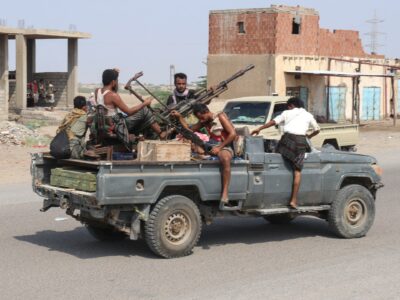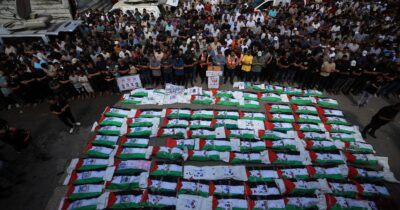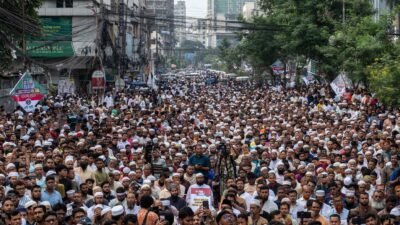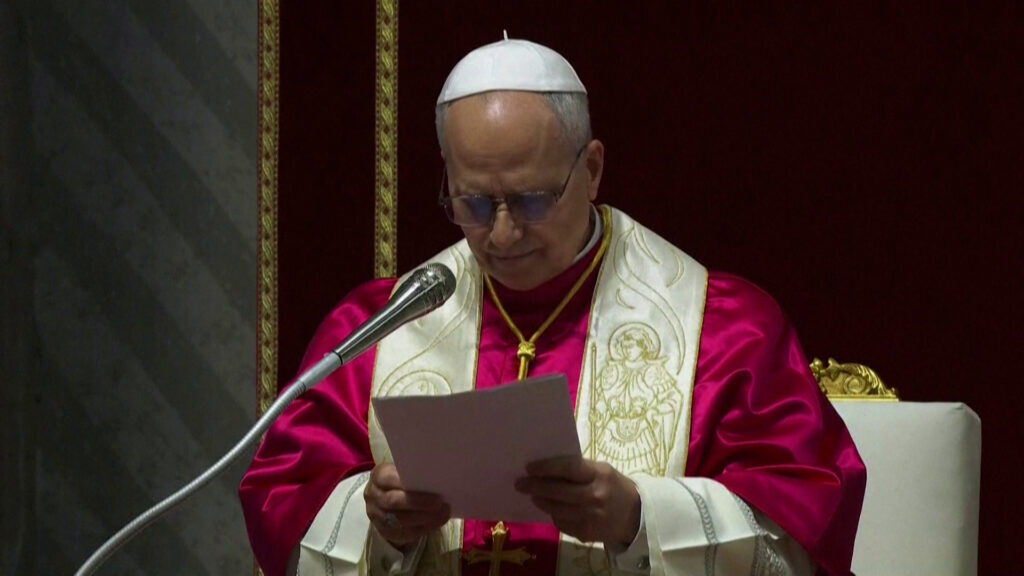
On Saturday, Pope Leo XIV made a heartfelt plea to world leaders, urging them to reject war as a means of resolving conflicts and to instead pursue peace through dialogue and negotiation. In his address, the Pope emphasized the devastating consequences of war on humanity, including loss of life, suffering, and the destruction of communities and infrastructure.
Pope Leo highlighted that conflicts often leave deep scars not only on the physical landscape but also on the social and moral fabric of societies. He called upon leaders to recognize their shared responsibility to ensure a future where disputes are settled through peaceful means rather than violence.
“War should never be seen as an option,” Pope Leo declared. “It is our duty as stewards of humanity to choose paths that build bridges and foster understanding rather than division and destruction.”
The Pope’s message resonated strongly amid ongoing global tensions and conflicts in various regions around the world. His plea for peace aligns with long-standing teachings of the Church advocating for the sanctity of human life and the promotion of justice and reconciliation.
In addition to rejecting war, Pope Leo advocated for proactive negotiations, emphasizing the importance of diplomacy, mutual respect, and open communication between nations. He encouraged international bodies and leaders to work collaboratively in addressing root causes of conflicts such as poverty, inequality, and political unrest.
The Pontiff also underscored the role of civil society, religious groups, and individuals in promoting peace and healing divisions. He called on communities worldwide to unite in prayers and actions that support peacebuilding efforts.
“Peace is not merely the absence of conflict but the presence of justice, love, and solidarity,” Pope Leo expressed. “We must cultivate these values in our personal lives and collective endeavors to foster a world where every person can thrive in dignity.”
His message concluded with a call for renewed commitment from all sectors of society to embrace peace as a fundamental goal and practice. The Pope urged that efforts to negotiate and uphold peace be strengthened and sustained.
The international community has widely recognized Pope Leo’s statement as a crucial reminder of the moral imperatives involved in global leadership. Many leaders and organizations responded with statements reaffirming their dedication to peaceful resolutions and cooperation.
In summary, Pope Leo XIV’s call to reject war and negotiate peace is a profound and timely appeal. It challenges leaders and citizens alike to rethink approaches to conflict and champion a future marked by harmony, justice, and respect for human dignity.
As the world continues to face complex geopolitical challenges, such moral guidance serves as a beacon, encouraging unity and the pursuit of peaceful solutions that enhance global stability and the well-being of all peoples.
Pope Leo XIV’s advocacy reflects a vision of a world where dialogue prevails over hostility, fostering an environment conducive to sustainable peace and development. His message stands as a powerful reminder of the enduring human desire for a more just and peaceful world.