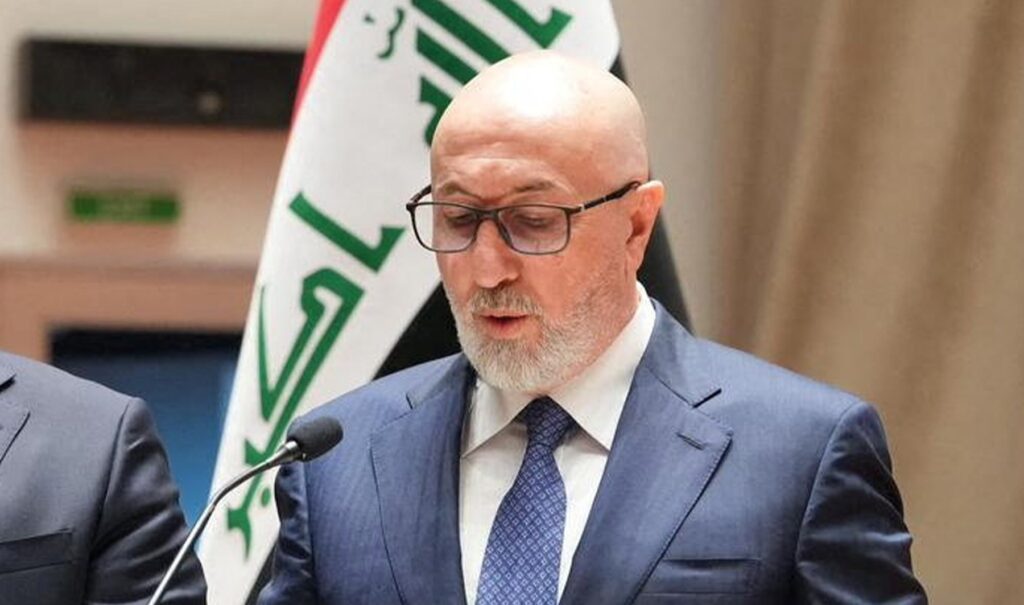
After enduring months of intense political deadlock, Iraq’s parliament has successfully elected Nizar Amedi, a prominent Kurdish politician, as the new president. This pivotal decision marks a significant turning point in the country’s efforts to stabilize its political landscape and advance governance.
The election of Nizar Amedi comes at a crucial time for Iraq, a nation that has faced continuous challenges in forming a cohesive government amid ethnic and sectarian divisions. The prolonged stalemate had hindered progress on key national issues, including security, economic reforms, and reconstruction efforts.
Nizar Amedi is known for his extensive political experience and deep roots within the Kurdish community, one of Iraq’s major ethnic groups. His election is expected to bring a balanced representation to the country’s leadership and foster greater cooperation among Iraq’s diverse political factions.
Key political analysts view Amedi’s presidency as a hopeful sign for Iraq, emphasizing the importance of his role in uniting different parties and promoting inclusive governance. His leadership will be critical in addressing pressing matters such as national reconciliation, combating corruption, and managing Iraq’s rich natural resources.
The Iraqi parliament’s choice demonstrates a renewed commitment to democracy, as members navigated complex negotiations to break the impasse. The decision was met with cautious optimism from various domestic and international stakeholders, who have long called for durable political solutions in Iraq.
As president, Nizar Amedi is expected to work closely with the prime minister and other government officials to steer the country toward stability and growth. His presidency could also catalyze reforms necessary for improving public services and strengthening institutions.
The months-long delay in electing a president had raised concerns about potential power struggles and the impact on Iraq’s development. Now, with Amedi at the helm, there is renewed hope for a more cohesive and effective government.
Iraq’s journey toward political stability remains complex, but the election of Nizar Amedi signifies a positive step forward. Observers are keen to see how his administration will handle the challenges ahead and whether it can deliver on the expectations of the Iraqi people.
In summary, the election of Kurdish politician Nizar Amedi as Iraq’s president after a prolonged deadlock is a landmark event. It reflects the resilience of Iraqi democracy and the nation’s aspiration for unity and progress. The coming months will be critical in determining how this new leadership will shape Iraq’s future.