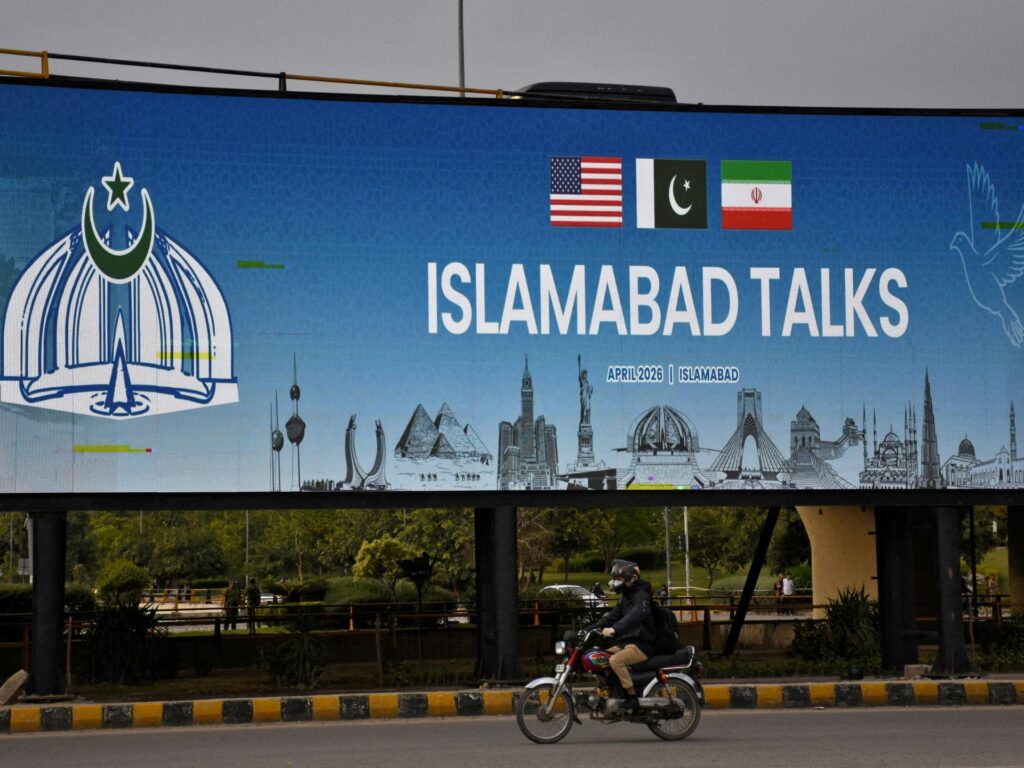
In a significant development in the ongoing Middle East conflicts, US negotiators have arrived in Pakistan to engage in ceasefire talks concerning the war involving Iran. This diplomatic move signals a potential breakthrough aimed at deescalating tensions in the region, where hostilities have been escalating for some time. The arrival of American officials in Pakistan underscores the international community’s commitment to seek peaceful solutions through dialogue.
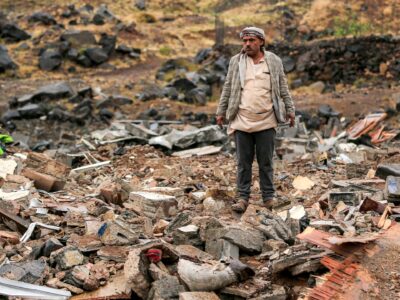
Concurrently, the humanitarian situation in Lebanon worsens as the repercussions of the Israeli military actions since March 2 have taken a heavy toll on civilians. The Lebanese Health Ministry has reported that the death toll from Israeli attacks has now reached 1,953 individuals, with an additional 6,303 people wounded. These figures highlight the devastating impact of the conflict on the Lebanese populace and emphasize the urgent need for ceasefire measures.
The situation in the Middle East remains volatile, with various actors involved in complex and overlapping conflicts. Iran’s involvement in the region, often viewed through the lens of proxy confrontations and direct engagements, has contributed to the instability. The US-led negotiation efforts in Pakistan are seen as a critical step toward achieving a ceasefire that could pave the way for broader peace talks.
Pakistan’s role as a host for this negotiation reflects its strategic position and influence in regional affairs. The country’s engagement is viewed as pivotal in bringing conflicting parties to the negotiation table, offering a neutral ground for discussions.
The Lebanese Health Ministry’s report on casualties provides a somber reminder of the civilian cost of armed conflicts. The high number of wounded also indicates the strain on Lebanon’s medical infrastructure, which is already challenged by ongoing crises.
As the ceasefire talks proceed, the international community watches closely. There is widespread hope that these negotiations will lead to a de-escalation of violence and a cessation of hostilities that have caused widespread devastation.
The broader implications of these developments extend beyond the immediate parties to the conflict. Stability in the Middle East affects global security, energy markets, and diplomatic relations among major world powers.
In summary, the arrival of US negotiators in Pakistan marks an important moment in efforts to end the Iran-related conflict, coming at a time when the human cost in Lebanon continues to rise dramatically. Continued diplomatic engagement, allied with humanitarian efforts, remains essential in striving for peace and stability in this turbulent region.