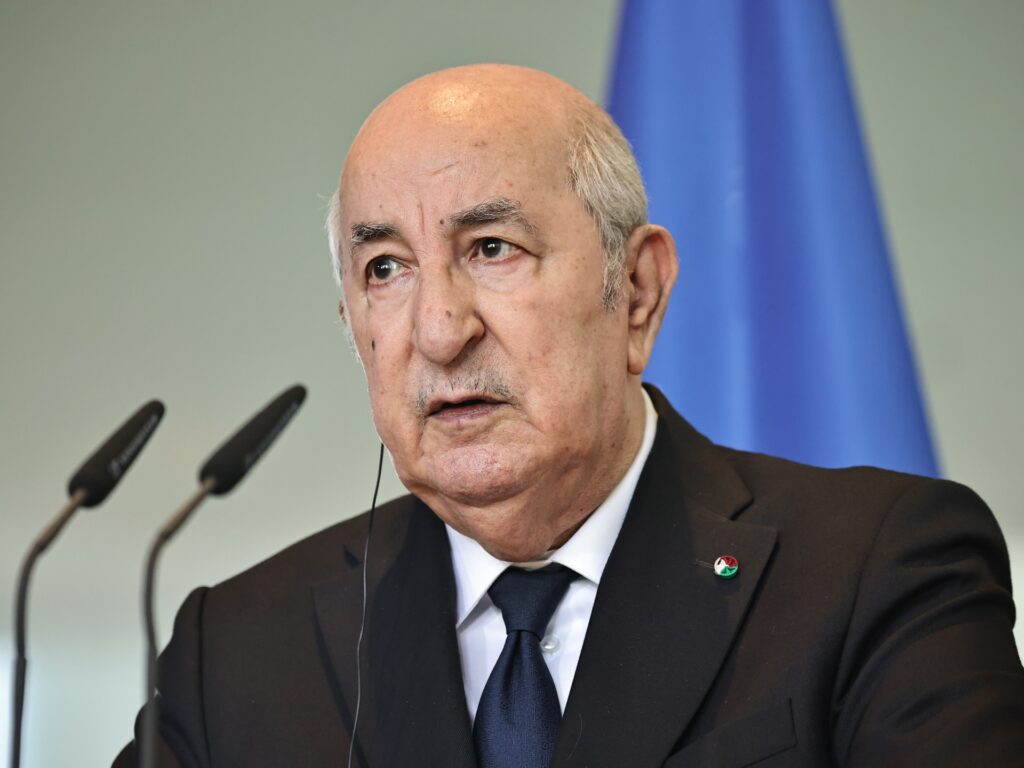
In a significant development highlighting regional security cooperation, Algeria’s parliament upper house has approved the deployment of troops to Niger. This decision was reached following a recent defense pact between the two neighboring countries, underscoring the strengthening of bilateral relations and mutual commitment to security challenges in the region.
The vote, which represents a strategic move by Algeria to support its southern neighbor, reflects growing concerns over security threats, including terrorism and instability, that affect both nations. The defense agreement aims to bolster joint efforts in combating these issues, facilitating better coordination and resource sharing.
Algeria’s deployment will likely include military personnel specialized in counterterrorism and border security, aiming to stabilize affected zones and prevent the spread of extremist activities. This move is part of a broader regional effort, with several West African countries collaborating to enhance security frameworks.
Analysts view this partnership as a positive step toward reinforcing a united front against armed groups operating in the Sahel region. The decision was welcomed by officials in Niger, who emphasize the importance of regional solidarity for sustainable peace.
The parliamentary approval process saw varied discussions, with members highlighting both the strategic benefits and the responsibilities Algeria assumes in this deployment. The government assured that the mission would adhere to strict operational guidelines to ensure effectiveness and safeguard Algerian personnel.
This troop deployment aligns with Algeria’s foreign policy objectives focused on promoting stability in Africa, particularly in its immediate neighborhood. It also reflects Algeria’s role as a key security player in the Sahel, contributing to collective efforts that extend beyond national borders.
The defense pact includes provisions for intelligence sharing, joint training exercises, and coordinated military operations, signaling a comprehensive cooperation framework. Both countries expect this alliance to pave the way for stronger diplomatic and economic ties.
Regional experts note that the collaboration between Algeria and Niger could set a precedent for similar agreements, enhancing multilateral security initiatives across Africa. The shared goal is to foster an environment where economic development and political stability can prosper, reducing the influence of insurgent groups.
Looking ahead, the success of this troop deployment will depend on continuous diplomatic engagement, robust operational execution, and sustained commitment from both nations. It remains a critical step in addressing the complex security landscape of the Sahel and ensuring the safety and prosperity of its peoples.
In conclusion, the Algerian parliament’s upper house vote to deploy troops to Niger marks a milestone in regional defense cooperation. It reflects an adaptive strategy addressing contemporary security challenges while promoting regional unity and resilience against destabilizing forces.