In a significant development in Middle Eastern diplomacy, Israeli Prime Minister Benjamin Netanyahu has extended a call for immediate talks with Lebanon. Netanyahu expressed his government’s readiness to engage in negotiations aimed at disarming Hezbollah and establishing peaceful relations between the two neighboring countries.
This announcement marks a notable shift in Israel’s approach to Lebanon, signaling a willingness to address longstanding tensions through dialogue. Netanyahu emphasized the urgency of these discussions, stating that talks should occur ‘as soon as possible’ to ensure regional stability and security.
The Israeli government’s proposal focuses on two key points: the disarmament of Hezbollah, a powerful Lebanese militant group considered a terrorist organization by Israel and several Western countries, and the pursuit of peaceful diplomatic relations. Netanyahu asserted that disarming Hezbollah is essential for peace, as the group’s military actions have historically posed security threats to Israel.
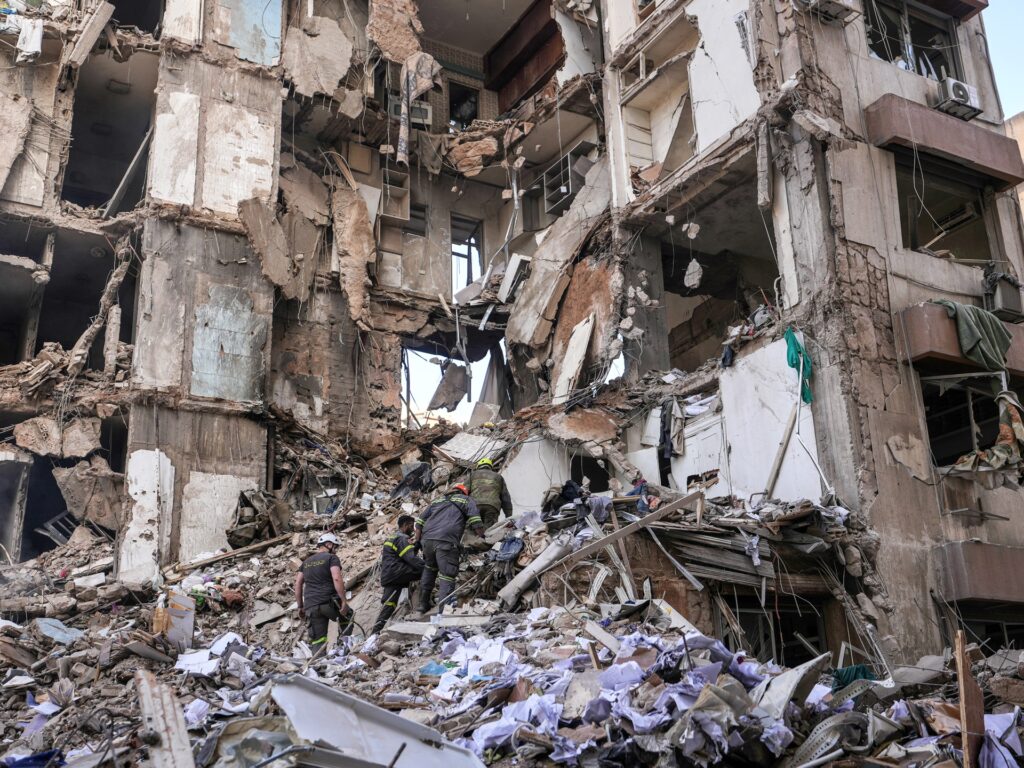
Diplomatic relations between Israel and Lebanon have been fraught with conflict and intermittent hostilities over the years, largely fueled by Hezbollah’s influence and control within Lebanon. This call for talks could represent a strategic move to reduce tensions and create a framework for future cooperation.
Lebanon’s response to Netanyahu’s proposal is awaited with keen interest from the international community. Analysts suggest that successful negotiations could lead to a new era of peace and cooperation in a region often marred by conflict.
Experts also acknowledge the complexity of the situation, noting that Hezbollah maintains significant political and military power in Lebanon, which may complicate the disarmament process. Nevertheless, Netanyahu’s outreach is viewed as a diplomatic opening that could pave the way for constructive dialogue.
The international community, including key players like the United States and European Union, has generally supported efforts to stabilize relations in the Middle East. They have frequently called for peaceful negotiations to address conflicts involving Israel and its neighbors.
If Lebanon accepts this invitation, the upcoming talks would likely address security concerns, border disputes, and mechanisms to ensure sustainable peace. Both countries would need to navigate decades of mistrust and hostility to achieve meaningful progress.
This development also comes amid broader geopolitical shifts in the region, where alliances and enmities are continuously evolving. The move by Netanyahu’s government could be part of a larger strategy to strengthen Israel’s security environment through diplomatic engagement.
In conclusion, Israeli Prime Minister Benjamin Netanyahu’s call for talks with Lebanon represents a hopeful step towards resolving long-standing issues between the two nations. While significant challenges remain, the willingness to engage in dialogue might open the door to a more peaceful and stable Middle East.