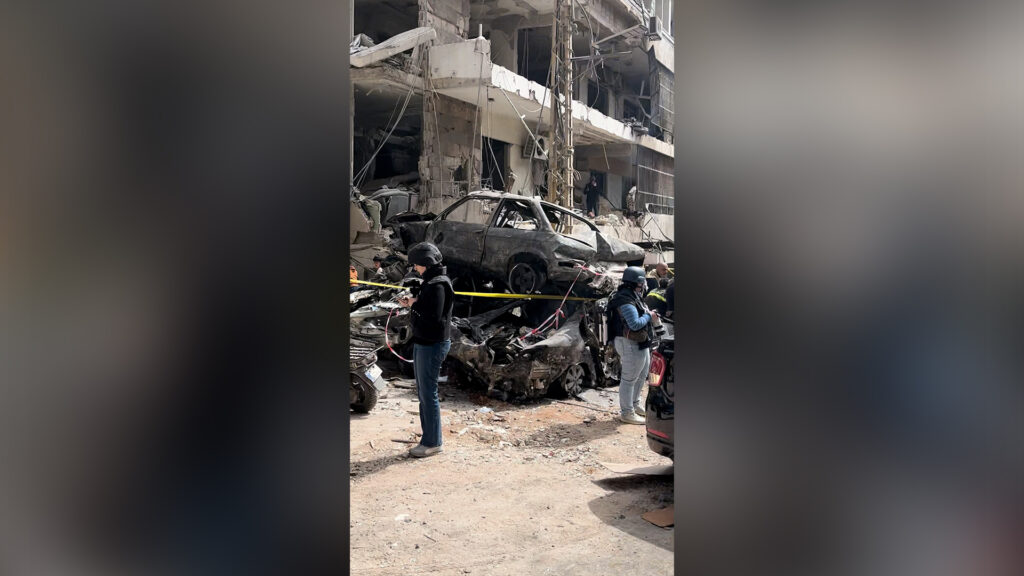
The full extent of the destruction caused by Israel’s devastating strikes on Beirut this Tuesday is now emerging as the smoke begins to clear. Residents and officials have started to assess the damage in the wake of a fierce wave of attacks that has left significant parts of the city heavily scarred. The air raids targeted multiple areas in Beirut, unleashing a series of explosions that shattered buildings, displaced thousands, and caused widespread chaos.
Emergency responders have been working tirelessly to reach affected neighborhoods, helping the injured and evacuating civilians trapped in the rubble. Preliminary reports indicate that residential buildings, commercial centers, and infrastructure have all suffered extensive damage, complicating relief efforts.
Local authorities have expressed grave concern over the destruction and the humanitarian crisis unfolding as a result. Power outages and communication disruptions have further hindered rescue and recovery operations. Hospitals are reportedly overwhelmed with casualties, treating those injured in the airstrikes and providing urgent medical care.
Eyewitness accounts describe scenes of devastation, with smoke billowing into the sky and streets littered with debris. Many families are now homeless, seeking shelter in temporary accommodations or with relatives. The psychological toll on the population is mounting, with trauma from the conflict adding to the physical suffering.
International organizations have called for immediate humanitarian assistance to support Beirut’s residents amid the crisis. Aid agencies are mobilizing resources to provide food, water, medical supplies, and shelter to those affected. Diplomatic channels are reportedly active, seeking to de-escalate tensions and prevent further violence.
The scale of destruction in Beirut marks a significant escalation in the ongoing conflict, highlighting the devastating impact of modern warfare on urban centers. As investigations continue into the strikes, questions arise regarding the targeting decisions and the broader implications for regional stability.
Analysts warn that the physical damage to Beirut’s infrastructure could have long-lasting consequences, affecting the city’s economy and the well-being of its inhabitants. Reconstruction efforts are likely to require substantial international support and coordination.
In the meantime, the people of Beirut face uncertain days ahead, grappling with loss, disruption, and the urgent need for aid. The events of Tuesday serve as a stark reminder of the human cost of conflict and the urgent need for dialogue and peacebuilding measures to prevent further devastation.