Amid escalating tensions in the Middle East, Islamabad has become the unlikely venue for a crucial set of negotiations between the United States and Iran. This rare face-to-face dialogue signals a mutual interest in de-escalation, but the path forward remains fraught with historical mistrust and ongoing regional conflicts.
Key Participants:
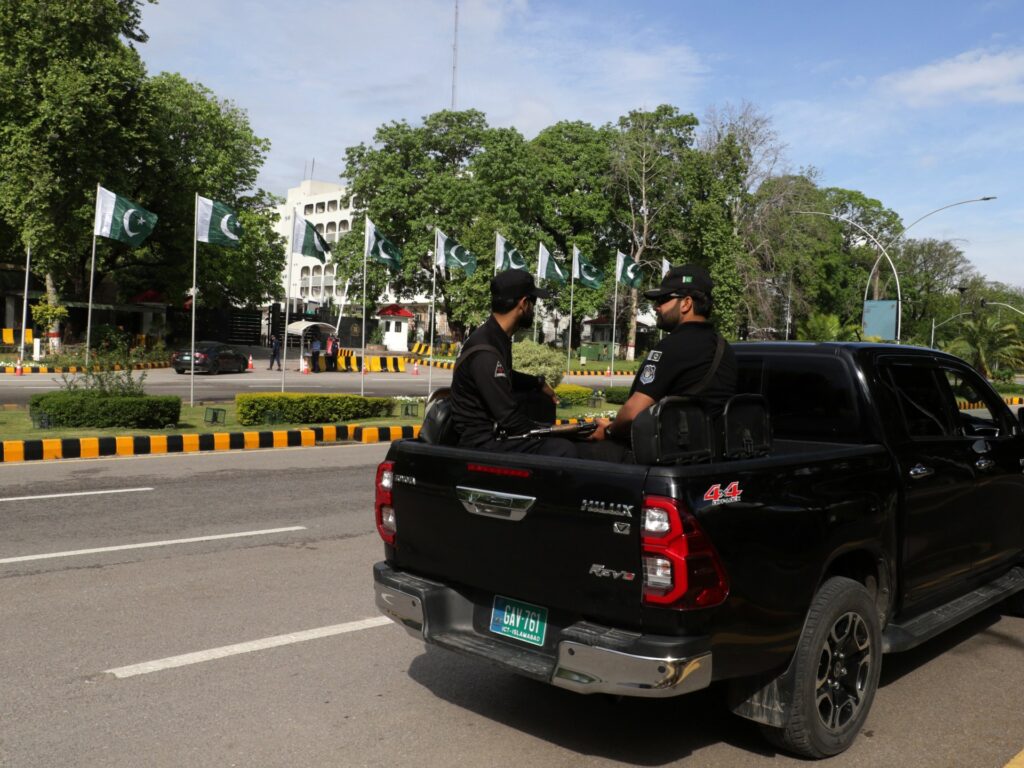
The talks convened at a high diplomatic level include senior officials from both nations. On the US side, representatives from the State Department, National Security Council, and intelligence community are attending. Iran’s delegation comprises senior diplomats from the Ministry of Foreign Affairs alongside advisors closely tied to Iran’s Supreme Leader. Pakistan plays a facilitating role and is hosting the sessions in Islamabad, providing a neutral ground that is acceptable to both.
Agenda Focus:
The discussions are centered on developing an ‘off-ramp’ — a strategic framework aimed at reducing hostilities and preventing further military confrontations. Topics include:
– Nuclear Program Concerns: Addressing US apprehensions about Iran’s nuclear ambitions and exploring pathways for compliance with international agreements.
– Regional Security: Dialogue on key hotspots such as Syria, Yemen, and Iraq, where both countries influence opposing sides in proxy conflicts.
– Economic Sanctions: Potential discussions on sanctions relief contingent on Iran’s commitments to transparency and non-proliferation.
– Diplomatic Normalization: Preliminary talks on re-establishing diplomatic contacts and rebuilding communication channels.
Challenges:
Despite the hopeful tone, deep-rooted mistrust casts a long shadow over the talks. Past negotiations have collapsed amid accusations of bad faith and violations. Regional dynamics, including the influence of Israel and Gulf states wary of Iran’s intentions, further complicate the process. Both parties are under domestic pressures with hardliner factions critical of any concessions.
Pakistan’s Strategic Role:
Islamabad’s hosting of the talks underlines its growing diplomatic significance as a mediator in South Asia and the broader Middle East. Pakistan’s stable relations with both Washington and Tehran position it uniquely to facilitate dialogue, though it must navigate complex regional alignments carefully.
Outlook:
While immediate breakthroughs are unlikely, these negotiations represent a vital step towards easing decades-long hostilities. Continuous engagement and incremental trust-building measures are expected to characterize the process moving forward. The international community watches closely, hopeful that dialogue rather than conflict can shape the future of US-Iran relations.